Goats can be traced back to the earliest cities and high civilizations. Ever since humans have kept animals, they have been part of it. Since there is no evidence for a transition from wild forms to domestic animals, one may assume – against the background of biblical cultural history – that the goat was created already possessing the necessary characteristics of a livestock animal.
As mentioned in the previous chapter, the tribe of the goat-antelopes (Caprini) comprises all species of sheep, goats, and ibexes. Since the boundaries and relationships are often unclear, nothing precise can be said about the origin of goats in the Near East either. Assuming that the forms living there today were domesticated from wild or feral animals, then the bezoar goat (Capra aegagrus aegagrus) would be their closest living relative and ancestor.
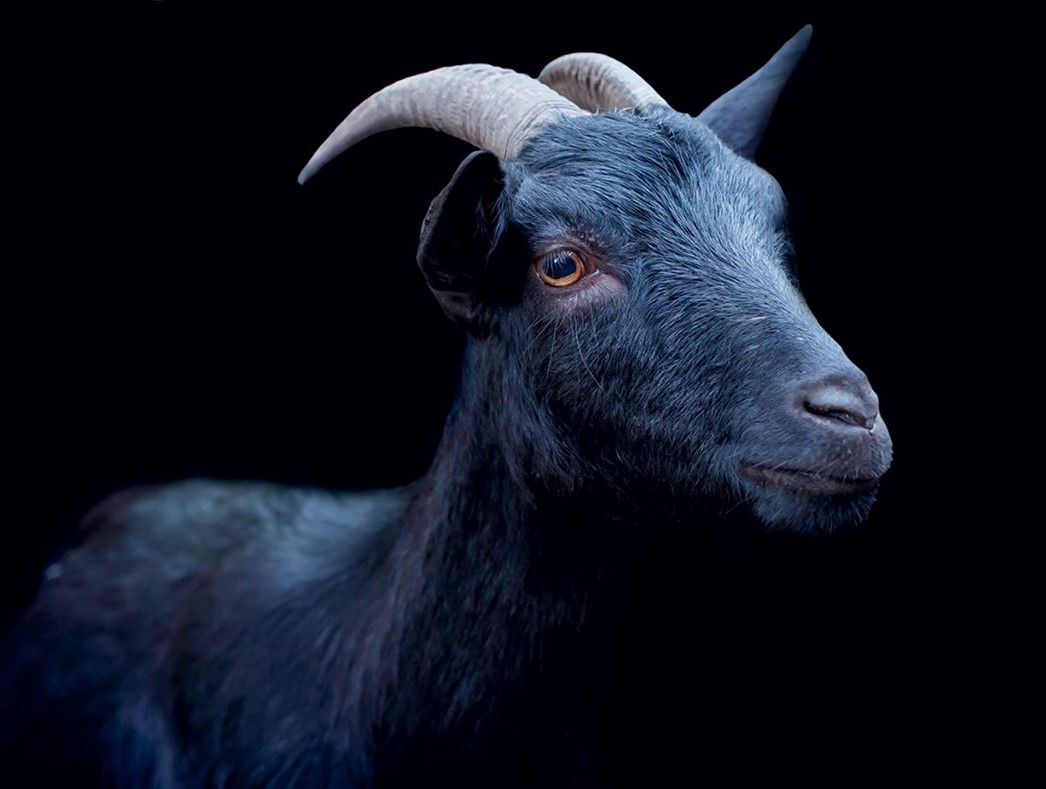
Today’s domestic goat (Capra aegagrus hircus) appears in a diversity of more than 200 breeds. It is hardly possible to reconstruct which breeds were widespread in biblical times. Some historical indications and also Bible passages (Gen 30:32.35; Song 1:5; 4:1) suggest that the animals often had black coats.
As with all livestock, there is a multitude of terms that make finer distinctions. In German, the designations «Ziege» and «Geiß» are used both for the female animals and for the species in general. The adult females in particular are called «Geiß», «Hippe», or «Zicke»; the adult males «Ziegenbock», «Geißbock», or simply «Bock». The young are called «Geißlein», «Zicklein», or «Kitzlein».
In Hebrew, the general designation for the goat, which occurs 70 times, is «ez». Where the context is clear, the word by itself can also denote the skin, tanned leather, or hair of the goat (Ex 25:4; 26:7; 35:6.23.26; 36:14; Num 31:20); otherwise it stands for the goat in general (19x). The combination of «ez» and «sa’ir» («hairy») denotes the adult male animal, the he-goat: «sa’ir-ezzim». When «sa’ir» stands by itself, it is usually translated as «buck» and likewise always refers to the he-goat. Associated with this was also the image of shaggy desert demons (Lev 17:7) or of images of he-goats worshiped as gods (2Chr 11:15). It derives from «se’ar» («hairy», «hirsute»: Gen 25:25; 2Kgs 1:8; Zech 13:4) and occurs as the place name «Seir» (38x) and «Seira» (Judg 3:26). For rams there is another word, which is usually translated «ram» in order to distinguish it more clearly.
In addition, there is the word «tajisch» for the adult he-goat (Gen 30:35; 32:15; 2Chr 17:11; Prov 30:31). The word «attud» (28x) is also used for human leaders (Isa 14:9; Zech 10:3) and, like the combination of «ez» and «za’fir», i.e. «zafir ha-ezzim» (2Chr 29:21; Ez 6:17; Dan 8:5.8), denotes the strong lead bucks. A special expression is «asa’sel», which in context can be translated «he-goat of sending away» (Lev 16:8.10.26). The combination of «ez» with the word «sira» denotes the adult female goat: «se’irat-izzim» (Lev 4:28; 5:6). The combination of «ez» and «gedi» denotes young goats up to the age of one year: «gedi-ez» (9x). It is usually translated «young he-goat», but includes male and female animals alike. When «gedi» stands alone, it can quite generally denote male or female young of goat or sheep. Presumably even very young animals were called this, for in 1Sam 10:3 we encounter a man carrying three young goats. The specifically feminine form is «gedija» (Song 1:8). The combination of «ez» and «bene» denotes «baby goats» before weaning, i.e. up to an age of about six months: «bene-izzim» (2Chr 35:7). The modern technical term for this is «kid lamb» or «milk kid» and likewise denotes male and female animals alike. The term «zon» (247x) denotes «small livestock» in general, i.e. goats and sheep.
In Greek, the words «eriphos» (Mt 25:32; Lk 15:29) and «eriphion» (Mt 25:33) are used to denote goats in general. The word «tragos» (Heb 9:12.13.19; 10:4) denotes the he-goat. «Aigeios derma» (Heb 11:37) denotes goat hide or goatskin leather, and «trichinos» (Rev 6:12: hirsute, made of hair) refers to (black) goat hair.
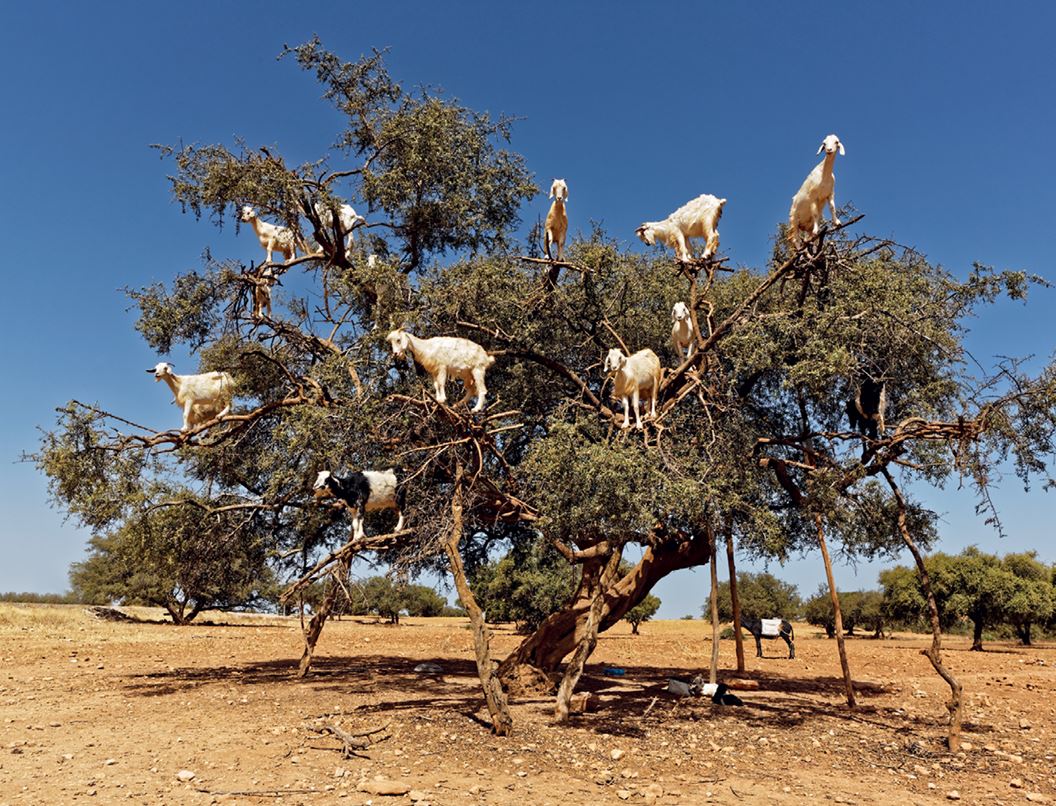
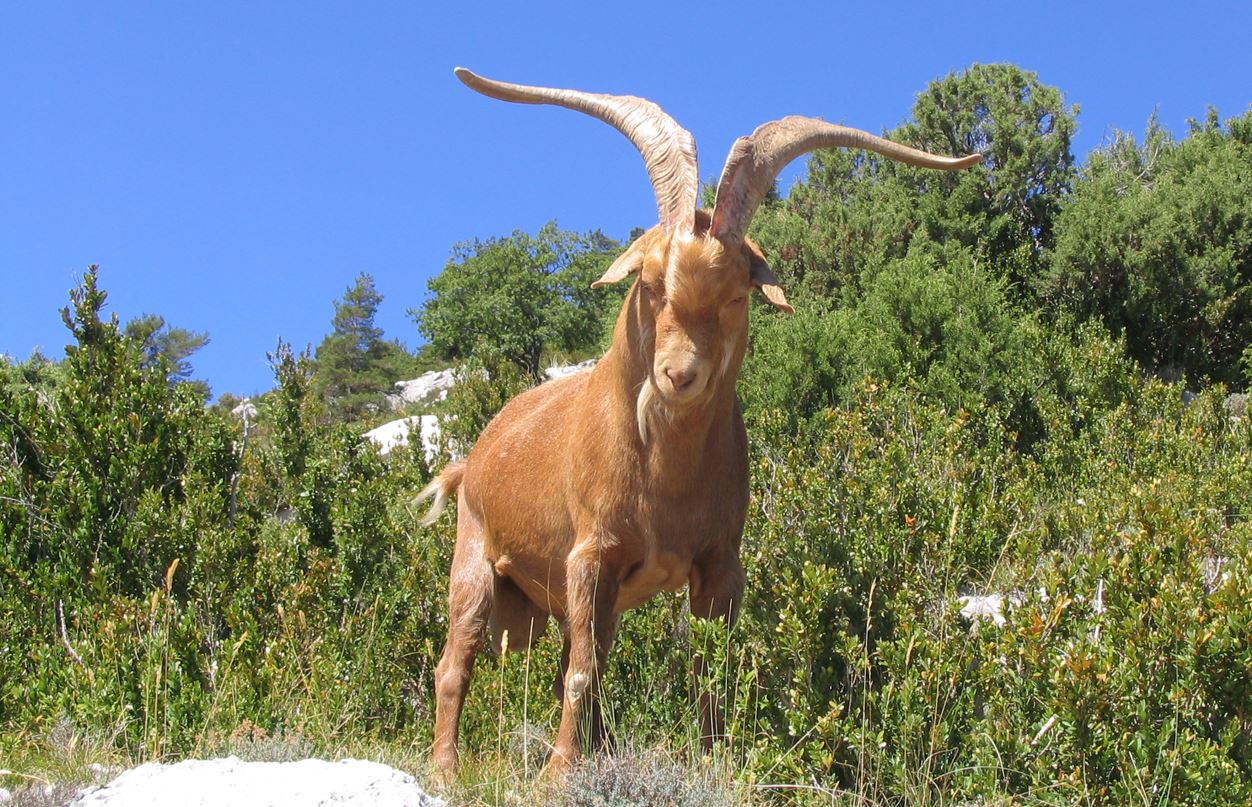
Sheep and goats are often kept in the same flock. While sheep primarily graze grass, goats also nibble shrubs and trees. Even on natural meadows they eat herbs and thorny plants that sheep disdain, and in mountainous regions, with their climbing skills and a pronounced sense of balance, they reach many places that are inaccessible to sheep. In this way, the local food supply is utilized more effectively. In addition, goats have a good sense of orientation. They lead the flock, and the sheep follow. Finally, goats – especially strong lead bucks – are defensive and resolutely protect the flock against predators. This can still be studied well today in the French Provence. There, sheep are kept together with Rove goats. Their bucks reach a shoulder height of about one meter, often weigh more than 100 kg, have a horn span of up to 150 centimeters, and attack any intruder that threatens the flock. The natural observer Solomon describes the he-goat as an animal that has a majestic and determined gait (Prov 30:29.31). This applies especially to lead bucks, which is why they are also used as an image for proud rulers: «all the leaders of the earth» (Isa 14:9) and «I am full of wrath against the shepherds of my people, and I will also call the lead bucks of the flock to account» (Zech 10:3).
That a ram does not have the same fighting qualities as a he-goat can also be seen in this symbolic description, in which the he-goat represents the Macedonian army of Alexander the Great and the ram the Medo-Persian Empire: « suddenly a goat with a prominent horn between its eyes came from the west, crossing the whole earth without touching the ground. It came toward the two-horned ram […] and charged at it in great rage. I saw it attack the ram furiously, striking the ram and shattering its two horns. The ram was powerless to stand against it; the goat knocked it to the ground and trampled on it, and none could rescue the ram from its power.» (Dan 8:6.7).
The genetic closeness of goats and sheep has already been addressed. The multitude of today’s breeds also leads to overlaps in appearance. Some short-coated sheep breeds look confusingly similar to goats. Since they were often kept together and both were widespread throughout ancient Israel, it remains unclear in many places – without further detail – whether the Hebrew word «zon», which is often translated as «small livestock» in German Bibles, means goats, sheep, or both together. It is likely that the goat-antelopes (Caprini) were even a «created basic kind» that included goats, ibexes, and sheep. In that case, the differences in earliest times would have been significantly smaller. At the first mention, «Abel became a shepherd of small livestock» (Gen 4:2), the animals presumably could not yet be classified into today’s scheme at all.
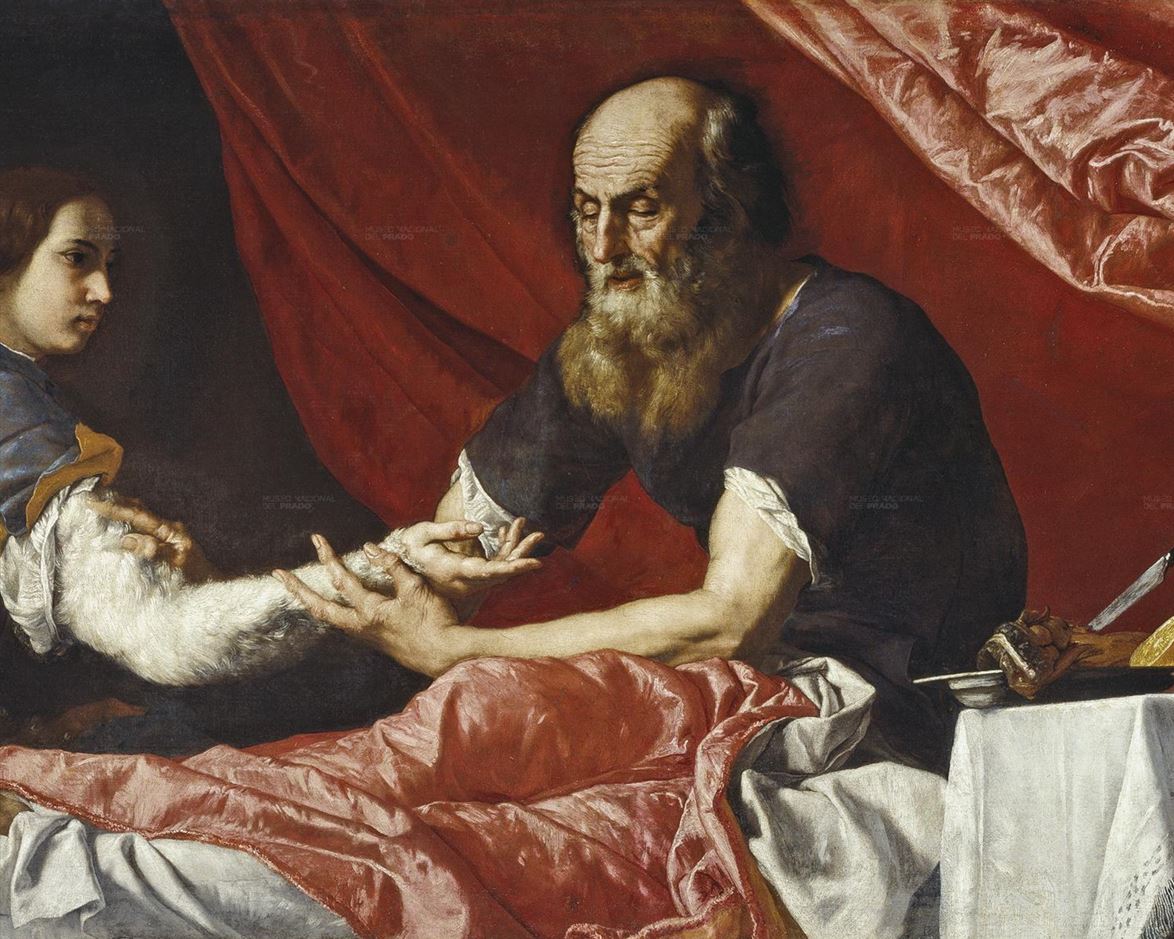
From a biological point of view, Jacob’s approach is remarkable when he tries to increase his own flock of speckled, striped, and spotted animals at the expense of his father-in-law Laban (Gen 30–31). To do so, he places mottled sticks as «visual material» in the watering trough, hoping thereby to influence the coat coloring of the offspring. Although today we do in fact know some epigenetic mechanisms (and suspect many more) through which the living conditions of the parents have a direct influence on physical characteristics of the descendants, Jacob’s attempt is more likely to be classified under «imaginative theory». For example, people once assumed that congenital malformations in children had their cause in certain experiences of the mothers during pregnancy. That is generally conceivable, but that, for instance, a woman who is startled by a leaping hare would therefore give birth to a child with a cleft lip and palate (formerly also called «harelip») is «magical thinking». In «Kallipädie», the «doctrine of begetting beautiful children», people tried to make prenatal influence deliberately useful. One example: In the novel «The Adventures of the Beautiful Chariklea» from the 3rd century, a dark-skinned couple conceives a light-skinned daughter because the mother looks at a white marble statue during conception. These ideas were widespread into the 18th century. Their connection to reality, however, is not scientifically proven and is highly unlikely.
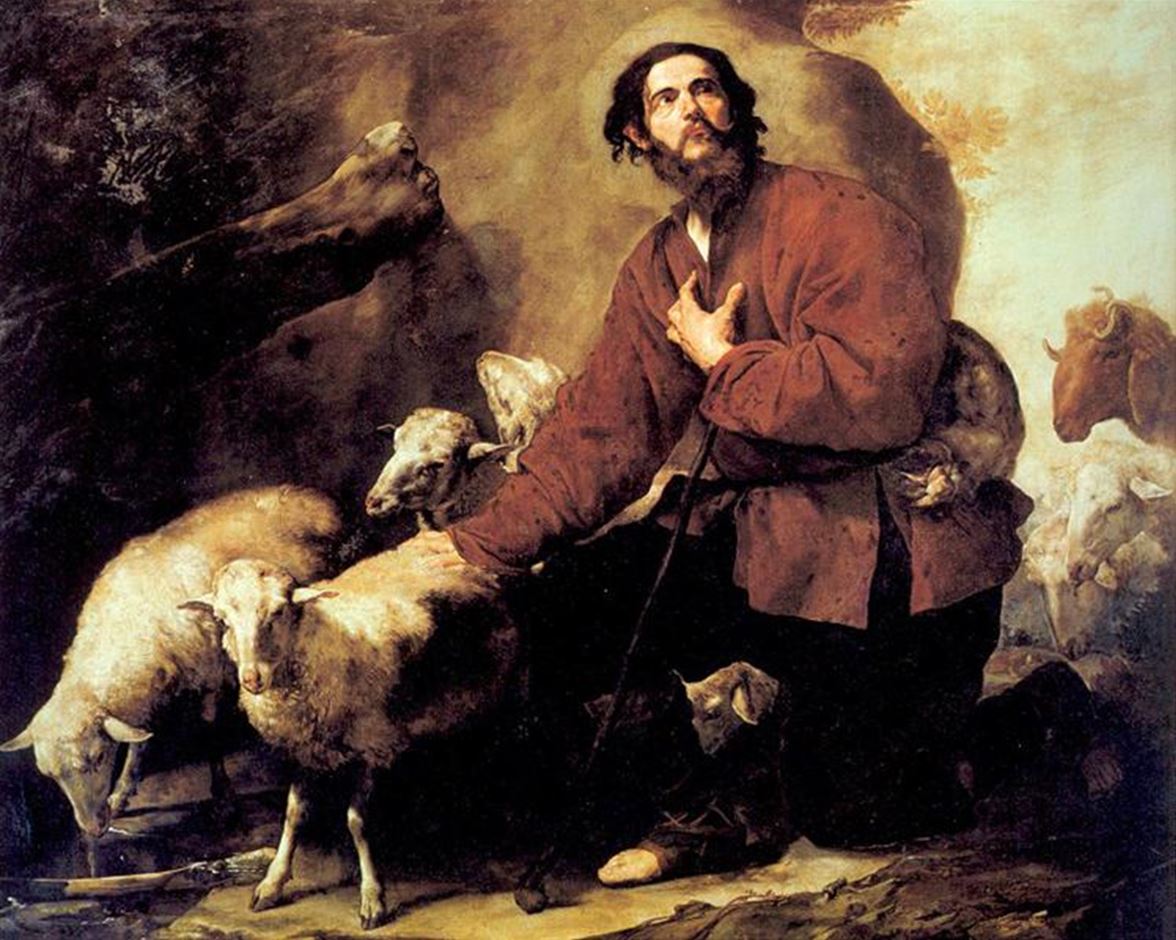
The idea as well that pharmacologically active substances from the peeled rods could have entered the drinking water and had a positive effect (better health, vitality, potency, etc.) on the selected animals is not convincing. Rather, the episode is likely to be understood in this way: Jacob – whose name can also be translated «trickster» – wants, by means of a magical act, to obtain what God had intended for him anyway (a recurring motif in his life). Laban had sorted out all the speckled and spotted animals for Jacob and had them kept, in large «security distance» of three days’ journey, in trust by his sons (Gen 30:35.36). Jacob knew, however, that even in Laban’s “purged” herd there would sometimes be speckled offspring (since many outwardly solid-colored animals also carried the recessive hereditary factors for speckled coats – something Jacob certainly would not have formulated that way). Perhaps one can even understand his dream as a revelation in which God shows him that the most active bucks are mixed-colored (as far as their genotype is concerned). That the mixed-colored ones were also the strongest animals could indeed have had something to do with the breed-typical mosaic of traits. In any case, as one knows Jacob from the narrative, it is not surprising that he brings his fourteen years of herding experience to bear in choosing his wages. Nevertheless, Jacob’s uncle Laban was also a crafty man (Gen 31:41). Even all potential knowledge of genetics would not have helped much if God had not blessed Jacob and kept him from Laban’s fraud. This is expressed in how Jacob speaks with his wives, the two daughters of Laban: « yet your father has cheated me by changing my wages ten times. However, God has not allowed him to harm me. If he said, ‘The speckled ones will be your wages,’ then all the flocks gave birth to speckled young; and if he said, ‘The streaked ones will be your wages,’ then all the flocks bore streaked young» (Gen 31:7.8).
Every animal sacrifice in the Bible is a pointer to the one perfect sacrifice of the Lord Jesus. Their faultlessness symbolizes His innocence and sinlessness. One-year-old animals point to the fact that He was in the midst of life (Lk 3:23; Joh 8:57) when He died as a sacrifice for us. The image of the Passover lamb is more widespread, but the Passover offering could just as well be a goat (Ex 12:5). In the burnt offering (Lev 1:10) and guilt offering (Lev 5:6), the regulations for small livestock did not distinguish between sheep and goat, and likewise in the regular sin offering (Lev 4:28.32) and the peace offering (Lev 3:12) a free choice could be made.
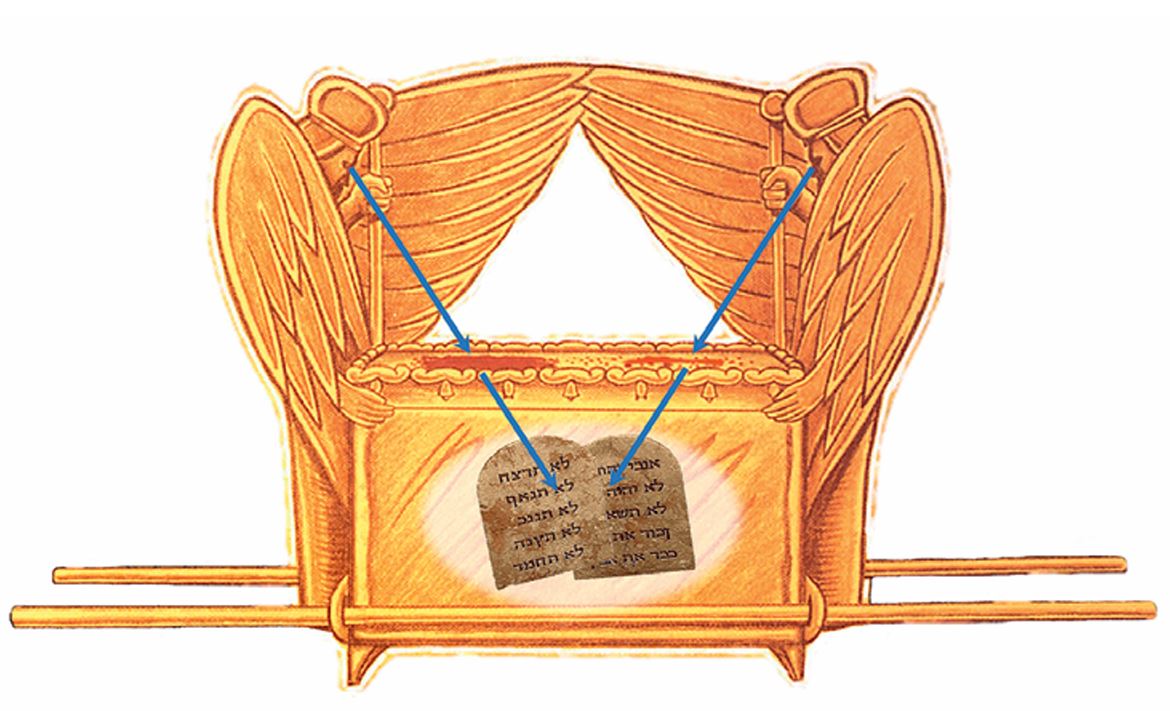
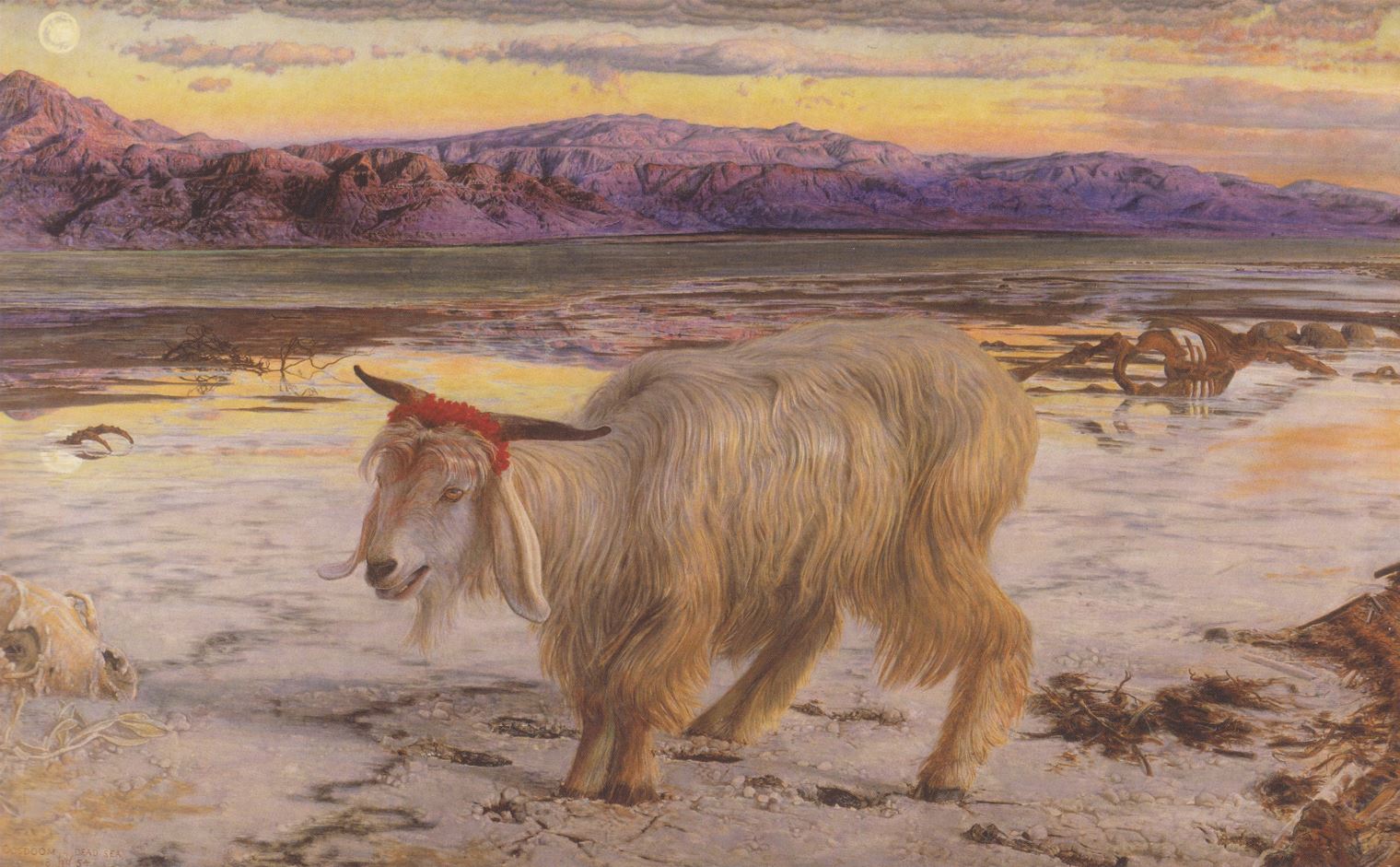
Even if there is a broad agreement here among the different sacrificial animals, each nevertheless has its own emphases. The goat is often connected with sin. On «Yom Kippur», the great Day of Atonement, two he-goats had to be sacrificed in different ways: «He is to cast lots for the two goats—one lot for the Lord and the other for the scapegoat. Aaron shall bring the goat whose lot falls to the Lord and sacrifice it for a sin offering. But the goat chosen by lot as the scapegoat shall be presented alive before the Lord to be used for making atonement by sending it into the wilderness as a scapegoat.» (Lev 16:8–10), «The goat will carry on itself all their sins to a remote place; and the man shall release it in the wilderness» (Lev 16:22). The one buck is symbolically loaded with the accumulated sins of the people for an entire year and driven into the wilderness as the «scapegoat». It carries the sins away like our Lord Jesus (Isa 43:25; Jer 31:34). The other buck is slaughtered, and its blood is sprinkled on the lid of the ark of the covenant to cover the sins of the people symbolically, just as Jesus’ blood covers our sins (Rom 4:7). The sin offering for a prince, who bore more responsibility than an «ordinary citizen», was permitted to be only a he-goat (Lev 4:23), and in other offerings as well (vgl. Num 7.29; Ezek 43.45) only the he-goat is prescribed as a sin offering.
It is no accident that he-goats are associated with demons in various cultures and in the Bible (2Chr 11:15; Isa 13:21; 34:14), and in one place are directly called that: «So they shall no more sacrifice their sacrifices to goat demons» (Lev 17:7 ESV). Sculptures and images in which Satan is depicted visually show him already in early Christian times with the typical features of a he-goat (hooves, horns, and pointed beard). In the New Testament as well, in an «end-times discourse», the Lord Jesus uses goats as symbols for sinners, to whom He must say: «Depart from me, you who are cursed, into the eternal fire prepared for the devil and his angels» (Mt 25:41). In a direct comparison, one might perhaps describe it like this: in the woolly, white, tame, compliant, patient, and dependent sheep, the aspect of purity, innocence, defenselessness, and devotion symbolically stands in the foreground. They show the Lord Jesus as the perfect and sinless sacrifice before He was laden with foreign guilt. The shaggy, black, independent, stubborn, and wilder goats, by contrast, emphasize the moment of sacrifice when the sacrificial animal already bears guilt and sin and must suffer a righteous judgment for it – just as the Lord Jesus suffered it in the three hours of darkness on the cross. The determination, strength, and resilience with which He endured the sufferings are better represented by a he-goat than by a lamb. Similar is the symbol of the bronze serpent (Num 21:8; Joh 3:14), which likewise indicates that on the cross at Golgotha the sin of the world lay upon the sacrifice that hung there and was judged in Him: «Him who knew no sin he made to be sin on our behalf; that we might become the righteousness of God in him.» (2Cor 5:21).
This symbolism may seem to devalue the goat compared to the sheep, but it has nothing to do with a lower rank or with biological and economic «value». On the contrary: goats, at almost 50% of body weight, have a higher meat yield than sheep and produce more milk. They are more curious, more intelligent, less demanding, and have a stronger immune system. They also adapt more quickly to different feed supplies and changing environmental conditions, survive natural disasters such as droughts, steppe fires, and floods far better, do not panic as quickly, and do not get lost as easily. Where goats and sheep are listed together in the Bible, the numbers recorded show more sheep (1Sam 25:2; Ez 6:17; 8:35), which indicates a higher market value for goats. In ancient Rome, tribute lists show that sheep and goat meat were traded as equivalent.
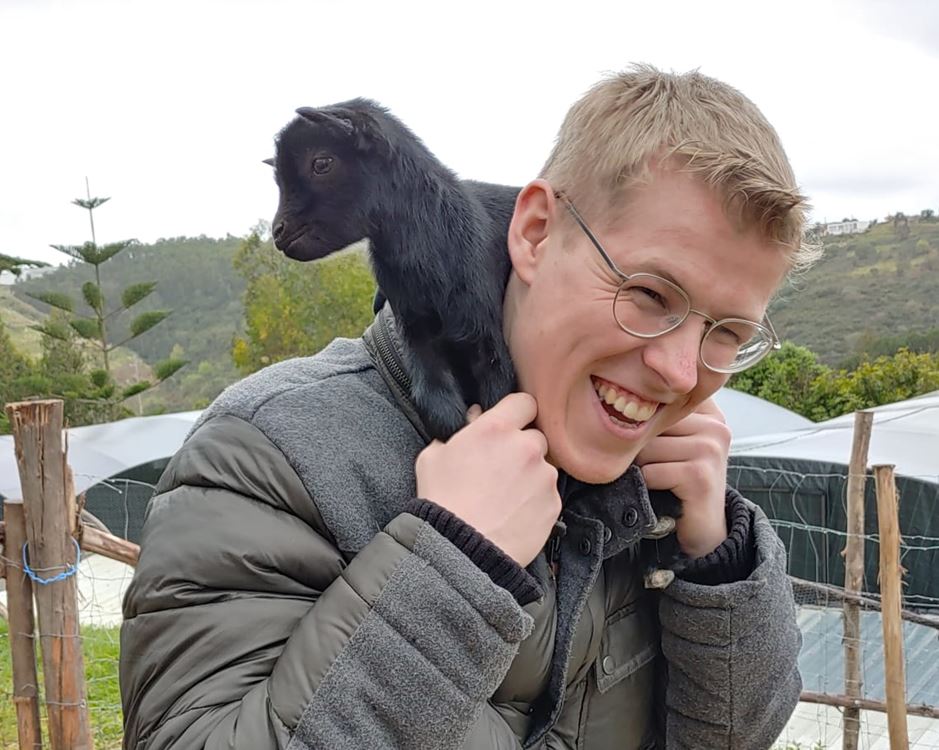
Today there are about one billion goats on earth, and geographically speaking they are the most widely distributed livestock animals worldwide. They can be kept both in mountains and in steppes, semi-deserts, forest landscapes, jungle regions, and wetlands, and they also move safely in extremely rough terrain. Because of their enormous adaptability, they were often taken aboard sailing ships as provisions during the age of exploration. Through feralization (or unintentionally, because goats are skillful escape artists!), many islands were colonized by them, and time and again it became clear that they can survive and successfully establish themselves even under these completely alien conditions. Only in cold regions do sheep have an advantage.
Goats usually give birth to twins. The ratio between male and female offspring is naturally (as with almost all animals) 50:50. Herds function best, however, when there are only relatively few adult bucks among them. In Gen 32:15 we find, for both goats and sheep, a ratio of 1:10 – i.e. one buck to ten females. From this one can conclude that the young bucks were mostly slaughtered already as juveniles. That is still common practice today, because the meat of he-goats develops a strong taste and smell after sexual maturity. In addition, only the females give milk and are therefore more profitable for that reason alone.
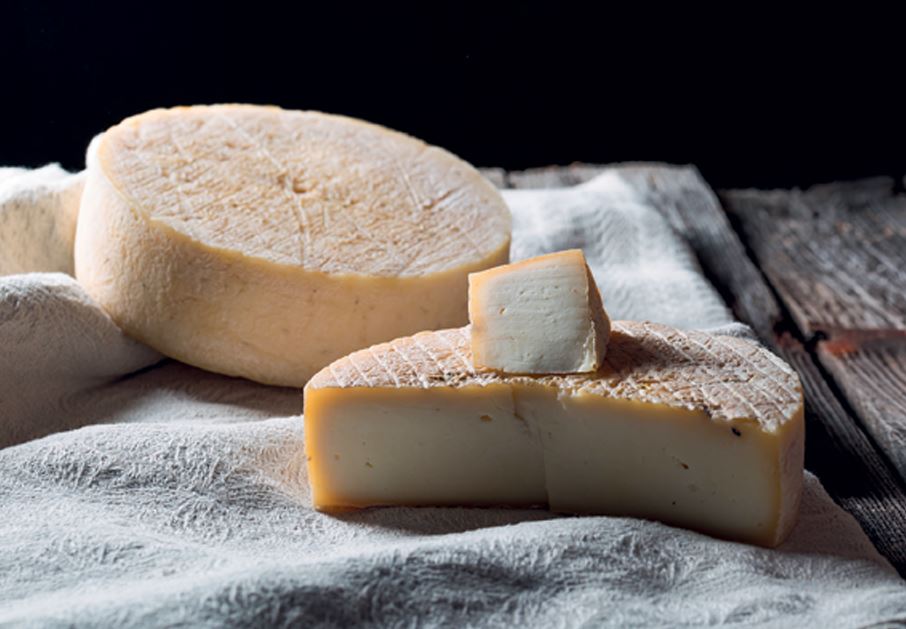
In the Near East, goat keeping was an important economic factor. They played an important role as milk producers. Although the Bible usually does not distinguish from which animal the milk comes, and goat milk as such is mentioned in only one verse (Prov 27:27), we learn from other sources that together with cow’s milk it made up the main share. Today, due to extensively expanded dairy cattle farming, only 2% of global milk production (still 20 million tons) comes from goats. Regional differences, however, are large. While the average per-capita consumption of goat milk worldwide is only 2.6 liters, in a typical goat paradise such as Greece it is still 45 liters per person per year even today.
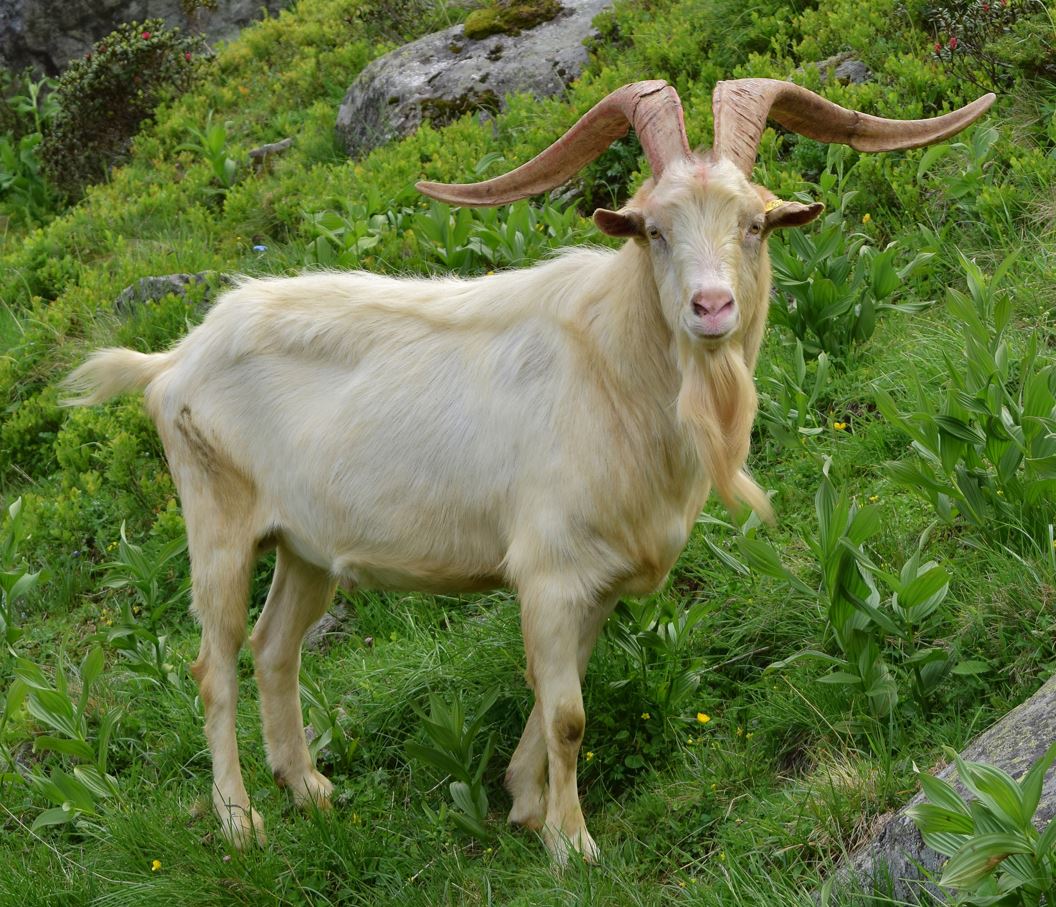
Average milk yield per animal depends very strongly on breed and nutritional conditions. The Saanen goat is considered today to be the most successful goat breed in the world and has a very good milk performance. But while these animals today, in free-range keeping in dry Israel, produce 310 liters of milk per year, in the Netherlands – where the grass is green and juicy all year – this rises to over 800 liters of milk per year.
Because of large-scale cattle farming and intensive pig fattening, goat meat plays virtually no role in today’s world trade. Although 440 million animals are slaughtered every year, the meat is sold predominantly in local trade. In biblical times, however, goats were the most important suppliers of meat.
Sources:
Galik, A; Forstenpointner, G; Zohmann, S: Die Tierreste aus dem Schachtbrunnen und der Nische des Präfurniums. ISBN 2010; https://www.academia.edu/89801563/Die_Tierreste_aus_dem_Schachtbrunnen
Lacey, P: Jacob’s Odd “Breeding Program” of Genesis 30. Answers in Depth 2019; Vol. 13; https://answersingenesis.org/genetics/animal-genetics/jacobs-odd-breeding-program-genesis-30
Malich, L: Die Gefühle der Schwangeren: Eine Geschichte somatischer Emotionalität (1780-2010) (p. 94-104). Bielefeld (transcript) 2017
Pal, M; Dudhrejiya, P; Pinto, S: Goat Milk Products and their significance. Beverage & Food World 2027; 44(7)21-25
Raoult, CMC; Osthaus, B; Hildebrand, ACG: Goats show higher behavioural flexibility than sheep in a spatial detour task. Royal Society Open Science 2021; 8:201627; doi: 10.1098/rsos.201627
Schorch, S: A Young Goat in Its Mother’s Milk”? Understanding an Ancient Prohibition. Vetus Testamentum 2010; 60:116-130; https://www.academia.edu/4050980/A_Young_Goat_in_Its_Mothers_Milk_Understanding_an_Ancient_Prohibition_2010
Skapetas, B; Bampidis, V: Goat production in the World: present situation and trends. Livestock Research for Rural Development 2016; 28(11)1-6; https://www.lrrd.org/lrrd28/11/skap28200.html
XiaoYan, Q; YiKe, C; Xiong, X: The difference between White Cashmere goats and Merino sheep in cognitive abilities for visual and spatial discriminations. Acta Veterinaria et Zootechnica Sinica 2018; 49(11):2384-2393; http://www.xml-data.org/XMSYXB
Image Credits:
Wikipedia: buck of the Rove goat / Dirk Beyer // Isaac blesses Jacob / /ribera-jose-de // Isaac and the speckled ones / ribera-jose-de // painting of the scapegoat / William Holman Hunt // Saanen billy goat / Haeferl
other licenses: goat with black coat / shutterstock ID_422651308 / CUTWORLD // goats on argan tree / shutterstock ID_309912197 / Yavuz Sariyildiz // goat cheese / shutterstock ID_288113450 / Milosz_G