The sheep is by far the most frequently mentioned animal in the Bible and appears in some way in more than 500 verses. No other animal has a more important symbolic significance. Whether as a sacrificial animal – emphasizing purity, innocence, and defenselessness – or as an image of fallen humanity in its dependence, disorientation, and lostness, it plays an important role in many sections of the Old and New Testaments. Connected with this are further images, such as the «flock» as a symbol of God’s people and the «good shepherd» as a metaphor for human leaders who guide on God’s behalf, and for God Himself – the «good shepherd».
In the tribe of the goat-antelopes (Caprini), all species of sheep, goats, and ibex are grouped together, so that nothing certain can be said about the exact relationships and origins of sheep in the Near East. If the forms living there today had been domesticated from wild or feral animals, the mouflon (Ovis gmelini musimon) would be their closest living relative and ancestor.
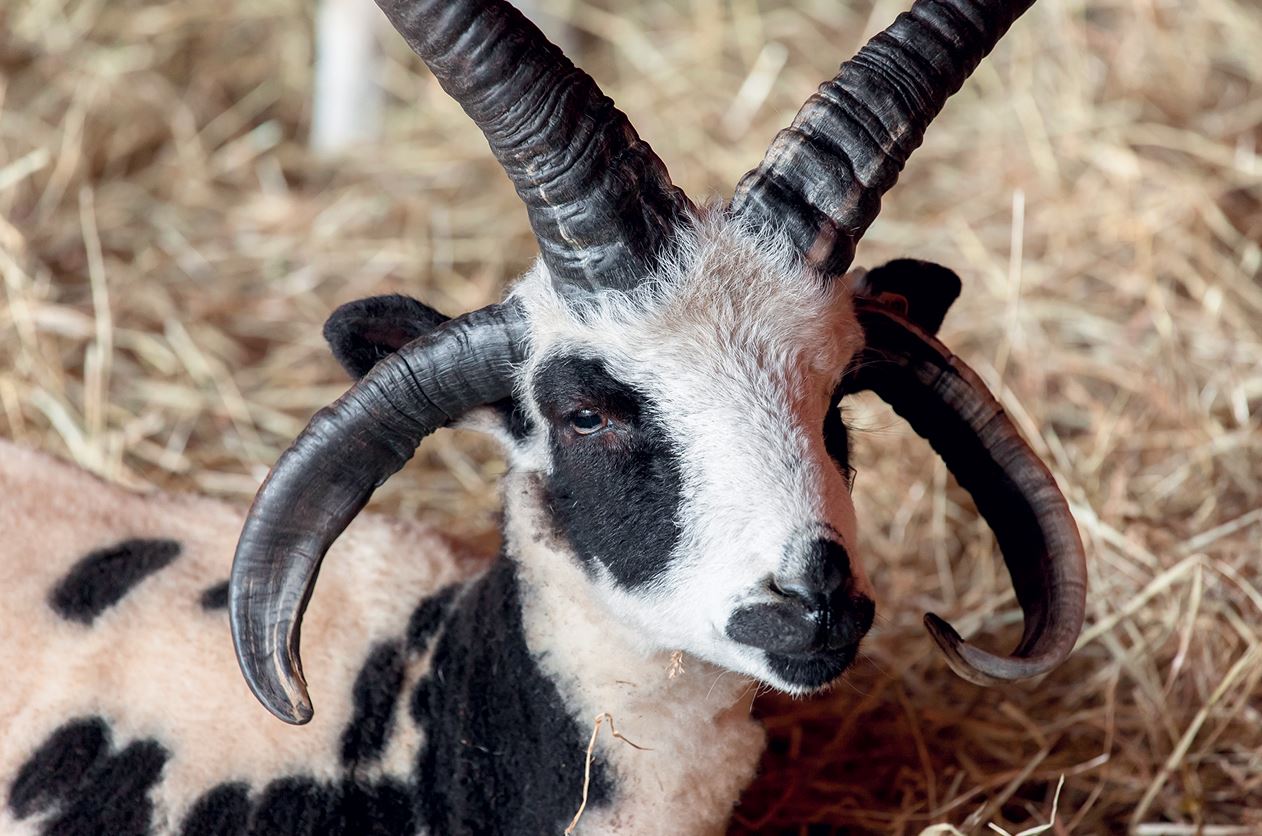
The modern domestic sheep (Ovis gmelini aries) occurs in a great variety of breeding forms. The DAD-IS (Domestic Animal Diversity Information System) currently lists 93 main breeds. It is hardly possible to reconstruct which breeds were widespread in biblical times. With considerable certainty, Jacob sheep (or four-horned sheep) were among them. There is a direct biblical indication that fat-tailed sheep were kept. Their conspicuously thickened rump appendage stores up to ten kilograms of fat and thus fulfils a function similar to the humps of camels. It is mentioned in the Bible and is called alja (Ex 29:22; Lev 3:9; 7:3; 8:25; 9:19).
As with the goats in the previous chapter, there is also a multitude of different terms for sheep. In German, «Schaf» refers both to the species in general and to the female (mother) animal older than one year (archaic also: Au, Aue, Zibbe). The male animal is called a ram. «Hammel» are castrated rams. They do not occur in the Bible, because the castration of animals was not practiced in Jewish culture. The young of both sexes up to one year old are called «lamb». Precisely one-year-old sacrificial animals could therefore be called either «lamb» or «sheep», as can be seen from the «free quotation» of Isaiah 53:7–8 according to the Greek LXX in Acts 8:32. Before weaning, up to an age of half a year, the young are called «milk lamb». The Hebrew words se (36x) and keseb (13x) are general terms for a sheep. However, the term zon, which generally means small livestock – sheep and goats – is also translated «sheep» when the context suggests it. In some of these verses the goats are mentioned separately, which makes the assignment clear.
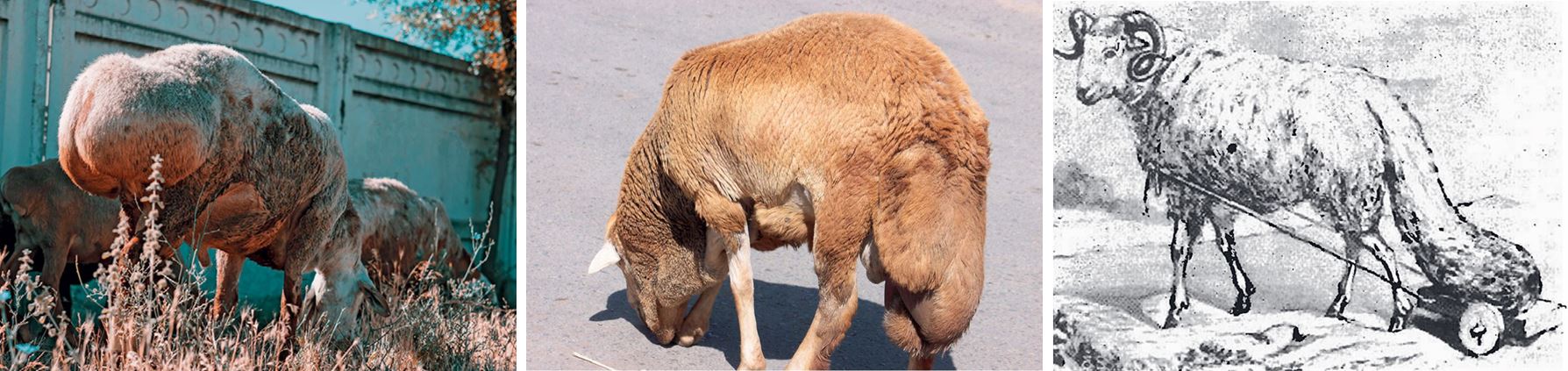
A special word for ewes is rachel (Gen 31:38; 32:15; Song 6:6; Isa 53:7), corresponding to the woman’s name Rachel (45x). The ram is referred to as ajil (135x). Even if rams are not as aggressive and combative as male goats, their designation is also transferred to human «leaders»: «and he took the mighty ones of the land» (Ezek 17:13) and «the mighty men of Moab – trembling seized them» (Ex 15:15). The word derives from a root expressing steadfastness. It is therefore not surprising that in 17 verses it denotes a «pillar». The Aramaic word for ram is dekar (Ez 6:9, 17; 7:17). The lambs, which played a special role as sacrificial animals, are designated by the Hebrew kebes (99x) and the Aramaic immar (Ez 6:9, 17; 7:17). Even the term «milk lamb» has an exact Hebrew equivalent: tale chalab (1Sam 7:9). For fattened sheep kept primarily for meat production there was the term kar (9x), which is also found in the place name Beth-car (house of slaughter sheep, 1Sam 7:11) and in combinations such as zon tibcha (sheep for slaughter, Ps 44:23) and zon ma’akal (sheep for food, Ps 44:12).
The expression from Psalm 44:23 is quoted in the NT to describe the sufferings of believers: «For your sake we are being put to death all day long; we were considered as sheep to be slaughtered» (Rom 8:36). Here the Greek expression probata sphages refers to sheep for slaughter. In Greek, probaton (37x) is the general term for sheep, while amnos (John 1:29, 36; Acts 8:32; 1Pet 1:19) and aren (Luke 10:3) denote lambs. John sets a special emphasis when, in Revelation, he always chooses the diminutive form arnion (28x), which refers to very young lambs. In this way he underscores the innocence, purity, and defenselessness of the Lord Jesus as the Lamb «as though it had been slain» (Rev 5:6) and creates a strong contrast to the image of the lion, which expresses violence and dominion.
No animal is described in the Bible as more vulnerable and helpless than sheep. Without the shepherd’s care they soon lie «harassed and helpless» (Mt 9:36). They go astray, get lost, and cannot find their way home on their own (Isa 53:6; Ezek 34:4–6; Mt 10:6; 15:24; 18:12–13; Lk 15:4, 6; 1Pet 2:25). They fall into a pit (Mt 12:11) or into a well (Lk 14:5). Predators drive the flock away and scatter it (Ezek 34:4, 16; Mic 4:6; Mt 26:31; Mk 14:27). Individual animals injure themselves while fleeing and limp (Mic 4:6; Zeph 3:19), are stolen (1Sam 17:34; Amos 3:12; Joh 10:12), perish (Zech 11:16), or are trampled and torn to pieces (Mic 5:7). In most breeds the rams do have considerable horns, but when a wild animal approaches, they make sure to get away, and the whole flock runs off in panic. Because they run only slowly, have little endurance, and cannot climb, jump, or hide, sheep are easy prey; hardly any animal is more defenselessly exposed to its hunters.
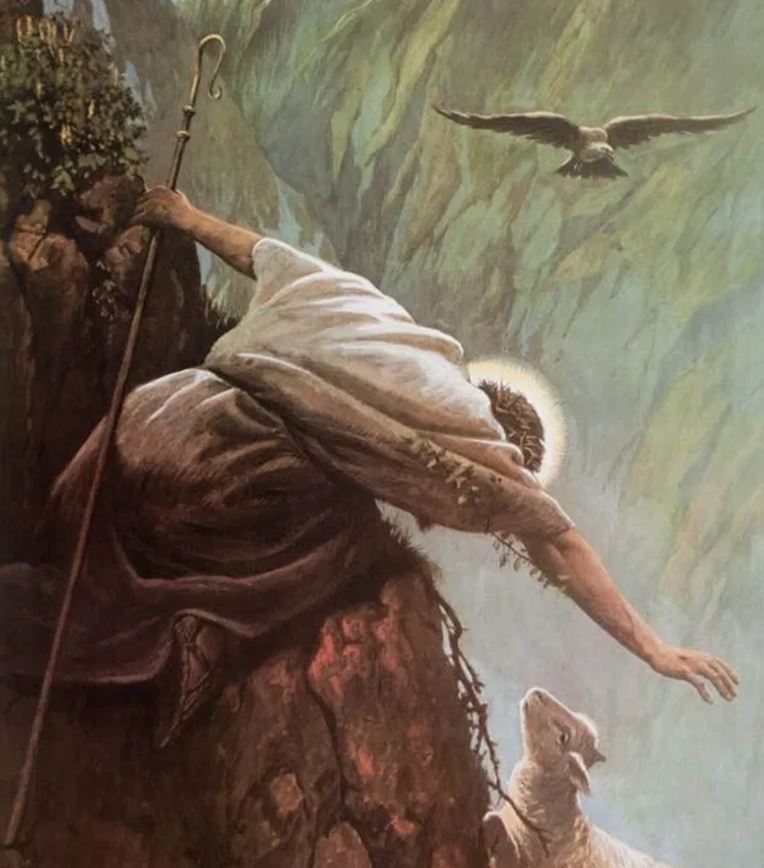
In addition, sheep are susceptible to parasites and diseases (Mal 1:8, 13) and sensitive to poisonous plants, which they do not recognize as a danger. Since rams among sheep are not as dominant as among goats, the lead animal of a flock is often not a ram but an experienced ewe. Rank differences become apparent in competition for desirable places. And even if the hierarchy within the group – the «pecking order» – is not very pronounced, the flock often does not settle down until the shepherd is there. Highly bred wool sheep must be shorn regularly; some sheep also need human help during birth and cannot «lamb» independently. It is not only their lack of orientation, defenselessness, and helplessness, but also traits such as flock instinct, stubbornness, obstinacy, timidity, and a tendency toward irrational behavior that make sheep an image of humans without guidance. Sheep are therefore inseparably linked with the person of the shepherd.
There are many situations in which a sheep depends on the shepherd’s help. This culminates in the fact that a sheep that has rolled or fallen onto its back is often unable to get back onto its feet by itself. The other animals in the flock do not realize the predicament and do not come to help. In this awkward position the «stranded» sheep becomes easy prey even for smaller birds of prey. In addition, the rumen bloats and presses on the heart, lungs, and blood vessels, and if the animal is pregnant, the pressure of the uterus is added. Circulation and breathing are weakened to such an extent that the animal often dies within a few hours. There is probably no other example in creation of an animal suddenly putting itself in mortal danger in an absolutely peaceful environment like the poor sheep lying on the level, green meadow, stretching all four legs up to the sky – and needing to be turned back over so it will not die.
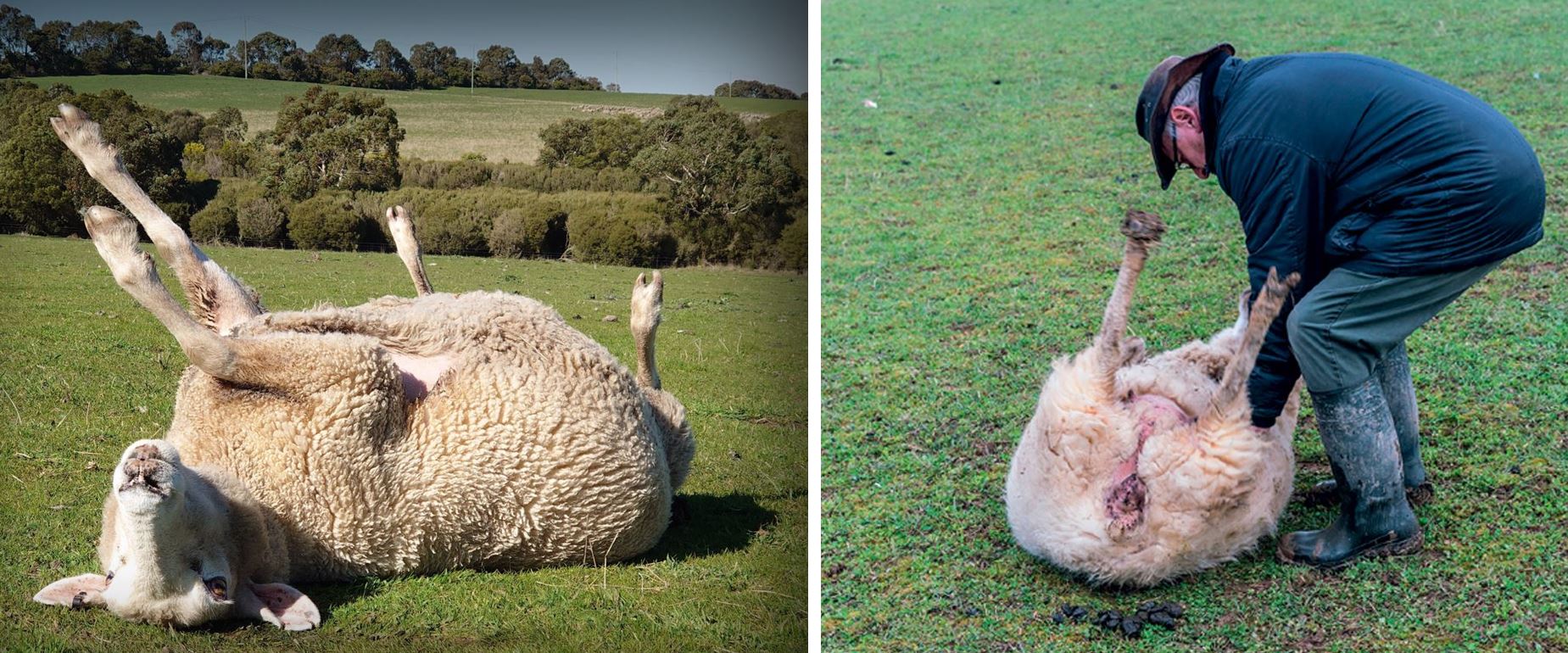
Certain circumstances increase the risk that a sheep will unexpectedly end up on its back. This happens more often to pregnant sheep, since they mostly carry twins and thus are heavier and rounder. Moreover, in wool breeds, animals with a particularly dense and heavy fleece, and in «meat breeds» very well-fed and fat animals are more at risk. In other words, it is the most fertile, most productive, and visibly blessed animals that are most in danger of suddenly lying on their backs in an apparently safe environment. This recalls the biblical warning: «Therefore let anyone who thinks that he stands take heed lest he fall» (1Cor 10:12).
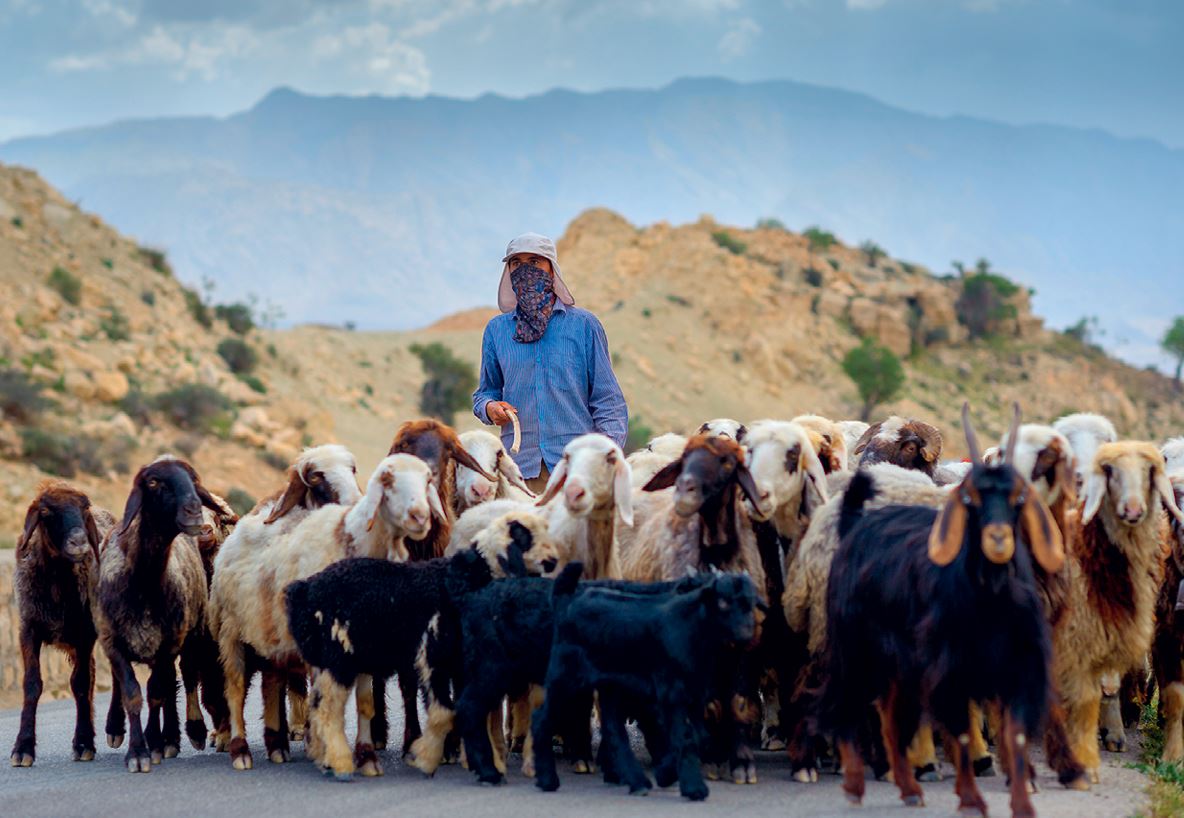
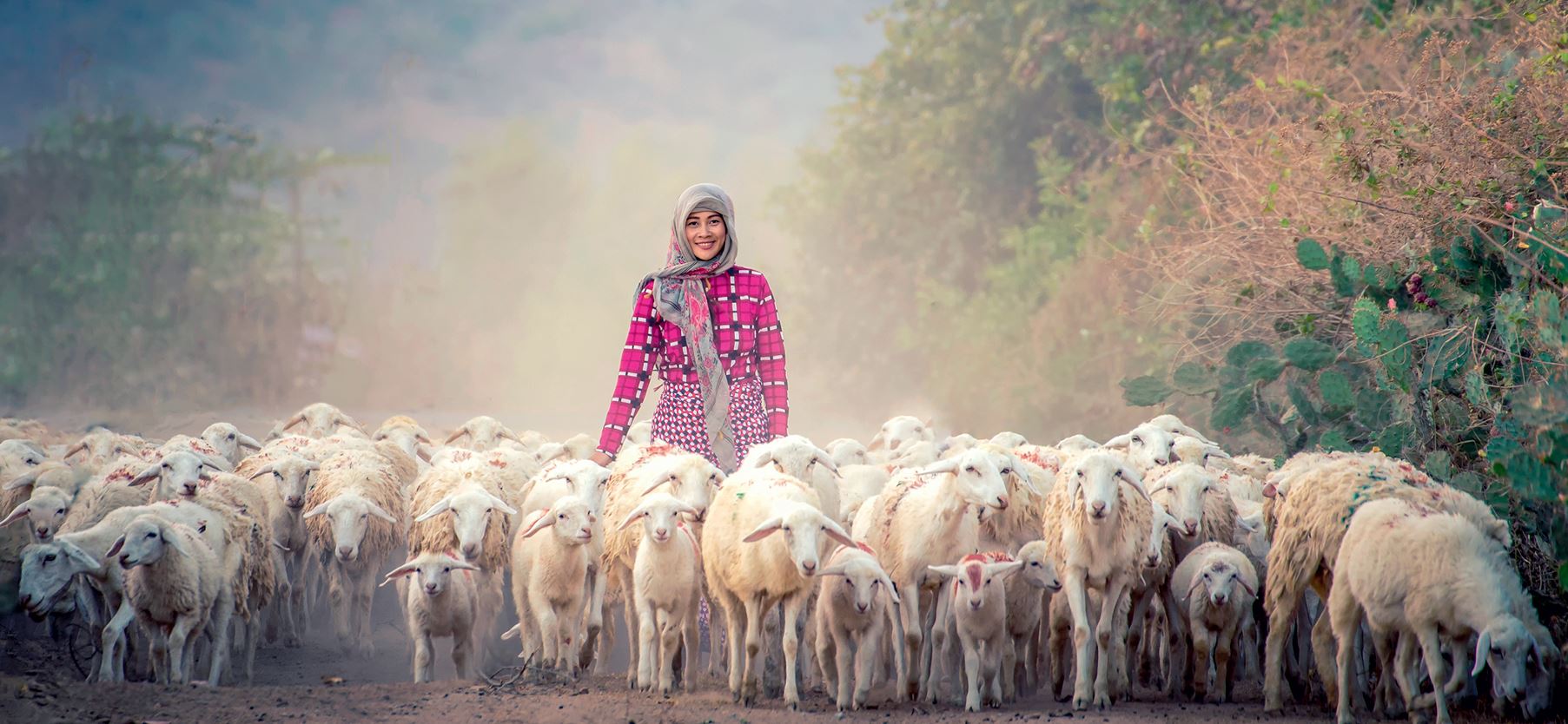
Anyone who talks about domestic sheep must also mention the work of the shepherd, without whose care they would not survive. Many biblical figures – men (e.g., Abel, Abraham, Isaac, Jacob, Joseph, Moses, David, Amos) as well as women (e.g., Rebekah, Rachel, Zipporah) – were shepherds. Evidently the self-sacrificing care of the animals was a good training ground for later leadership responsibilities over people. What this service looks like in practice can be studied in Psalm 23. This passage, together with the «Lord’s Prayer», is considered the best-known biblical text. It presents care, refreshment, guidance, support, comfort, fellowship, peace, joy, and confidence – things that only God can give in perfect measure; and hardly anyone could have described God better as his personal shepherd than David, who himself was a shepherd and later, as king of Israel, understood himself as a «shepherd of people» (2Sam 24:17; Ps 78:70–72).
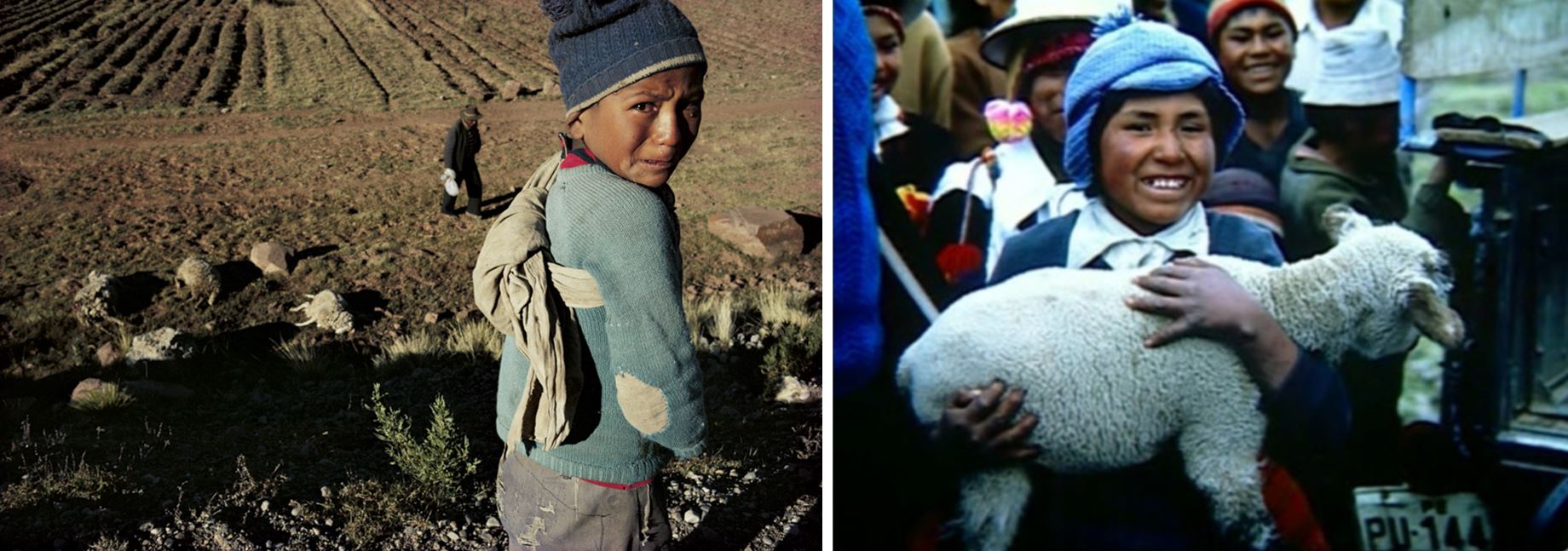
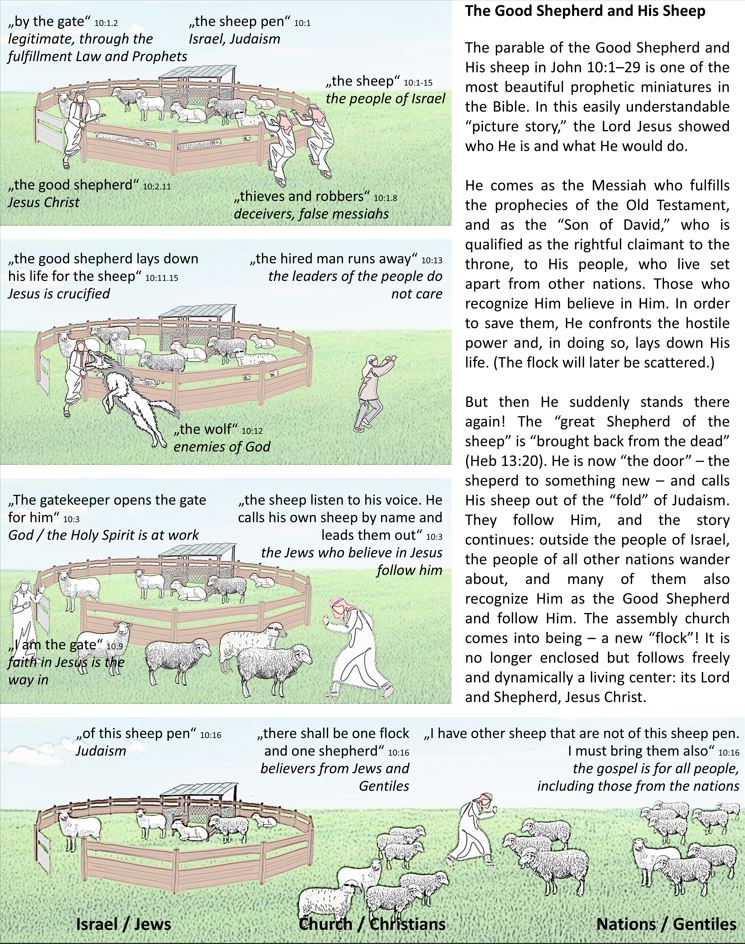
- «The LORD is my shepherd» – There is a relationship between sheep and shepherd. It is not merely a relationship of ownership, but also mutual knowing and recognizing. As more recent studies have shown, sheep have extraordinary abilities in recognizing faces and voices (cf. Joh 10:3–4, 14, 16, 27). The shepherd also knows his sheep and feels responsible for them (Joh 10:11–15, 28). When the prophet Nathan tells the story of a man who has only a single small ewe lamb to which he is deeply attached, and it is stolen from him, David’s shepherd heart is revealed: «David’s anger burned greatly against the man, and he said to Nathan, “As the LORD lives, the man who has done this deserves to die”» (2Sam 12:5).
- «I shall not want» – A good shepherd knows and meets all the needs of his sheep. He knows best what the animals need at any given time.
- »He makes me lie down in green pastures» – Especially in barren regions, the grazing area must be changed regularly according to a well-thought-out plan. In Israel, haymaking was not practiced – the grazing had to adapt to natural conditions: «When the grass is gone and new growth appears …» (Prov 27:25). If an area is used too intensively, the vegetation is destroyed by overgrazing and trampled by hooves. Parasites that are excreted with the droppings and taken up again while grazing can then easily spread throughout the flock. The shepherd also makes sure there are no poisonous plants in the pasture and pulls them out if necessary to protect the sheep.
- »He leads me beside still waters» – Sheep are not desert animals like gazelles or camels and in dry regions have a water requirement of 3–6 liters per day (nursing mothers even up to 10 liters). The shepherd ensures that a watering place or a shepherd’s cistern (Zeph 2:6) is visited daily, and that the sheep line up to drink in such a way that they do not dirty the water for one another. If they stir up the sediment (Ezek 34:18), the risk of infection from parasites increases.
- »He restores my soul» – The shepherd knows how much rest his animals need. If sheep do not have enough time to rest for rumination and nursing, it can be life-threatening for them (Gen 33:13).
- »He leads me in paths of righteousness» – The sheep’s inadequate sense of direction has already been mentioned. The shepherd not only prevents them from getting lost but also knows the safest and shortest paths between grazing areas, watering places, resting places, and folds.
- »Even though I walked through the valley of the shadow of death, I will fear no evil, for you are with me» – The way to the next fertile mountain pastures often leads through intervening valleys. On the one hand, valley routes have less gradient, offer more shade, and more often pass small streams and ponds than mountain paths; on the other hand, predators find cover there to sneak up on the flock unnoticed. Without the shepherd’s accompaniment and presence, the sheep would be in grave danger here. In the Judean hill country that David has in view, the valleys are often wadis that can fill with water in sudden torrents during rainfall – even if the rain falls far away. In Israel, several people still die from this every year. Normally the shepherd lives with the flock and stays in the «shepherd’s tent» (Isa 38:12).
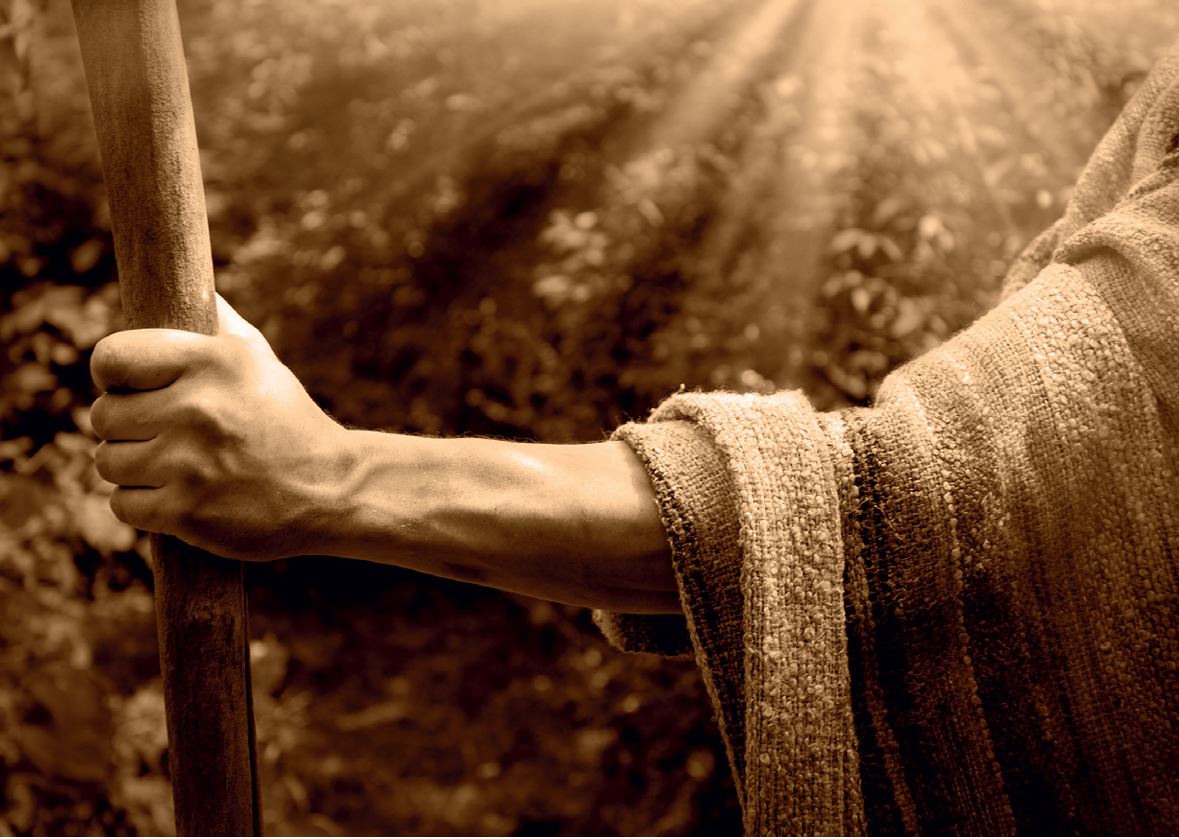
- »Your rod and your staff, they comfort me» – The Hebrew word shebet, translated here as «rod», refers in this context to a strong club that served as an all-purpose tool. It could be used as a weapon (2Sam 23:21; 1Chr 11:23) and was sharpened on one side so that it could be used as a spear (2Sam 18:14) or as a weed-digger to uproot poisonous plants. With its help the sheep were counted, probably in a narrow passage, by letting them pass under it one by one (Lev 27:32; Jer 33:13; Ezek 20:37); they were disciplined with it and driven onward (Isa 9:3). The rod became a symbol of the shepherd (Mic 7:14) and, figuratively, a symbol of the ruler who leads his people. In that sense the word is usually translated «scepter» (e.g., Ps 45:7; Ezek 19:14) or «rod» when it refers to the ruler’s judging power (e.g., Ps 89:33; Isa 11:4). The word misch’ena, translated here as «staff», by contrast denotes a long stick or walking staff on which the shepherd leans (Exod 21:19; Zech 8:4) and with which he guides the sheep. Together, both indicate that the shepherd rules his sheep in a good way by correcting, leading, and protecting them.
- »You prepare a table before me in the presence of my enemies» – Sheep relax only when they feel safe from external «enemies» such as predators and snakes, and when rivalry among themselves has been calmed. Then they graze until they are full, lie down peacefully, ruminate, and rest. But God leads His sheep through this world even though they are often surrounded by enemies – until the last enemy, death, is abolished (1Cor 15:25–26).
- »You have anointed my head with oil» – Some translations move here directly into the figurative meaning: «You welcome me as a host welcomes his guest» (Ps 23:5). Without doubt David alludes to this deeper meaning, which is found frequently in the Bible. The heads of kings, priests, and prophets – and of honored guests (Lk 7:46) – were anointed with oil (and in New Testament symbolism the oil can even be seen as a picture of the Holy Spirit: Acts 10:38; 2Cor 1:21). It is interesting, however, that this verse also describes, on the literal level, the practical procedure of a shepherd treating the animals’ heads with oil. Ectoparasites such as ticks, leeches, lice, biting lice, and louse flies that attach themselves on and in the animal’s skin can be effectively combated in this way. The oil seals their breathing openings (spiracles), causing them to suffocate. Perhaps people back then also already knew about the effect of natural deterrents (repellents) such as sulfur, tar, essences of cedar and lavender, or tannins, which can be mixed in and additionally keep away bothersome insects such as botflies, horseflies, and mosquitoes.
- »My cup overflows. Surely goodness and mercy shall follow me all the days of my life, and I shall dwell in the house of the LORD forever» – At the end, the deeper meaning of the psalm comes fully into focus. The overflowing cup is an image of the true shepherd’s boundless readiness to bless and to give. Whereas with earthly shepherds economic considerations and a weighing of effort and benefit determine action, God acts in goodness, favor, love, grace, and mercy because it corresponds to His nature. And whereas sheep are ultimately slaughtered, God’s goal for humans is to be with Him forever.
Why are scientists so sure that sheep can recognize and distinguish not only human voices but also human faces? The experimental setup shown here (after Knolle et al.) produced very convincing results. Since many experiments are structured similarly, it is worth tracing the procedure once using this example.
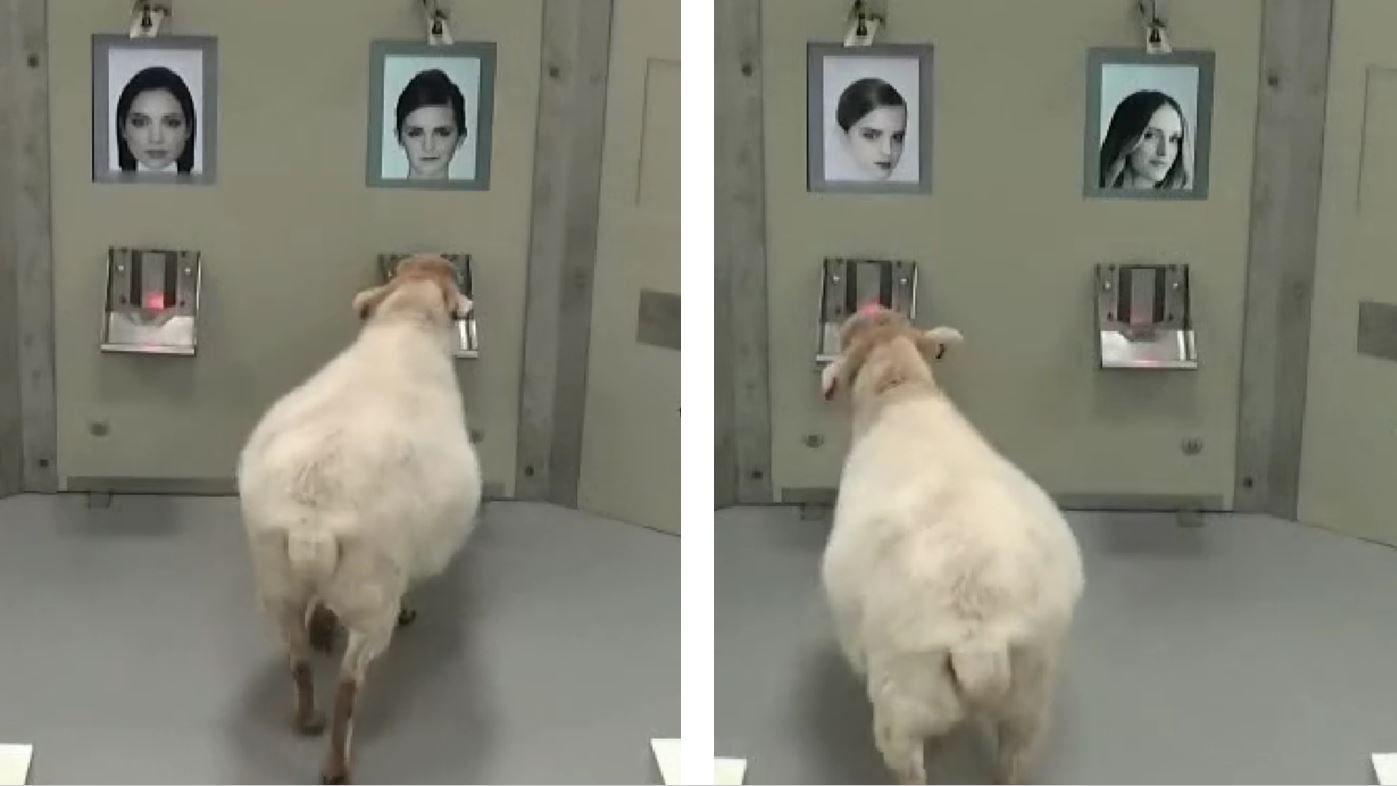
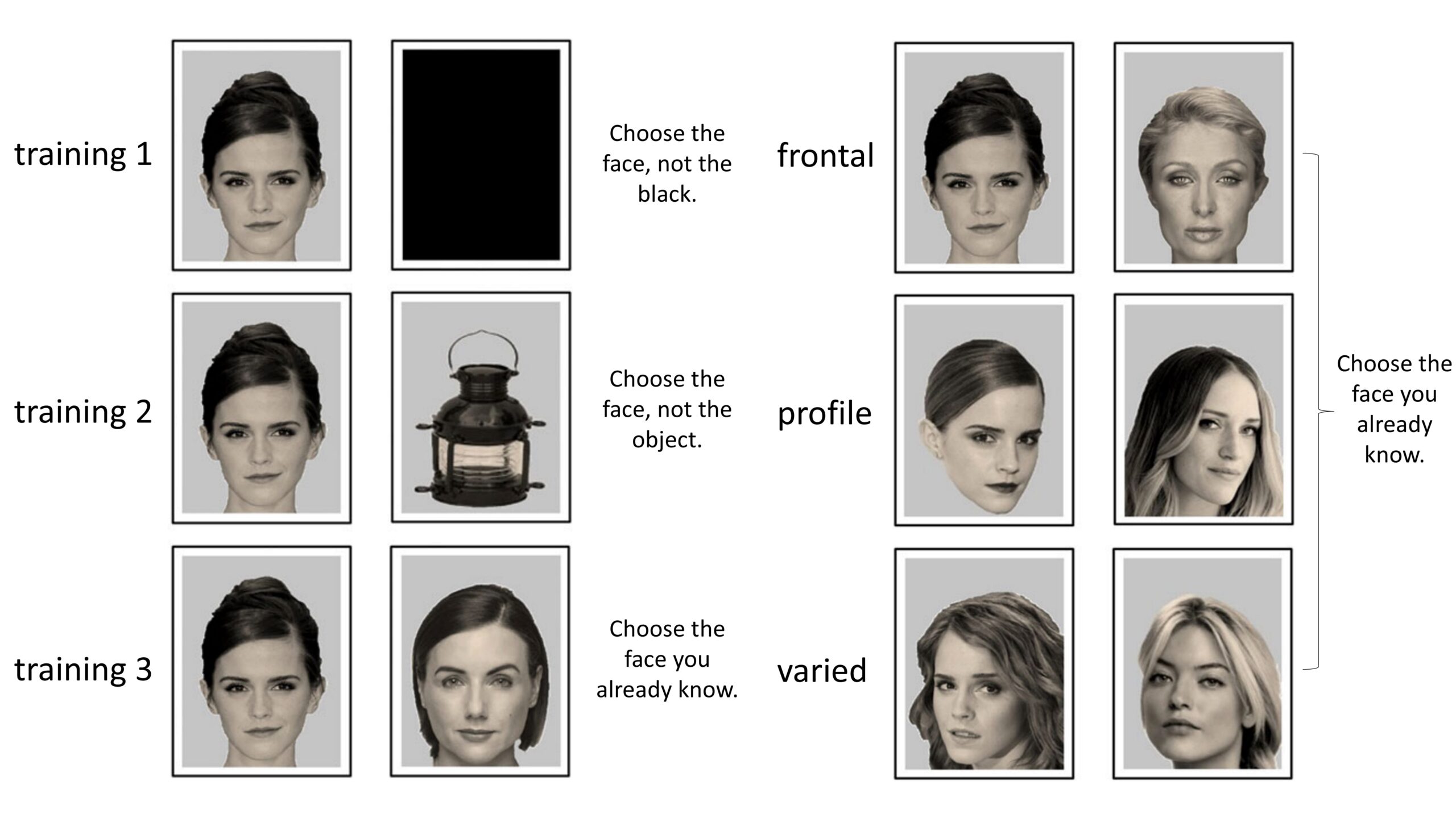
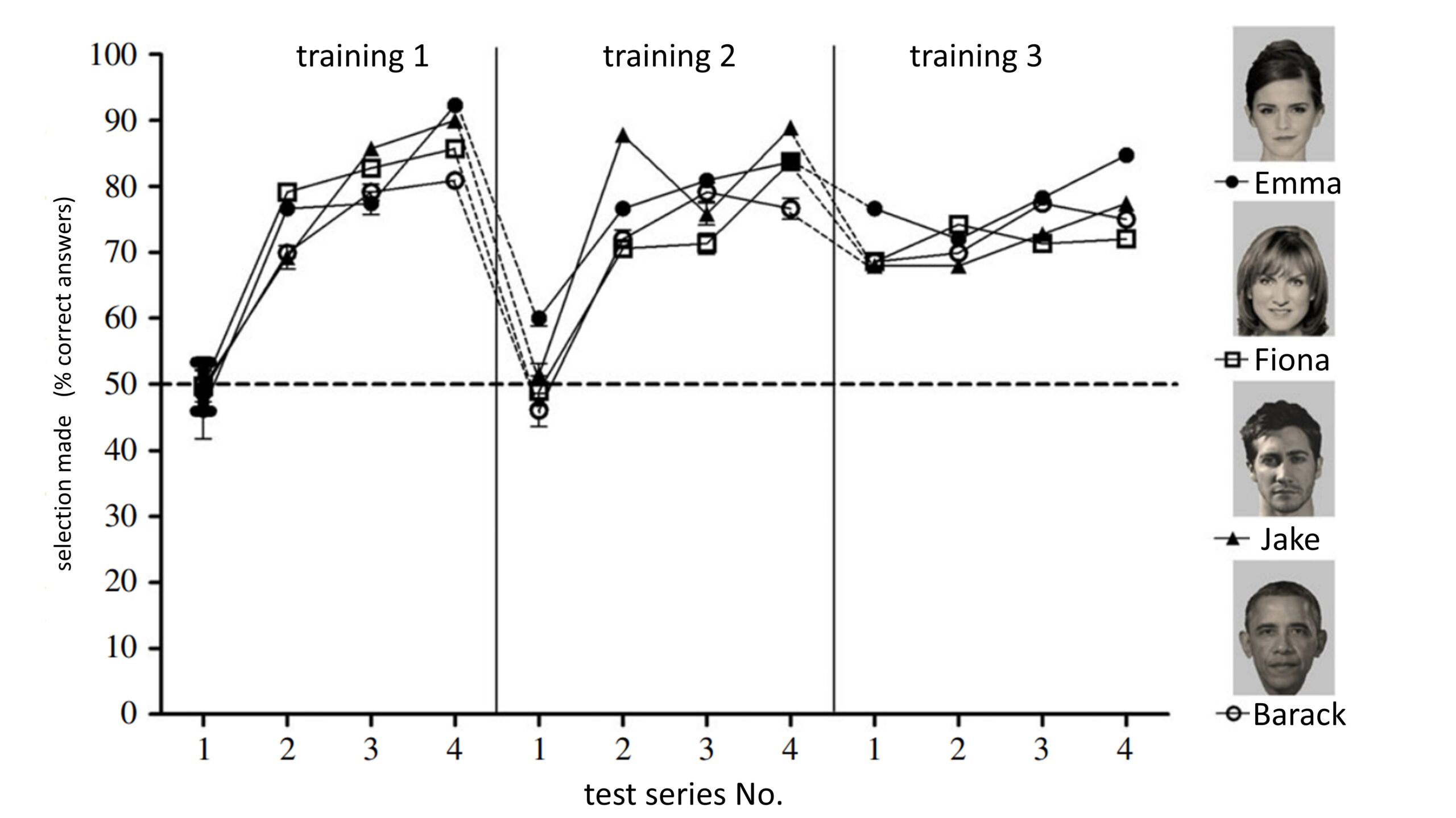
First the sheep discover that the feeder sometimes dispenses treats. Then they realize that their behaviour can cause something to come out. In this way they can be trained (A). They learn a first simple rule: if you nudge the slot above which something appears on the screen with your nose, you get a reward. In the second training session they notice that it does not make no difference what appears there, but that only the human face should be selected. In the third session they understand that it is about the specific face that is already familiar to them. After this conditioning the next round begins (B), and it is no problem for the sheep to recognize again the pretty face of the actress Emma Watson even from other perspectives, with different hairstyles (and further variations: glasses, hat, half covered, etc.). To make the result «watertight», it was also shown that the whole thing works with different sheep and with different faces, and that the learning curves always look similar (C).
Although the shepherd’s service is inseparably connected with his sheep, this book is primarily about the animals. A detailed consideration of how many instructive aspects the Bible – Old and New Testament – connects with shepherding would go beyond the scope. A few hints must suffice. Ezekiel 34 speaks of the leaders of the people of Israel, who were mostly bad shepherds. But the look into the future already reveals Jesus Christ, the ONE shepherd, the «Son of David» and the «true David»: «And I will set up over them one shepherd, my servant David, and he shall feed them: he shall feed them and be their shepherd» (Ezek 34:23) and «He will tend his flock like a shepherd; he will gather the lambs in his arms; he will carry them in his bosom, and gently lead those that are with young» (Isa 40:11).
Psalm 23, discussed in the previous section, shows us «our Lord Jesus, the great shepherd of the sheep» (Heb 13:20) as He works in the present with believers. The chapter before it, Psalm 22, shows the past – His death and His resurrection – as John describes them: «I am the good shepherd. The good shepherd lays down his life for the sheep […] I lay it down of my own accord. I have authority to lay it down, and I have authority to take it up again» (Joh 10:11, 18). The following chapter, Psalm 24, by contrast shows something that will be unveiled only in the future: «And when the chief Shepherd appears, you will receive the unfading crown of glory» (1Pet 5:4). Then all people will recognize that the «Lamb of God» (Joh 1:29) is also the shepherd: «for the Lamb in the midst of the throne will be their shepherd, and he will guide them to springs of living water» (Rev 7:17). Summed up in one sentence: the three messianic psalms 22–24 show us the Lord Jesus as the good shepherd who died for us (22), the great shepherd who shepherds us today and is with us (23), and also the chief shepherd whose future, wise rule will never end (24).
Nothing expresses wealth in the Bible more often than the size of small-livestock herds, and especially the number of sheep. While for us even the sight of a herd of one hundred animals is impressive, there must have been enormous herds in the Near East at that time. Job already owned 14,000 head of small livestock (Job 42:12). It was probably mostly sheep. In any case, he used dogs to protect them (Job 30:1) and spoke of the wool of his lambs (Job 31:20). A wealthy man like Nabal had 3,000 sheep (1Sam 25:2). And after a great victory over the Midianites, the war booty alone included 675,000 head of small livestock (Num 31:32). The Moabite king Mesha, who ruled in the area of today’s Jordan, paid Israel an annual tribute of 200,000 animals (2Kgs 3:4), and Solomon sacrificed 120,000 sheep at the dedication of the temple (1Kgs 8:63; 2Chr 7:5).
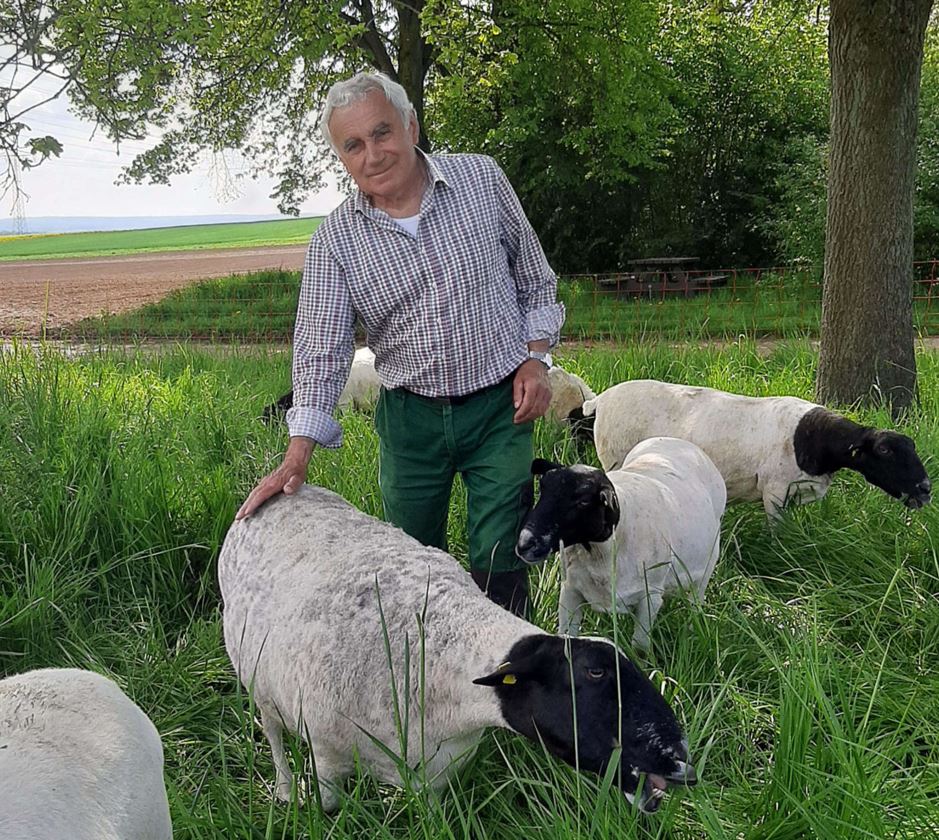
The ownership of the sheep plays an important role when the flock is used as an image of God’s people. In twenty verses God speaks of His sheep and describes His care: «I will seek my sheep and will seek them out» (Ezek 34:11) and «My sheep hear my voice, and I know them, and they follow me» (Joh 10:27) – «For he is our God, and we are the people of his pasture, and the sheep of his hand» (Ps 95:7; cf. Ps 79:13; 100:3). The sheep recognize their shepherd and his voice. On various websites with Bible devotions one can find on the internet the story of a shepherd from Karlsruhe whose 111 sheep were stolen. Afterwards, at a loading station in Cologne, he called them out again from a herd of 5,000 animals, which was proof enough for the police officers he had brought along that he was the rightful owner. Perhaps it is only a little «tall tale», because unfortunately this description cannot be validated. In any case, it could have happened that way, as another story shows: On 23 October 2019, hobby sheep breeder Karl-Heinz Klee from Pohlheim had six valuable Dorper sheep stolen, which he rediscovered in a flock in Nidda, 40 kilometers away. He was also able to demonstrate to the police that the animals he claimed as his property could be called to him. Unfortunately, the officers did not understand enough about sheep to assess the evidential value of this demonstration correctly, because the ear tags had been exchanged and indicated a different owner. Only when another robbed sheep owner joined them were investigations initiated – revealing that half of the flock of 200 animals was stolen property.
Since in Israel several flocks often grazed together (Gen 13:7) or were led to watering places (Gen 29:2–10; Ex 2:17), the animals had to be clearly marked so they could be assigned to their owner. This was done either by branding the lower leg of the hind leg or – especially in breeds with a lot of wool – by notching the ear. If a shepherd was not tending his own animals, it was important for him to provide the owner with proof when sheep were torn by predators (Ex 22:12). The prophet Amos refers to this ironically when he announces judgment on the northern kingdom of Israel: «As the shepherd rescues from the mouth of the lion two legs or a piece of an ear, so shall the people of Israel be rescued» (Amos 3:12). With these miserable scraps the shepherd could prove that the sheep was lost, but there could be no talk of a «rescue».
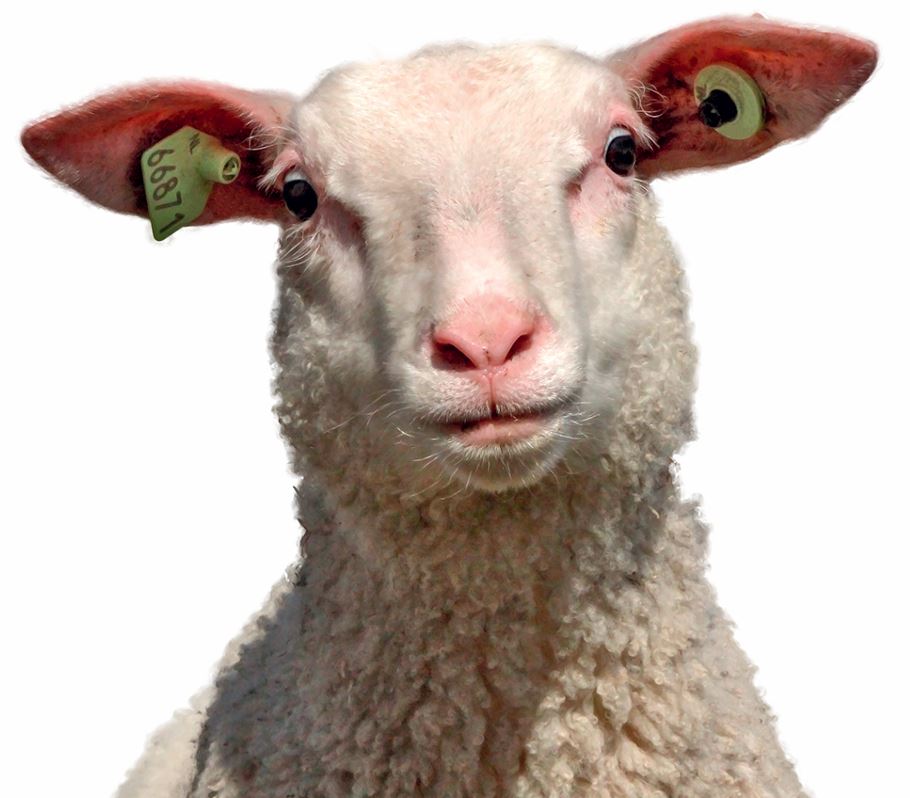
A law ordered an interesting parallel to the ownership indication through marking the ear for a servant (actually a slave under Jewish law) who renounces his freedom: «But if the servant plainly says, “I love my master, my wife, and my children; I will not go out free,” then his master shall bring him to God, and he shall bring him to the door or the doorpost. And his master shall pierce his ear through with an awl, and he shall be his servant forever» (Ex 21:5–6). This is a beautiful picture of what the Lord Jesus did as the servant of God (Isa 42:1; 52:13; 53:11; Acts 3:13, 26). Out of love for His Lord (God the Father), His wife (the church), and His children (the people of Israel), He allowed Himself to be pierced, as was prophetically announced: «You have dug ears for me» (Ps 40:7 Einh; cf. Heb 10:5–7) and He serves forever.
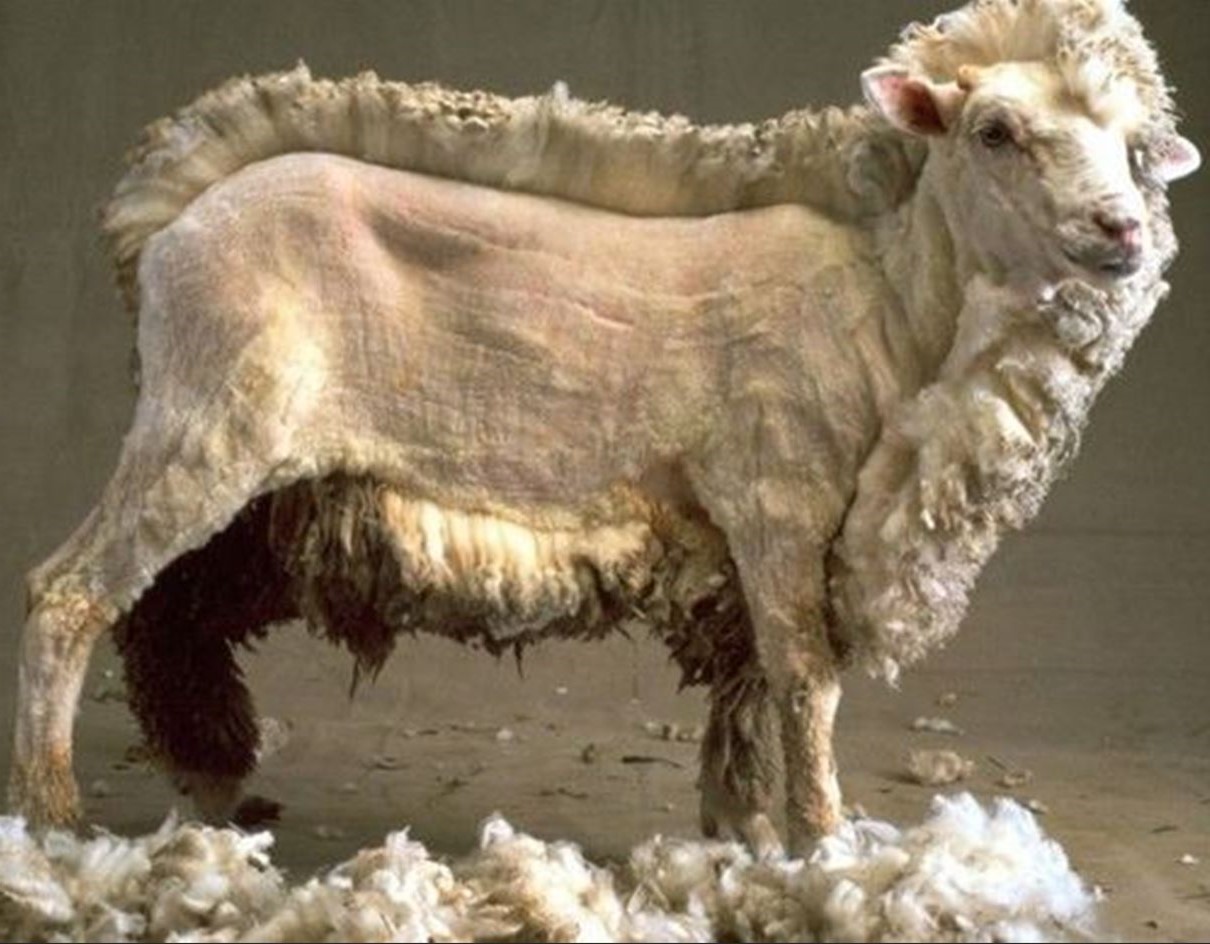
«Know well the condition of your flocks, and give attention to your herds … When the grass is gone and the new growth appears, and the vegetation of the mountains is gathered, the lambs will provide your clothing, and the goats the price of a field, and there will be enough goats’ milk for your food» (Prov 27:23–27). These verses allow us to infer the ordinary use of domestic animals. While the surplus of young male animals (for slaughter) was sold, and milk production was central with goats, sheep were kept mainly for wool production.
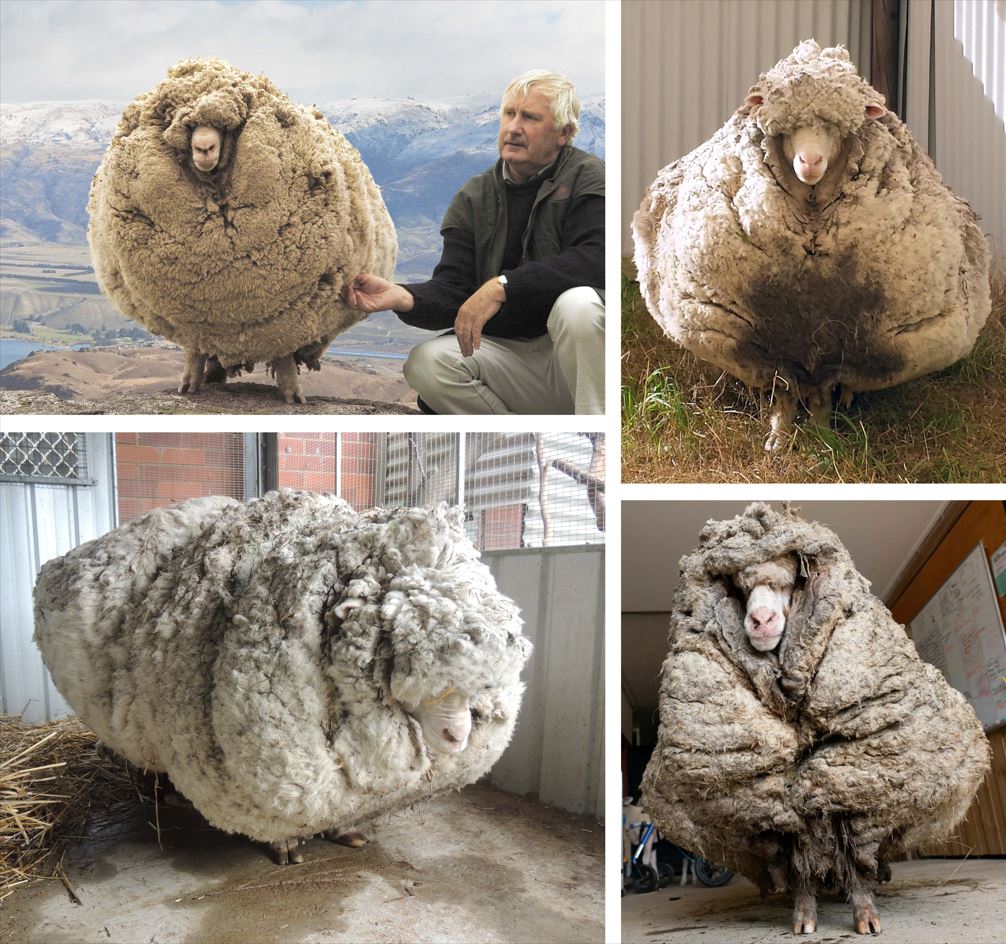
There are sheep breeds with very different fleece colors, but this poetic comparison from a love song suggests that in Israel the animals usually wore white wool: «Your teeth are like a flock of shorn sheep that have come up from the washing» (Song 4:2; cf. 6:6). The statements about God, «who gives snow like wool» (Ps 147:16), about Jesus, «the hair of his head was white, like white wool, like snow» (Rev 1:14), and the verse «Though your sins are like scarlet, they shall be as white as snow; though they are red like crimson, they shall become like wool» (Isa 1:18) also point in this direction. Nevertheless, there were also reddish, brown, black, speckled, striped, spotted, and mottled animals (Gen 30:32, 39). But they were evidently considered inferior at the time – and even if the requirement «without blemish» referred to health, the perfect sacrificial animal, at least in later times, was also «without spot» (cf. 1Pet 1:19).
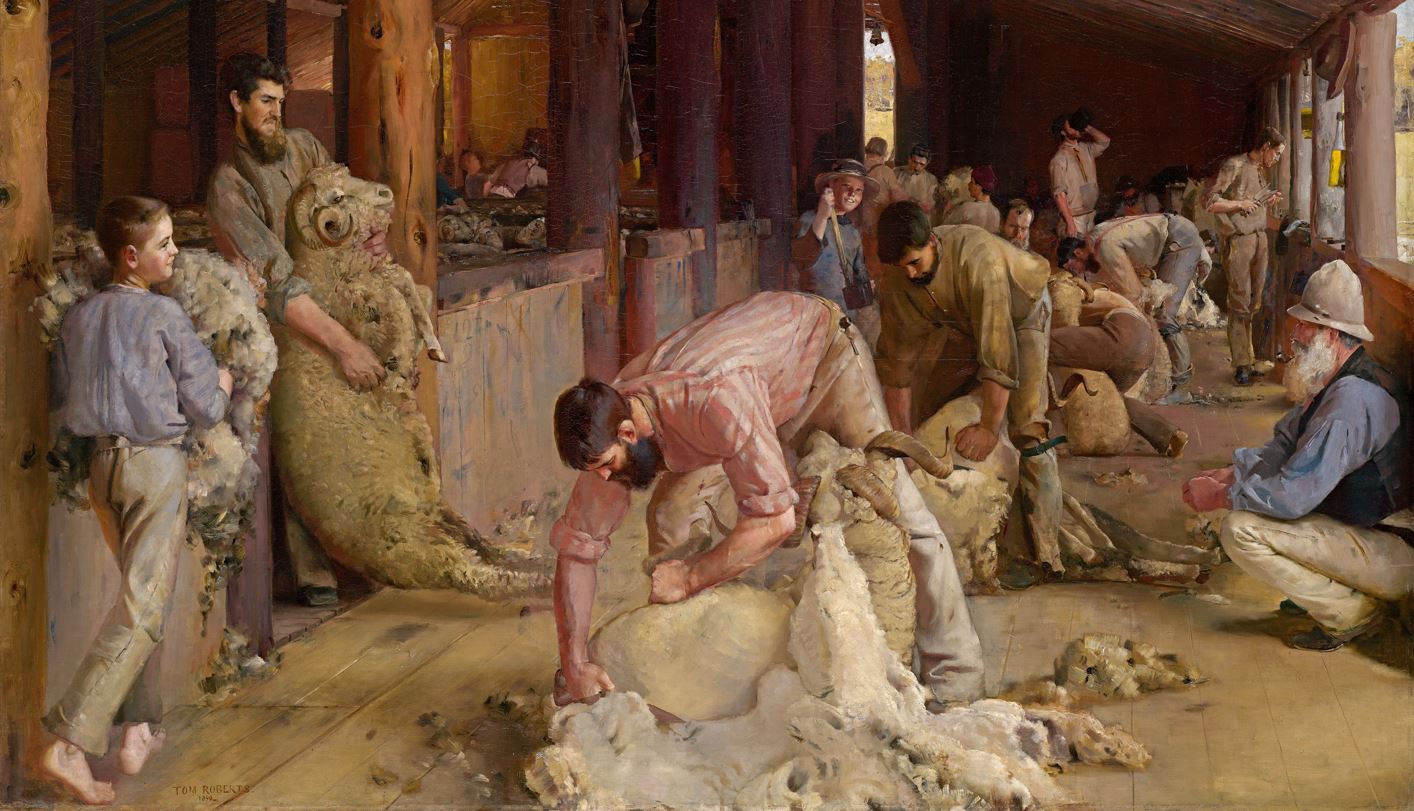
Sheep’s wool (Hebrew: zemer, 16x; Aramaic: amar, Dan 7:9; and Greek: erion, Heb 9:19; Rev 1:14) was a sought-after commodity in antiquity (Ezek 27:18) and had great economic importance until the modern cultivation of cotton and the development of synthetic fibers. The shearing of sheep brought sheep owners the main yield of the year and was celebrated as chag ha-gez – the «feast of shearing» (Gen 31:19; 38:12; Deut 18:4; 1Sam 25:2; 2Sam 13:23).
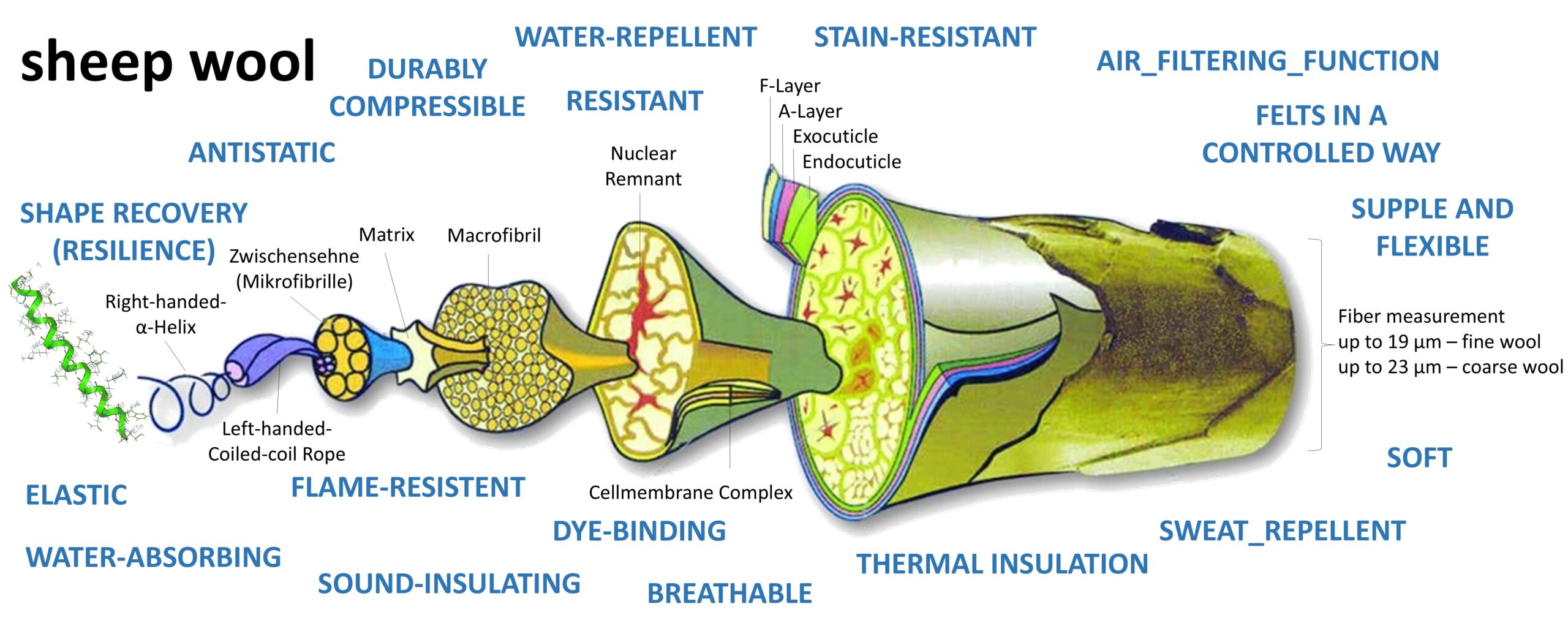
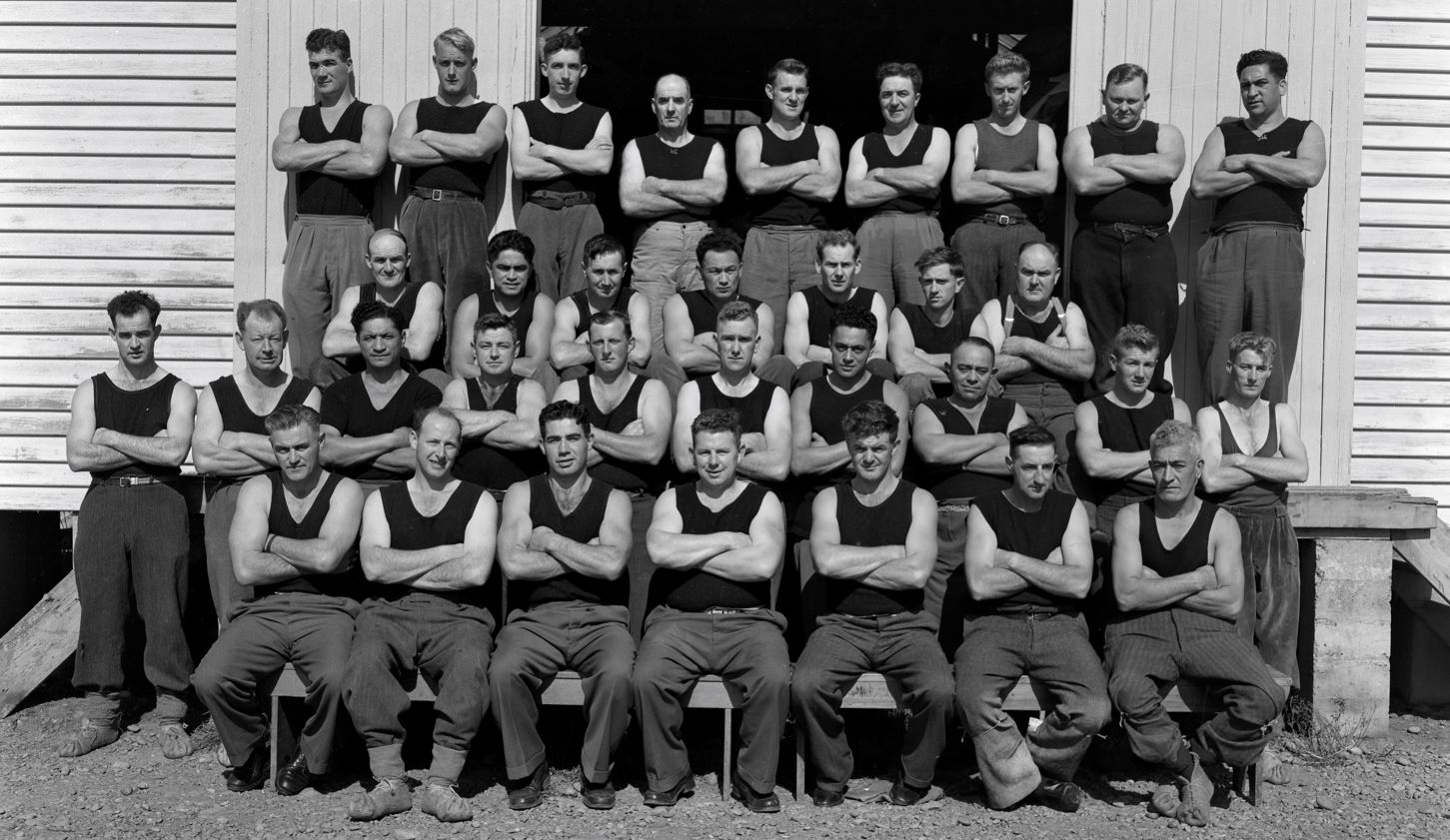
Even today, in sheep regions such as Australia, large «sheep shearing festivals» are held, often including a competition among the best shearers. The world champions are true athletes and powerhouses. On the site https://shearingrecords.co.nz you can find the current record holders. Their performances are incredible. On 28 January 2023, Aidan Copp shorn 605 lambs in a row! He might have managed four or five more, but he ran out of animals when he still had 4 minutes and 36 seconds to go before reaching the 8-hour time limit. Thick books have been written about the special properties and qualities of sheep’s wool. The illustration above at least gives a small impression of the complexity of its structure.
The most frequently prescribed sacrificial animals were «one-year-old lambs without blemish», mentioned in 52 Bible verses. In the framework of ordinary temple service alone, more than a thousand lambs were sacrificed per year. Daily, every morning and every evening, one was burned as a «regular offering» (Ex 29:39; Num 28:4), on the Sabbath two additional (Num 28:9), and at the beginning of the month seven additional (Num 28:11). At six «feasts of the LORD», seven each – and during the Feast of Booths a total of 106 (Num 28–29) more. They were driven through the Sheep Gate to the north (scha’ar ha-zon: Neh 3:1, 32; 12:39; probatikos: Joh 5:2) into the nearby temple precinct, to be sold there to pilgrims (Joh 2:14) and later sacrificed on the altar. The lamb is the sacrifice par excellence and often stands representatively for all other sacrificial animals.
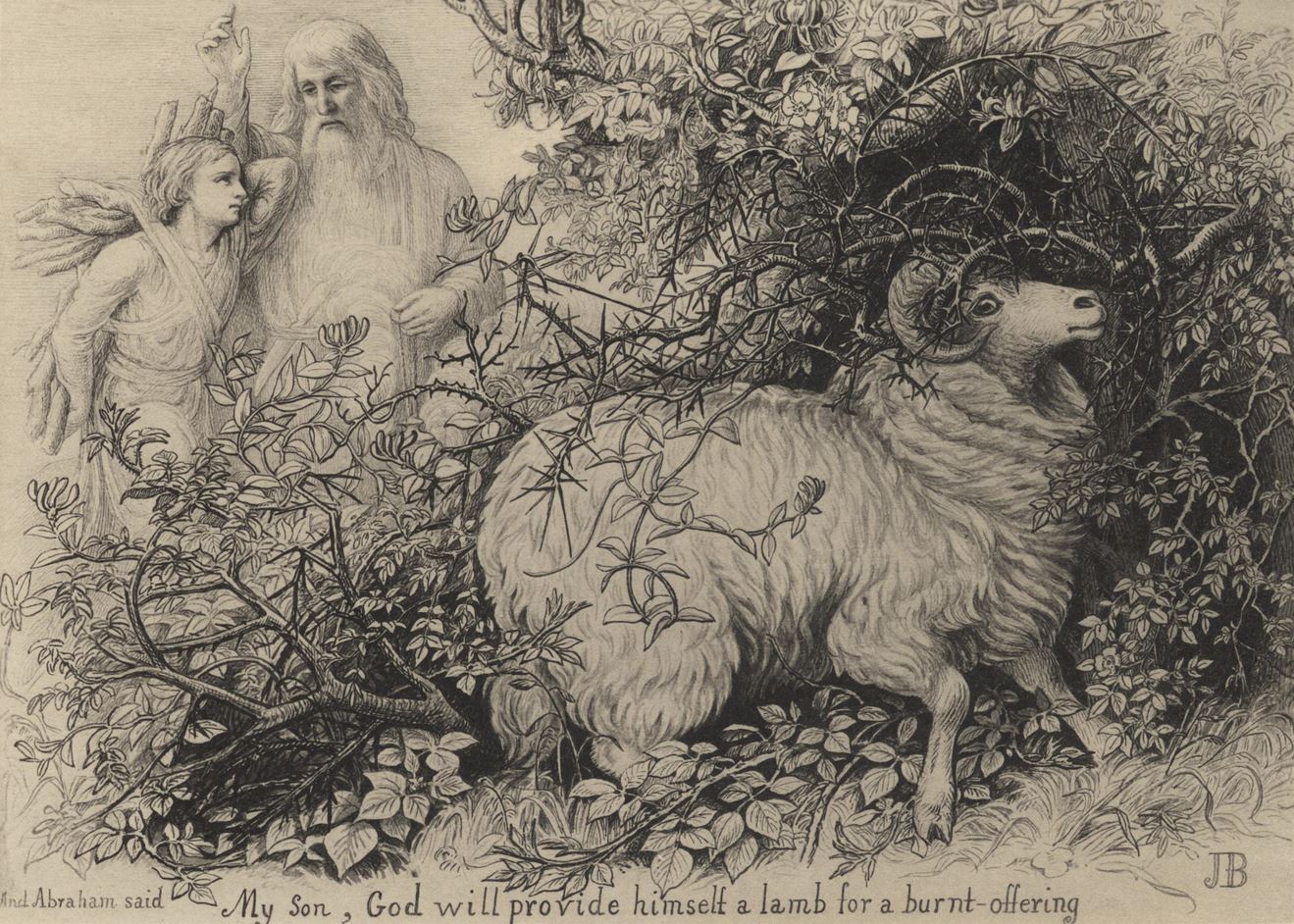
Although there were already indications in the Old Testament that animal sacrifices could not be a final solution to the problem of human guilt and sin, that was hard for the Jews to imagine. Prophetic statements about God’s saving action, such as Isaiah 53:7: «He was oppressed, and he was afflicted, yet he opened not his mouth; like a lamb that is led to the slaughter, and like a sheep that before its shearers is silent, so he opened not his mouth», became clear only after they had been fulfilled. John the Baptist had already referred to it when he said about the Lord Jesus: «Behold, the Lamb of God, who takes away the sin of the world!» (Joh 1:29, 36), but what that truly meant even His disciples recognized only after their risen Lord met them. Later, in his encounter with the Ethiopian official, Philip could refer precisely to this verse from Isaiah «and beginning with this Scripture he told him the good news about Jesus» (Acts 8:35). The early Christians from Jews and nations now understood that God had redeemed them «with the precious blood of Christ, like that of a lamb without blemish or spot» (1Pet 1:19). Perhaps we, too, will one day realize that we do not yet fully know our Lord. As a human being He displayed the lamb-like qualities «gentle and lowly in heart» (Mt 11:29), and so He still meets us today. But when the time of grace is past, the «wrath of the Lamb» (Rev 6:16) – an almost paradoxical expression – brings merciless judgments upon humanity.
A special sheep story goes back to Julius Anton von Poseck (1816–1896), one of the founding fathers of the «Brethren movement» in Germany. He knew the Bible, but studied philosophy in Münster and Berlin and, as a successful and wealthy young man of noble descent and impeccable reputation, saw no reason to recognize himself as a sinner and ask God for forgiveness.
On 15 August 1848, however, his attitude changed drastically. While taking part in the celebrations for the 600th anniversary of the laying of the foundation stone of Cologne Cathedral, a stone broke loose from the balustrade of the building and crushed a young woman who was standing where he himself had been shortly before. He realized that as long as he rejects Jesus as Savior, he will one day meet Him as Judge: «Everyone who falls on that stone will be broken to pieces, and when it falls on anyone, it will crush him» (Lk 20:18). That led him to repent and confess his sins to God.

A few years later he visited St. Ludgerus Church in Essen-Werden. During a guided tour, the stone sculpture of a sheep set into the masonry below the roof edge was explained: «When a roofer was repairing the damaged church roof, the hook to which his ladder was fastened tore loose. His dreadful fall into the depths, which would certainly have brought him death, was softened by the fact that he fell onto the soft back of a lamb that was grazing below on the lawn and was crushed by the falling man. Thus, the roofer escaped with his life; not a single limb was broken. Out of a grateful heart for this grace of God’s protection, he had the lamb carved from stone and installed in the masonry of the roof edge.» This story moved von Poseck deeply because it illustrates how Jesus, as the Lamb of God, took our place. We are saved and kept – «But he was pierced for our transgressions; he was crushed for our iniquities» (Isa 53:5).
Sources:
Arden, H; Allard, WA: The two souls of Peru. National Geographic 1982; 161(3):284-300
Atteneder, V: Analyse der Zwillings- und Mehrlingsgeburten. Universität Wien, Institut für Nutztierwissenschaften, Arbeitsgruppe Tierzucht, Diplomarbeit 2007; https://epub.boku.ac.at/obvbokhs/content/titleinfo/1035817/full.pdf
Baumgartner, S: Innere Parasiten bei Schafen und Ziegen. Landwirtschaftszentrum SG 2019; Fachstelle Kleinvieh / Herdenschutz; Merkblatt 1. Ausgabe 1. Mai 2019; https://www.sg.ch/umwelt-natur/landwirtschaft/lzsg/Beratung/tierhaltung/ziegen-und-schafe
Bohan, A; Shalloo, L; Creighton, P: A survey of management practices and flock performance and their association with flock size and ewe breed type on Irish sheep farms. The Journal of Agricultural Science 2017; 155(8):1332-1341; doi: 10.1017/S0021859617000399
Bundesministerium der Justiz: Verordnung zum Schutz gegen die Verschleppung von Tierseuchen im Viehverkehr (Viehverkehrsverordnung – ViehVerkV) Anlage 9 (zu § 34 Absatz 3 und 4) Ohrmarken zur Kennzeichnung von Schafen und Ziegen; aufgerufen am 27.11.2023; https://www.gesetze-im-internet.de/viehverkv_2007/anlage_9.html
Denge, T: Freilaufendes Merino-Schaf in Australien: Schaf „Chris“ von 42 Kilogramm Wolle befreit. Tagesspiegel vom 03.09.2015; https://www.tagesspiegel.de/gesellschaft/panorama/schaf-chris-von-42-kilogramm-wolle-befreit-3656665.html
Dröse, B: Die wundersame Rettung des Dachdeckermeisters. Stadt-Spiegel 21.01.2023; https://www.lokalkompass.de/essen-west/c-kultur/die-wundersame-rettung-des-dachdeckermeisters_a1825024
Epstein, H: Fettschwanz- und Fettsteißschafe (S. 6, Abb. 1, Wagen für den Fettschwanz). Wittenberg (A. Ziemsen) 1970
Hermes, W: Hermann Heinrich Grafe und seine Zeit. Witten (Bundes) 1933; Auszüge daraus (p. 14-15), 2008 unter http://www.bruederbewegung.de/pdf/hermes.pdf
Israelnetz: Erste Jakobschafe in Israel eingetroffen. 08.12.2016; https://www.israelnetz.com/erste-jakobschafe-in-israel-eingetroffen
JTA: 9 Israeli teens killed, 1 missing after getting caught in flash flood. Jewish Telegraphic Agency 26.04.2018; https://www.jta.org/2018/04/26/israel/7-israeli-teens-critically-injured-least-3-others-missing-flash-floods-hit-area-hiking
Keller, WP: Psalm 23 – Aus der Sicht eines Schafhirten. Asslar (Schulte & Gerth) 1992
Knolle, F; Goncalves, RP; Morton, AJ: Sheep recognize familiar and unfamiliar human faces from two-dimensional images. Royal Society Open Science 2017; 4(11):171228; doi: 10.1098/rsos.171228
Marino, L; Merskin, D: Intelligence, complexity, and individuality in sheep. Animal Sentience 2019; 25(1)1-26; doi: 10.51291/2377-7478.1374
Markwick, G: Water Requirements for Sheep. Profitable & Sustainable Primary Industries 2007; prime facts 326; https://livestock-emergency.net/userfiles/file/water-supply/Marwick-2007.pdf
Moore, NW; Halnan, CRE; McKee, JJ: Studies on hybridization between a Barbary ram (Ammotragus lervia) and domestic ewes (Ovis aries) and nanny goats (Capra hircus). Journal of Reproduction and Fertility 1981; 61:79-82
Podbregar, N: Schafe erkennen unsere Gesichter. Bild der Wissenschaft, 8. November 2017; https://www.wissenschaft.de/erde-umwelt/schafe-erkennen-unsere-gesichter
Schafschur-Rekorde: https://shearingrecords.co.nz/index.html, abgerufen am 25.03.2023
Searby, A; Jouventin, P: Mother-lamb acoustic recognition in sheep: a frequency coding. Proceedings of the Royal Society of London B 2003; Biological Sciences 270:1765-71; doi: 10.1098/rspb.2003.2442
Siwiaszczyk, M; Love, S; Chaillou, E: “BAA, BAA”: Can sheep talk to each other? Neuroscience and Psychology, Frontiers for Young Minds 2022; 10:703514; doi: 10.3389/frym.2022.703514
Skaggs, R: Lion and Lamb in the Apocalypse of John. Academia Letters 2020; 87; doi: 10.20935/AL87
Wilson, AD: Water consumption and water turnover of sheep grazing semiarid pasture. Australian Journal of Agricultural Research 1974; 25:339-347; doi: 10.1071/AR9740339
Zahedi, A; Ryan, U; Rawlings, V: Cryptosporidium and Giardia in dam water on sheep farms – An important source of transmission? Veterinary Parasitology 2020; 288:109281; doi: 10.1016/j.vetpar.2020.109281
Image Credits:
Wikipedia: sheep lying on its back / Erin Evan // sheep – half shorn / Paul // sheep shearer at work / lQEDjT-_MXaMJQ at Google Cultural Institute // sheep shearer class / https://livingheritage.lincoln.ac.nz/nodes/view/7472 // ram in the thorns / Jemima Blackburn // Ludgerus Church, Essen / Zairon
other licenses: cover title – sheep with lamb / Shutterstock ID_2303507213 / imageBROKER.com // Jacob sheep / Shutterstock ID_459140173 / Nancy Kennedy // fat-rumped sheep / Shutterstock ID_1996045622 / Alan Sau // fat-tailed sheep / Shutterstock ID_576400528 / mikluha_maklai // shepherd in Pakistan / Shutterstock ID_511167769 / Saga Photo and Video // sheep being turned over by a shepherd / Shutterstock ID_1547984420 / Sarnia // shepherdess with flock / Shutterstock ID_1449066131 / Sakdawut Tangtongsap // hand with shepherd’s staff / Shutterstock ID_2061886700 / ArtMari // sheep with ear tags – isolated / Shutterstock ID_1513687982 / Clara Bastian // sheep rescued by the shepherd / Alfred Usher Soord