Among the clean animals that were not sacrificed but could be hunted and eaten are deer and gazelles. Vigour, grace, speed and light-footedness are not only repeatedly associated with them but also celebrated in song.
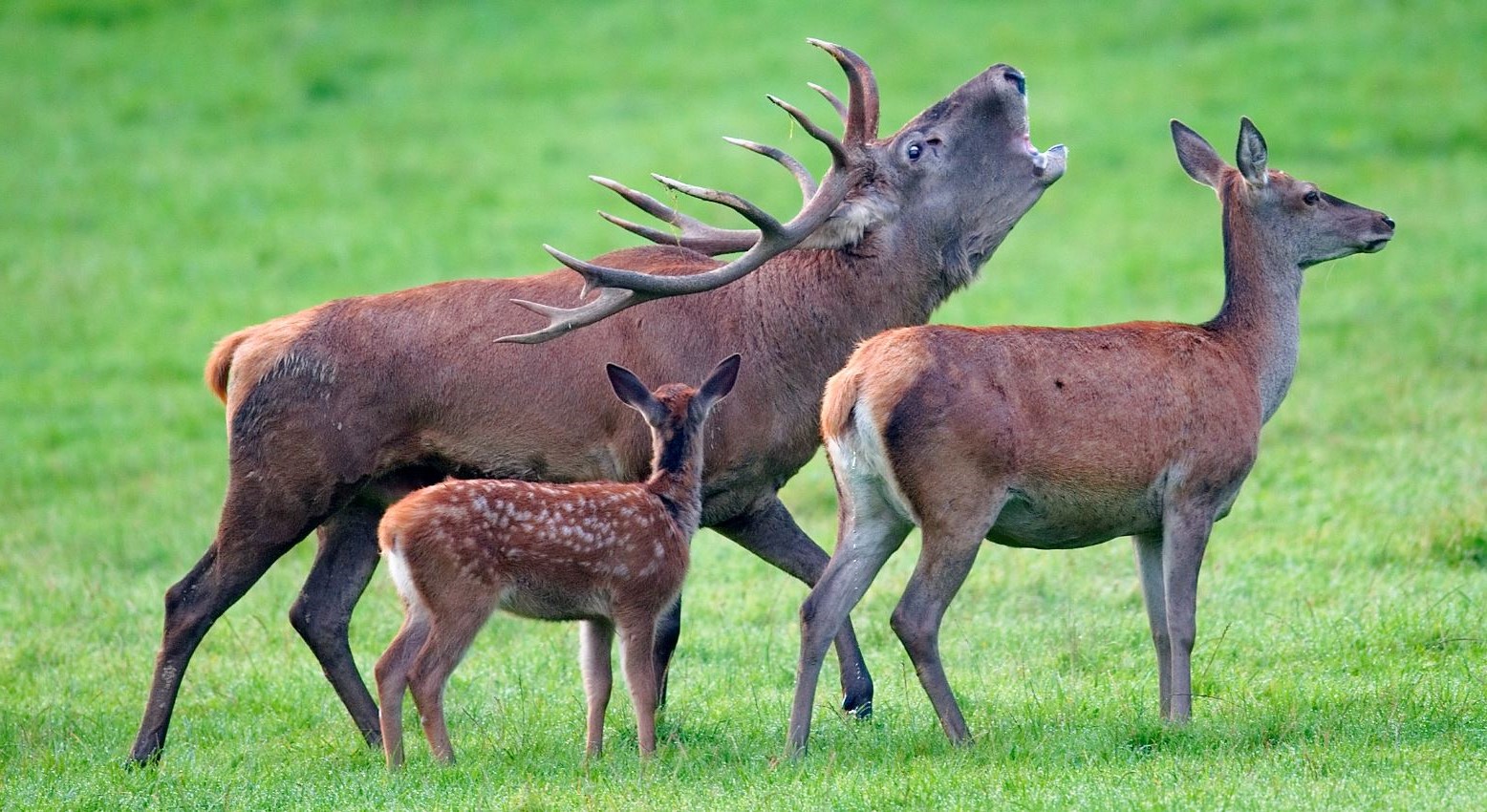
For those who are not hunters, it is no easy task to distinguish between red deer, fallow deer and roe deer. The species occurring in southern Europe and western Asia within the family of deer or cervids (Cervidae) look quite similar. In Israel, red deer were (and are) represented by the Caucasian red deer (Cervus elaphus maral), fallow deer by the Mesopotamian fallow deer (Dama mesopotamica), and roe deer by the Kurdish roe deer (Capreolus capreolus coxi), which today survives only in zoological gardens.
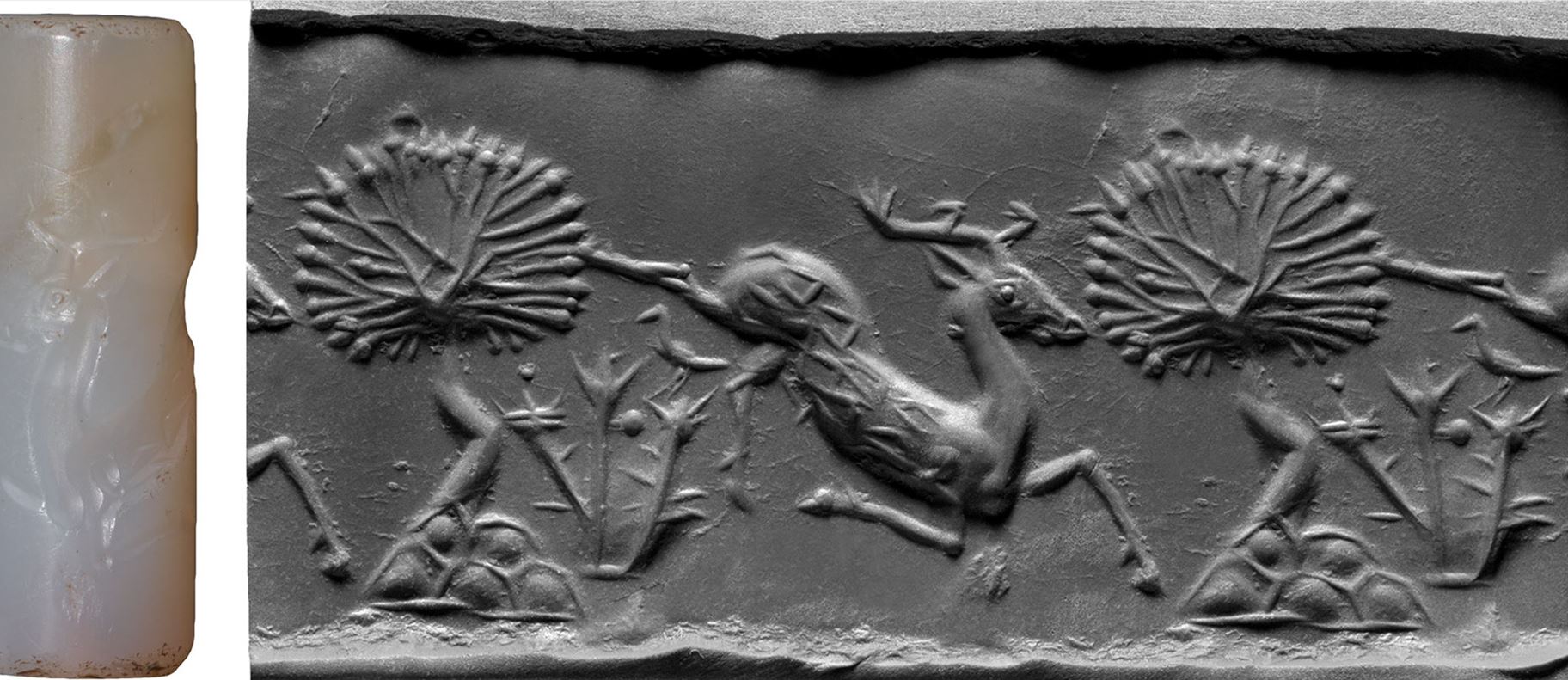
Much suggests that the Hebrew term ajal (11x) denotes the deer in general, ajala / ajelet (10x) the hind, and jachmur (Deut 14:5; 1Kgs 5:3) the fallow deer. Two different places in Israel bear the name Aijalon, «deer field», and Ajjelet, the hind (an obsolete term is «hindin»); it also appears in the heading of Psalm 22. The place-name Ophrah may be derived from the term opher (5x) for the young of deer and gazelles, or it may equally derive from the root afar (sand, dust), perhaps referring to the colour of the coat. The name Tabitha (or Tabea) is translated with the Greek Dorkas (Acts 9:36-40), a term for the roe deer.
Gazelles also belong to the even-toed ungulates (Pecora), but not to the antler-bearers; rather, they belong to the horn-bearers (Bovidae). In behaviour and general appearance, however, they resemble deer, and perhaps they were not clearly distinguished linguistically either. In Israel and the surrounding regions, a whole series of species is native: the Palestine mountain gazelle (Gazella gazella gazella), acacia gazelle (Gazella gazella acaciae), dorcas gazelle (Gazella dorcas), sand gazelle (Gazella marica), and the Persian goitred gazelle (Gazella subgutturosa subgutturosa). All gazelles are antelopes (tribe: Antilopini), but not all antelopes belong to the genus of gazelles (Gazella). The Arabian or white oryx (Oryx leucoryx) and the Mendes antelope or addax (Addax nasomaculatus) are, in the narrower sense, neither antelopes nor gazelles, but belong to the horse antelopes (tribe: Hippotragini). All species are well adapted to life in desert and semi-desert.
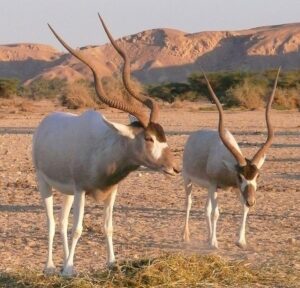
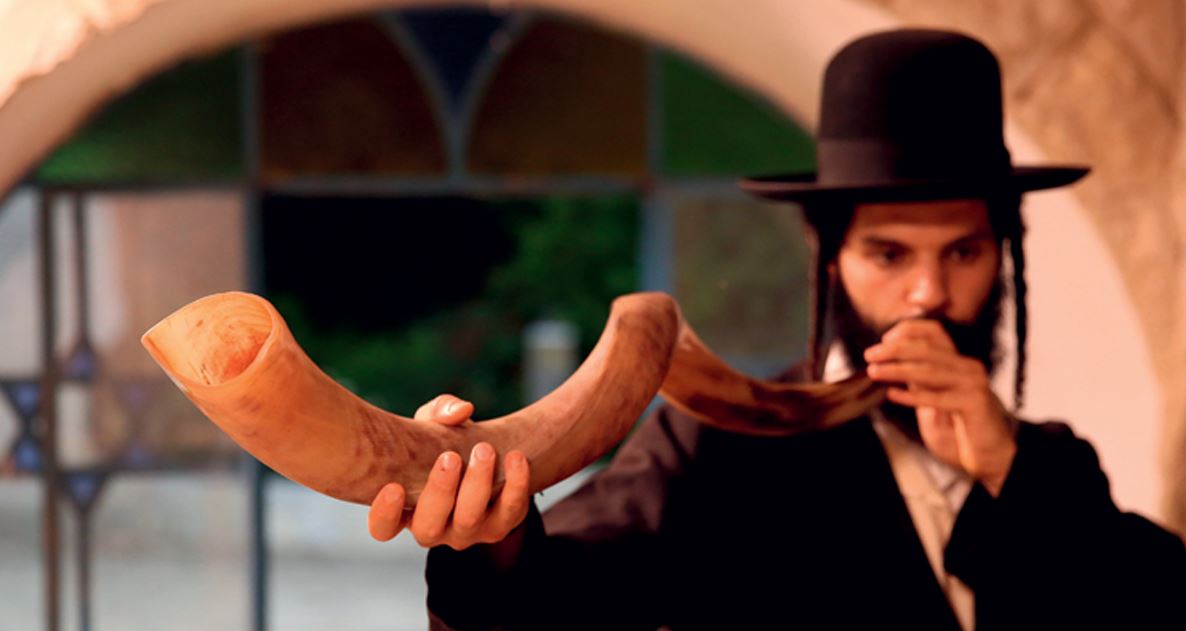
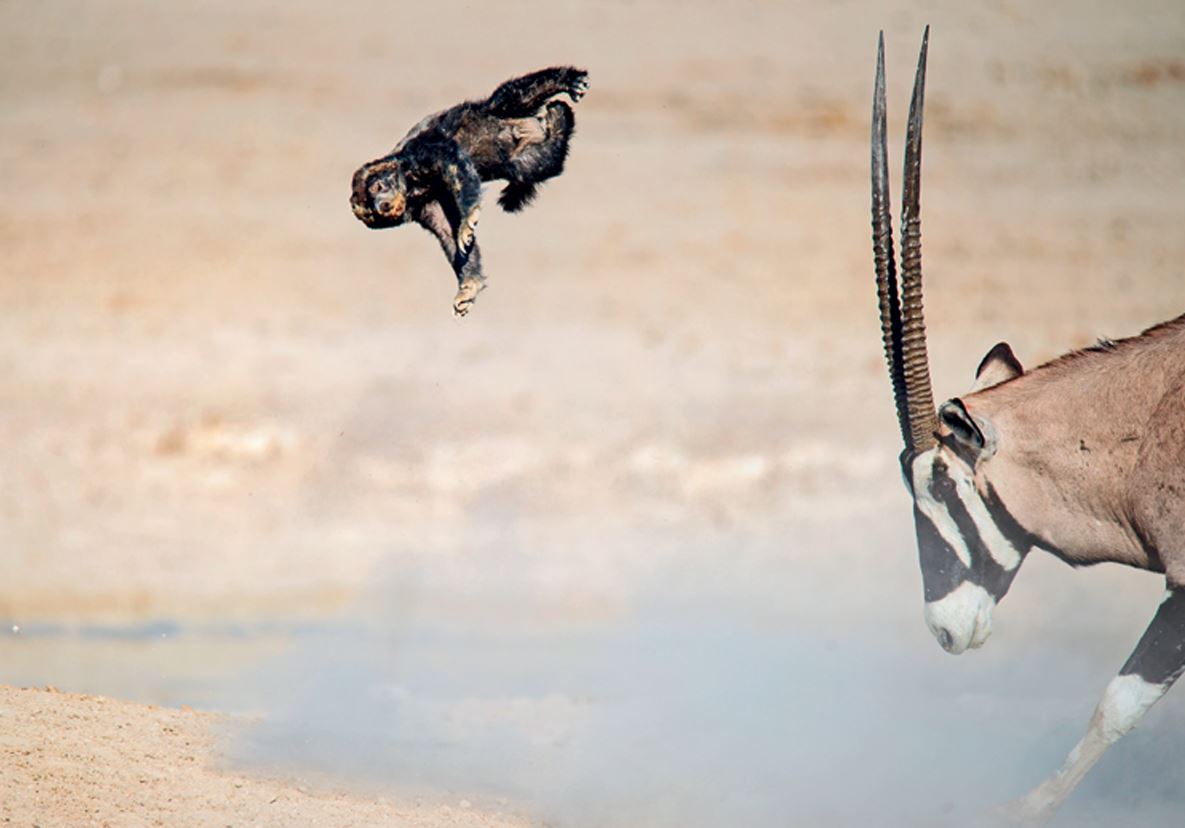
In Hebrew, zebi (14x) denotes the gazelle in general – the word occurs in a further 18 verses with the meaning «ornament, splendour, glory» – while the form zebja (Song 4:5; 7:4) denotes the female animals. It also occurs as Zibja as a male (1Chr 8:9) and a female name (2Kgs 12:2; 2Chr 24:1), and in the plural Zeboim as a place-name (Gen 10:19; 14:2.8; Deut 29:22; Hos 11:8). In the list of returning exiles, the name Pokeret Zebaim also appears – «gazelle-catcher» (Ez 2:57; Neh 7:59). Probably dischon (Deut 14:5), derived from the verb dush (to stamp, to tread), is a designation for the addax and oryx. In contrast to gazelles, which are all flight animals, they defend themselves resolutely with their long horn-spears and powerful hind legs, and sometimes even drive lions into flight. In the forms Dischon and Dischan it occurs a total of twelve times as a male name.
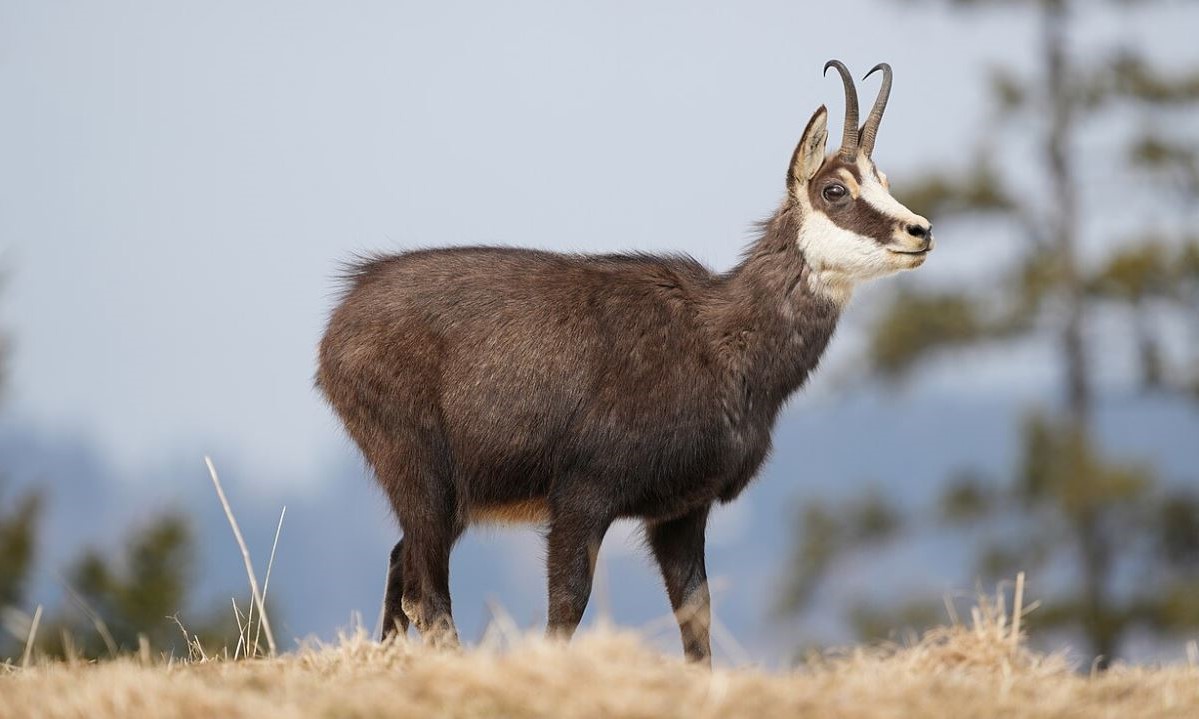
The chamois (Rupicapra rupicapra) occurs mainly in high mountains and was never native to the Near East. It still appears in some translations, but in this case research was not done carefully (e.g. at Deut 14:5; Job 39:1; Prov 5:19).
These species were of greatest significance as huntable game. Any animal that both belonged to the even-toed ungulates and was a ruminant was regarded as clean under Jewish dietary law and could be eaten. The relevant enumerations in the law make no claim to completeness, but are to be understood as examples. In Deuteronomy 14, verse 4 first names the domestic animals, which were also sacrificial animals: «cattle, sheep and goat», and then in verse 5 the wild animals: «deer and gazelle and fallow deer and ibex and antelope and mountain goat and wild sheep». When domestic animals were slaughtered at home without this being part of a sacrificial act, it is therefore said that they were eaten «like gazelle and deer» (Deut 12:15.22; 15:22).
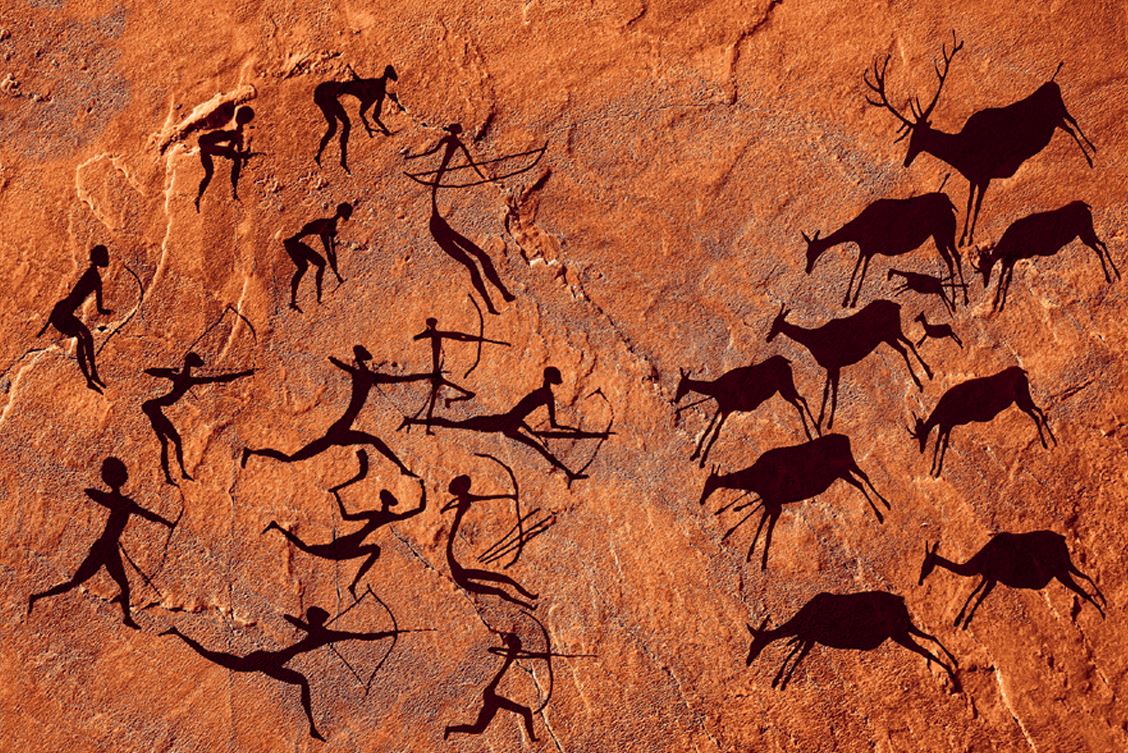
The Hebrew name Kenas (11x) means «hunter», as does the word zajid (Gen 10:9; also zajad: Jer 16:16), which also denotes hunting (Gen 27:30) and in many verses the quarry (e.g. Gen 27:3). It is derived from the verb zud (to hunt, to catch), but later it was also used in a more general sense for provisions (Jos 9:5.14) or foodstuffs (Neh 13:15). A more specific word for game from the same root is ziz (Ps 50:11; 80:14).
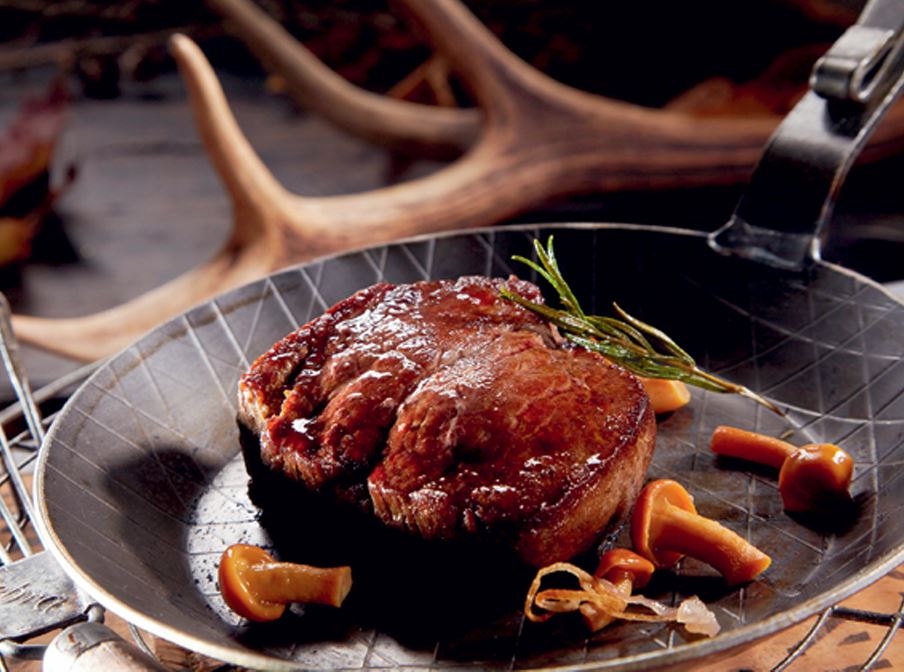
For centuries, game was regarded as a particularly noble food, and the species that belonged to «high game» in Europe were even reserved for the nobility. No wonder, then, that «deer, gazelles and fallow deer» (1Kgs 5:3) are also listed among the daily consumption of Solomon’s royal table.
The prevailing ideal of beauty varies from culture to culture and is also subject to constant change. What, then, are we to imagine concretely when it says, for example: «Rachel was shapely and beautiful» (Gen 29:17)? Because of the prohibition of images – «Do not make for yourself an image of anything in heaven, on earth, or in the sea» (Exod 20:4) – there are only few paintings or sculptural depictions from ancient Israel. The representations of neighbouring ancient cultures show almost exclusively slender, tall people. Since this is also the case with depictions of rulers and high-ranking personalities, who were generally idealised in the patron’s interest, one may assume that this corresponded to the general wish-image.
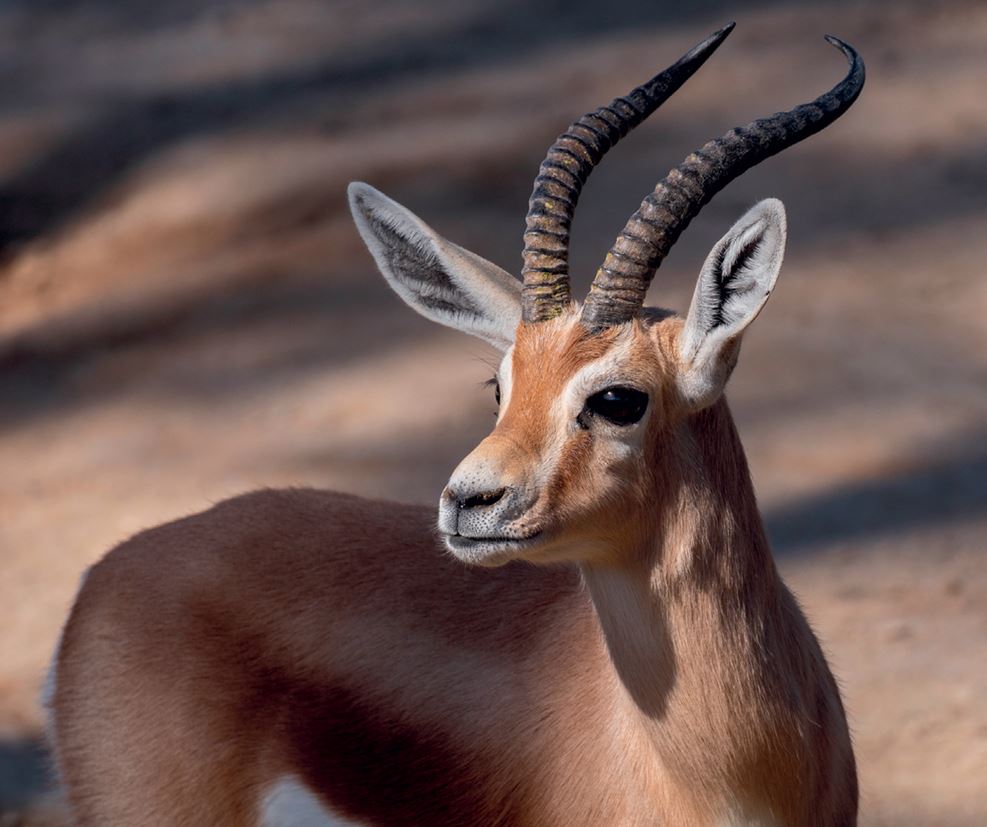
Instead of graphic and sculptural depictions, we have – so far as Israelite aesthetics are concerned – some linguistic images in the Bible: «She is like a lovely gazelle, like a graceful doe. Let her breasts intoxicate you always; let her love continually captivate you» (Prov 5:19), «My beloved is like a gazelle or a young stag» (Song 2:9), and «Your two breasts are like two fawns, twins of a gazelle, that graze among the lilies» (Song 4:5). Probably the reference to deer and gazelles can be regarded as evidence that their outward appearance reflected the beauty ideal of that time: slender, trained and firm bodies, long, slim legs and necks, clear, smooth complexion, high cheekbones, finely cut features, large eyes, and graceful movements. That comes quite close to the prevailing body ideal today, so we may assume that we too would describe a young woman like Rachel as attractive.
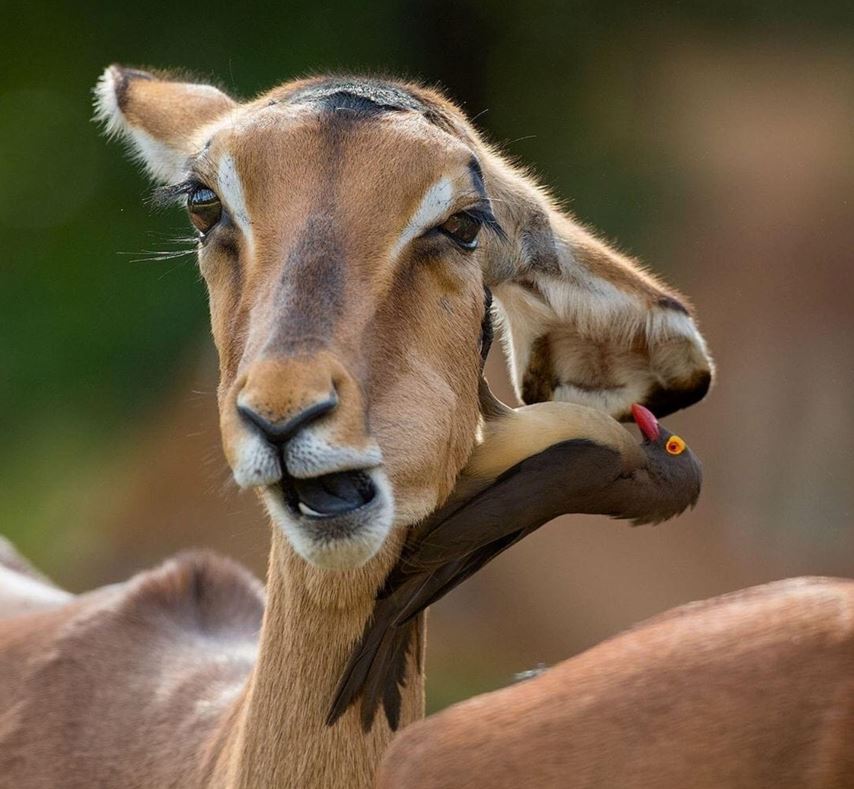
Regardless of how ideals and fashions develop, it is good to remember God’s criteria: «I judge by different standards than people do. People look at what they can perceive with their eyes; I, however, look into the heart» (1Sam 16:7). This also applies with regard to female attractiveness, which is indeed highlighted in the Bible. In the description of the «ideal woman» in Proverbs 31:10-31, many characteristics are listed, but nothing is said about her appearance. And with regard to excessive styling it says: «Do not worry about outer beauty based on fashionable hairstyles, expensive jewellery, or beautiful clothes. Your beauty should come from within – this is the imperishable beauty of a gentle and quiet heart, which God values so highly» (1Pet 3:3.4). Even of the Lord Jesus it is prophetically said: «He had no form and no splendour that we should look at him, and his appearance was not such that we should desire him» (Isa 53:2). Although He impressed no one by His outward appearance, He found «favour with God and with people» (Lk 2:52). In a society shaped by «body cult» and «youth obsession», the Bible helps us attain a balance in which we thank our Creator for beauty and health, while also accepting what is less pleasing from His hand and not overvaluing it.
The process of birth in antelopes and gazelles is in principle no less complicated than in humans. It is described as follows: «They crouch, they bring forth their young, they cast off their labour pains. Their young grow strong, they grow up in the open; they go out and do not return to them» (Job 39:3.4). The animals instinctively know how to behave so that this process can be completed extraordinarily quickly. Thus they are in the helpless situation of being unable to spring up and flee immediately, should a predator appear, only for a short time. The newborn young are very quickly on their feet and able to run on their own. What a wonder that is – compared with the training a newborn human needs before taking his first wobbly step!
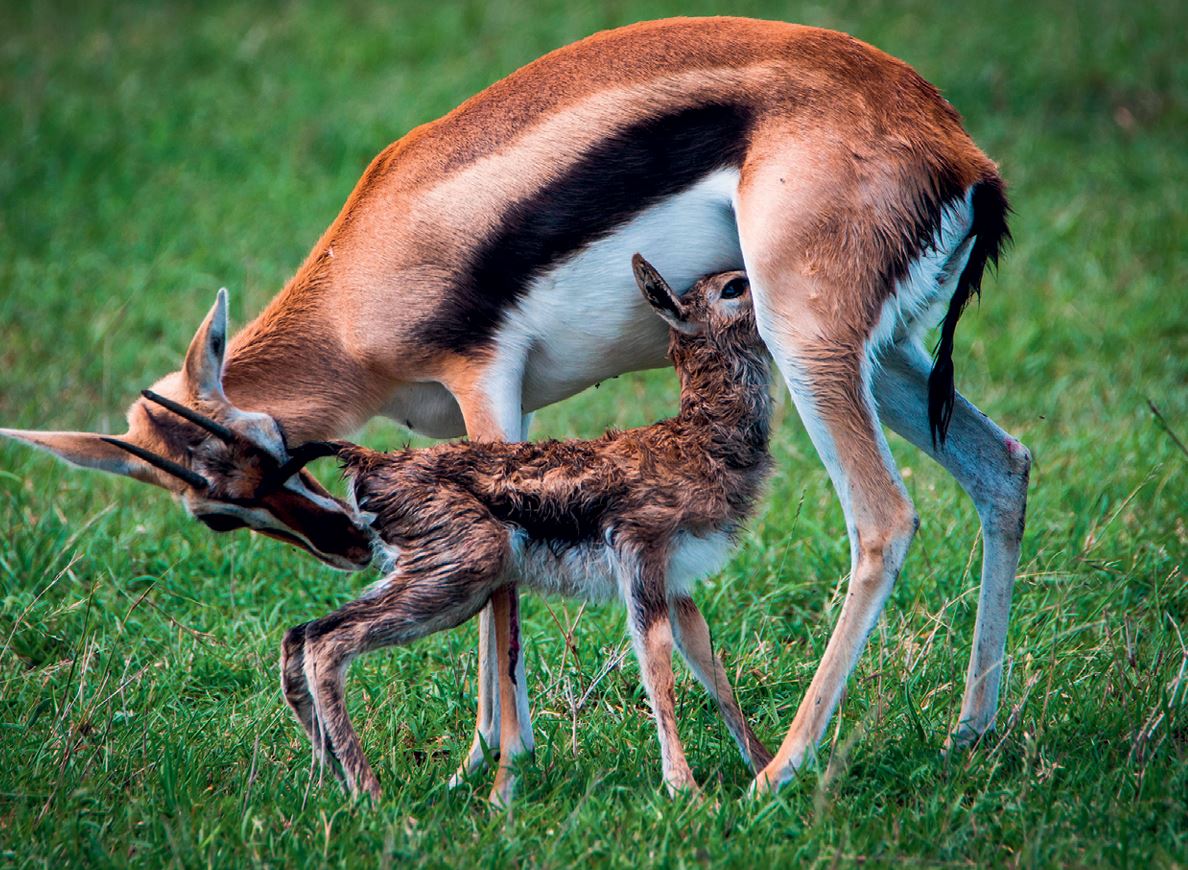
With roe deer it is different. In the first period the fawn is helpless. The mother hides it in tall grass, where it can hardly be discovered. Since it has no individual scent yet, predators cannot smell it. Its excretions are completely taken up by the mother, and even the grass that has received some of it is carefully grazed so that no scent trails remain.
The speed and apparent effortlessness with which the lightly built deer and gazelles bound along impress every observer. In the chapter on cheetahs, mention was made of Thomson’s gazelles, which sprint up to 90 km/h and are thus the fastest grazing animals. This species does not occur in Israel, but the other antelopes scarcely lag behind. When one of King David’s top elite fighters is said to be «Asahel, who could run as fast as a gazelle» (2Sam 2:18), and of an entire group of warriors: «they were as swift as the gazelles on the mountains» (1Chr 12:9), these are powerful comparisons (though certainly not to be taken literally). One of Jacob’s blessings over his sons and their descendants already reads: «You, Naphtali, are like a hind set free, running on the mountains» (Gen 49:21). Besides their speed, deer and gazelles are even more to be envied for their agility and light-footedness – if only we too could overcome obstacles so effortlessly! Perhaps David had this picture in mind when he wrote: «with my God I can leap over a wall» (2Sam 22:30; Ps 18:30). In the «Psalm of Habakkuk» it says: «Yes, God the LORD makes me strong; He gives wings to my steps; like a deer I can leap over the mountains» (Hab 3:19). Their elegant leaps seem exuberant and free, as described in this glorious vision of the future: «then the lame will leap like a deer, and the tongue of the mute will shout for joy» (Isa 35:6).
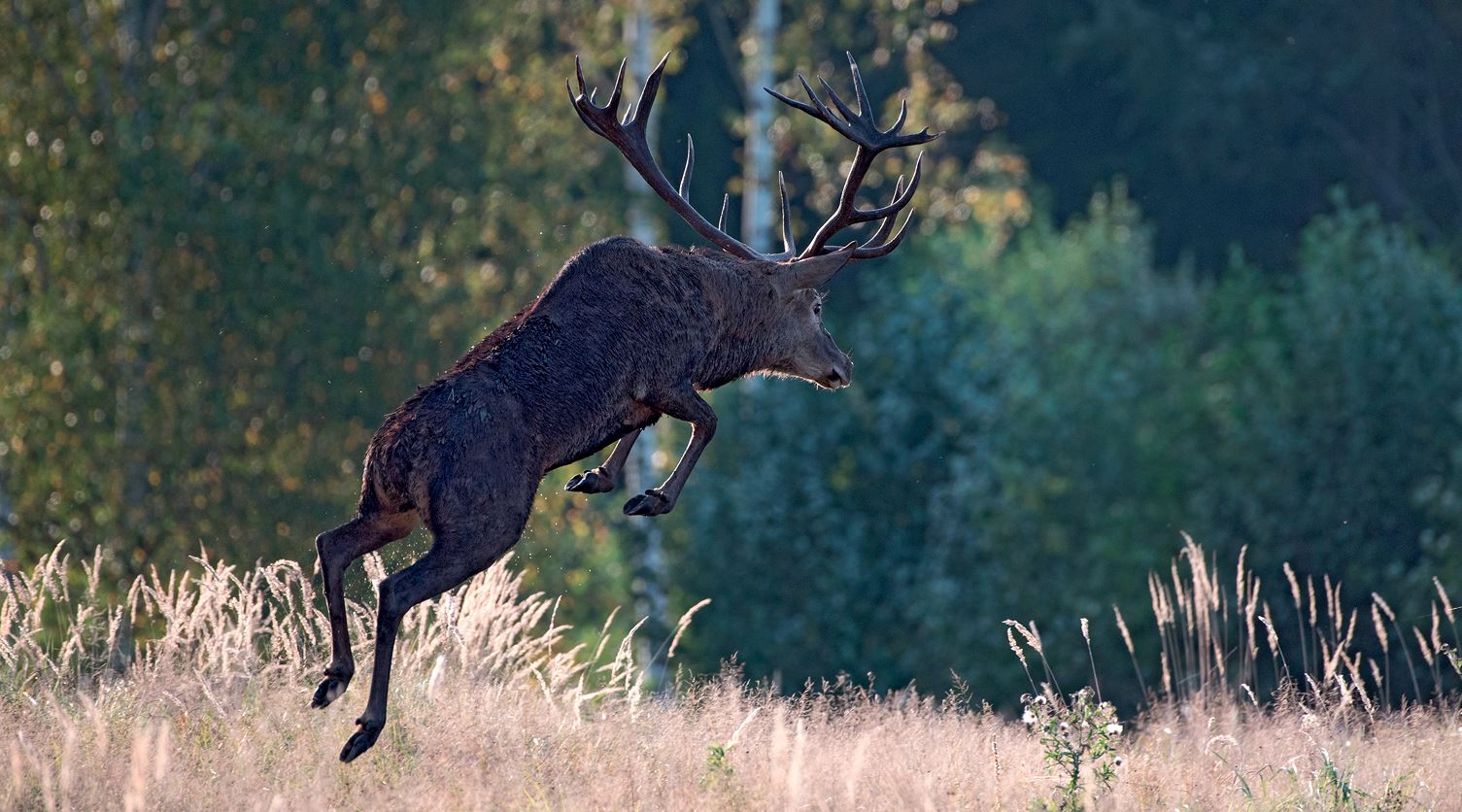
The Bible, however, does not paint a one-sided picture of a carefree existence. In contrast to antelopes, which are adapted to an extremely dry habitat, deer need much water and suffer in drought: «As the deer longs for streams of water, so my soul longs for you, O God!» (Ps 42:2). Moreover, they need fresh grass. When the pastures dry up, they begin to wander and perish if they do not find rich grazing grounds in time: «And from the daughter of Zion all her splendour has departed; her princes have become like deer that find no pasture, and powerlessly they went before the pursuer» (Lam 1:6). The young can be nursed only if the females get enough food. Otherwise milk production stops and the fawns must be left behind: «Yes, even the hind in the field gives birth and abandons her young; for there is no grass» (Jer 14:5).
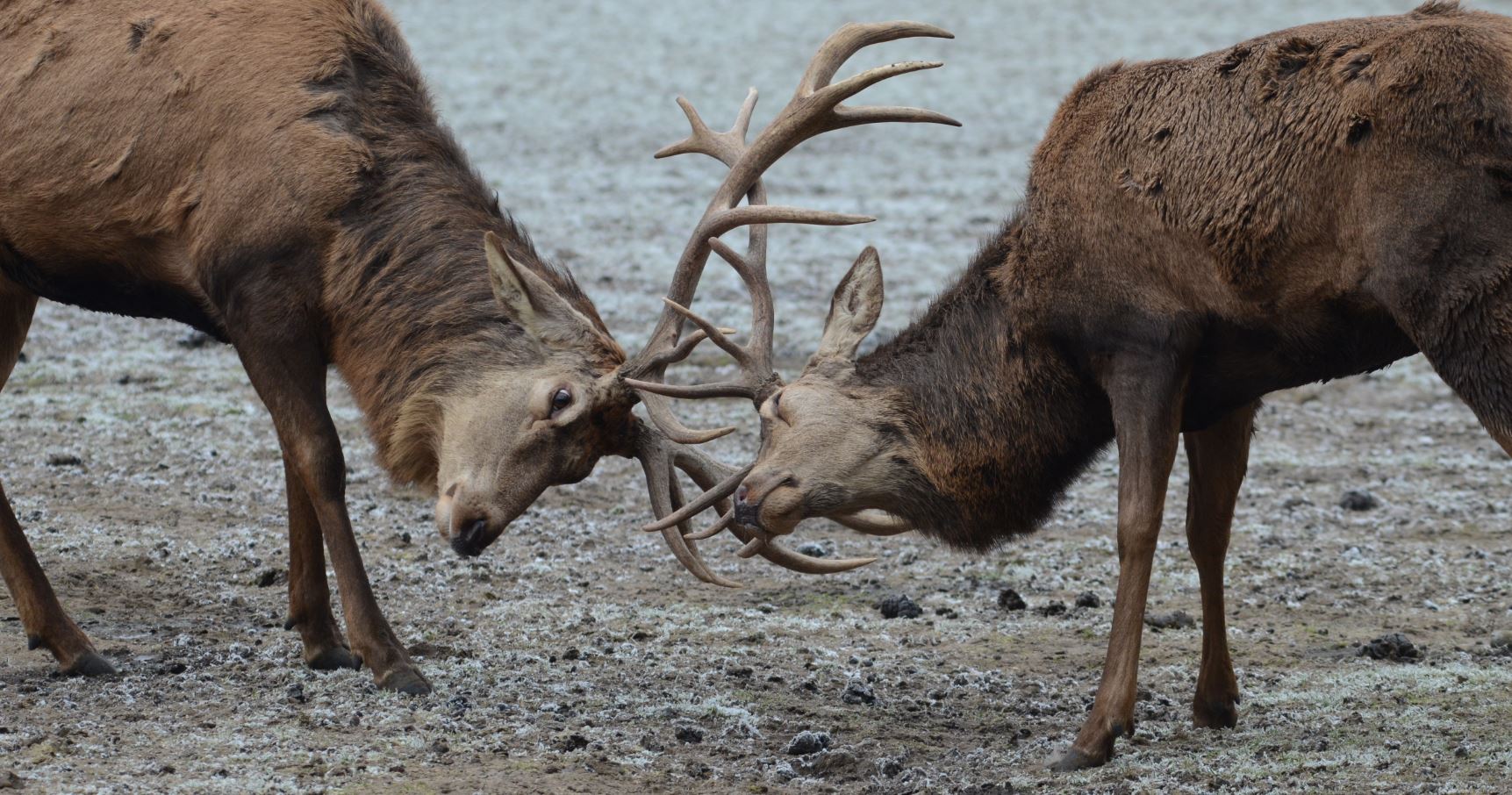
Deer and antelopes are indeed forehead-weapon bearers and can look threatening with their pointed antlers, but they use these weapons mainly to fight out their rivalries among themselves. Because of their lightweight build and vulnerability, they have little chance even against much smaller predators and flee until they are out of sight. This picture of panicked flight is taken up to describe how an army is defeated: «Then all people scatter like startled gazelles … Everyone tries to flee back to his homeland and to his people. Whoever is discovered and caught while fleeing is stabbed with the sword» (Isa 13:14.15). In their defencelessness they mirror human beings in the face of God’s judgement: «At all the street corners your children lay helpless, like antelopes in a net, overwhelmed by the wrath of the LORD» (Isa 51:20).
Moving is how this image is applied to the Lord Jesus: the motif of Psalm 22 is given in the heading: Ajjelet haSchachar – the hind of the dawn. It describes the experience of a person who feels like a hind hunted almost to death. Not only tearing and roaring lions (v. 14.22), dogs and marauders (v. 17.21), but also wild bulls (v. 13.22) are among the pursuers. The situation appears hopeless – and yet there is rescue, and for the escaped animal a new morning and a new day dawn. Since the psalm is quoted in the New Testament (Matt 27:43.46; John 19:24) and the sufferings associated with a crucifixion are described in it with astonishing accuracy, the earliest Christians already recognised its prophetic character and saw in it the death of Jesus (v. 1-22a) and His victory in the resurrection (v. 22b-32). Just as the defenceless hind carries no antlers, He was unarmed and did not even flee, but allowed Himself to be arrested without resistance and led to execution.
Sources:
Mankarios, A: Schönheitsideale im Wandel der Zeit. Wissen.de, 10.10.2021; https://www.wissen.de/schoenheitsideale-im-wandel-der-zeit
Riesch, R; Martin, RA; Lerp, H: Size and sex matter: reproductive biology and determinants of offspring survival in Gazella marica. Biological Journal of the Linnean Society 2013; 110(1):116–127; doi: 10.1111/BIJ.12121
Stücklschweiger, M: Schönheit im Wandel der Zeit. Bachelorarbeit Universität Graz, 15.01.2015
Image Credits:
Wikipedia: chamois / Giles Laurent // Mendes antelope / MathKnight // impala with oxpecker / Muhammad Mahdi Karim // red deer family / Lviatour // fighting deer / eike
Other licences: title – red deer in ferns / shutterstock ID_410889532 / MZPHOTO. CZ // Jew with shofar horn / shutterstock ID_1166123968 / David Cohen 156 // gemsbok flings honey badger away / shutterstock ID_1651459831 / Dirk Theron // venison loin / shutterstock ID_1367217872 / stockcreations // dorcas gazelle / shutterstock ID_1491167945 / Azahara Perez // birth of a gazelle / shutterstock ID_765823813 / Maks Maria // leaping deer / shutterstock ID_1828916597 / Rolands Linejs // hunting scene cave painting / shutterstock ID_2083366819 / maradon 333