Two Hebrew animal names posed riddles for a long time and are translated in German Bibles as mole, weasel, rat, or shrew. Only a more thorough investigation of Near Eastern fauna finally shed light on the matter.
Which animal is actually denoted by the Hebrew terms choled (Lev 11:29) and chafor perot (Isa 2:20), both derived from the verb «to dig»? – None of the proposed translations truly fits. Moles (Talpidae) did not and do not occur in Israel or anywhere in the Near East, and in particular the European mole (Talpa europaea), which immediately comes to mind, requires entirely different living conditions and never made it to Israel. Weasels, polecats, minks, and martens also require a habitat rich in cover, wooded, more humid, and cooler, and were never native to Israel.
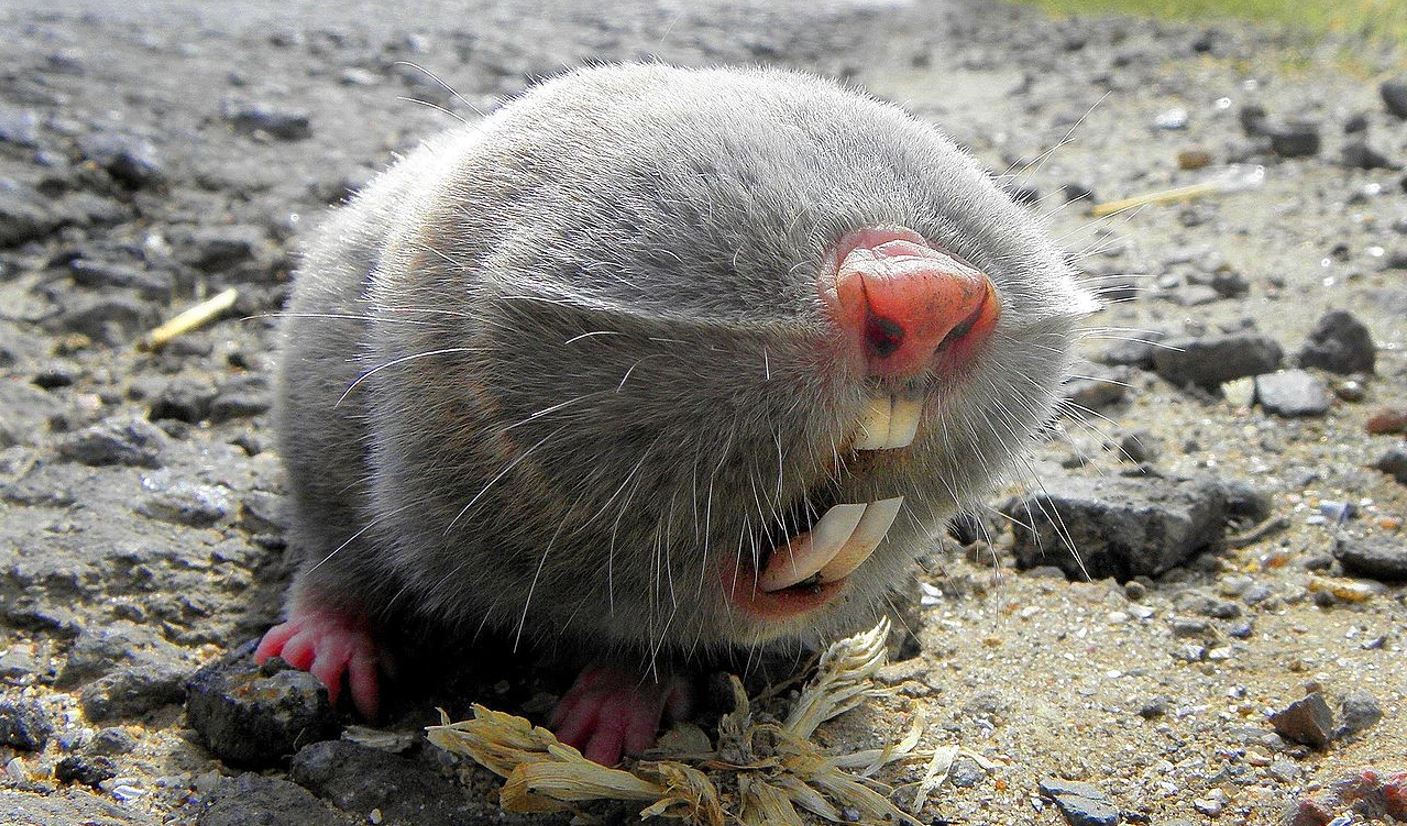
Their ecological niche there is occupied by felines and snakes. One exception is the Syrian marbled polecat (Vormela peregusna syriaca), which has occasionally been observed. It was, however, most likely already referred to in ancient times in Hebrew as nimshi – as evidenced by the corresponding name Nimshi (1Kgs 19:16; 2Kgs 9:2, 14, 20; 2Chr 22:7). Rats, in turn, were not distinguished from mice in most ancient languages; mice are mentioned separately and will be discussed later. Shrews, which biologically are not rodents, were probably also counted among mice because of their similarity. They are represented in Israel by two species; however, one would hardly prepare either the Asian house shrew (Suncus murinus) or the Etruscan shrew (Suncus etruscus) – which, at a maximum weight of three grams, is the smallest mammal on earth – as food. Moreover, both species are rare there and occur only in a few regions.
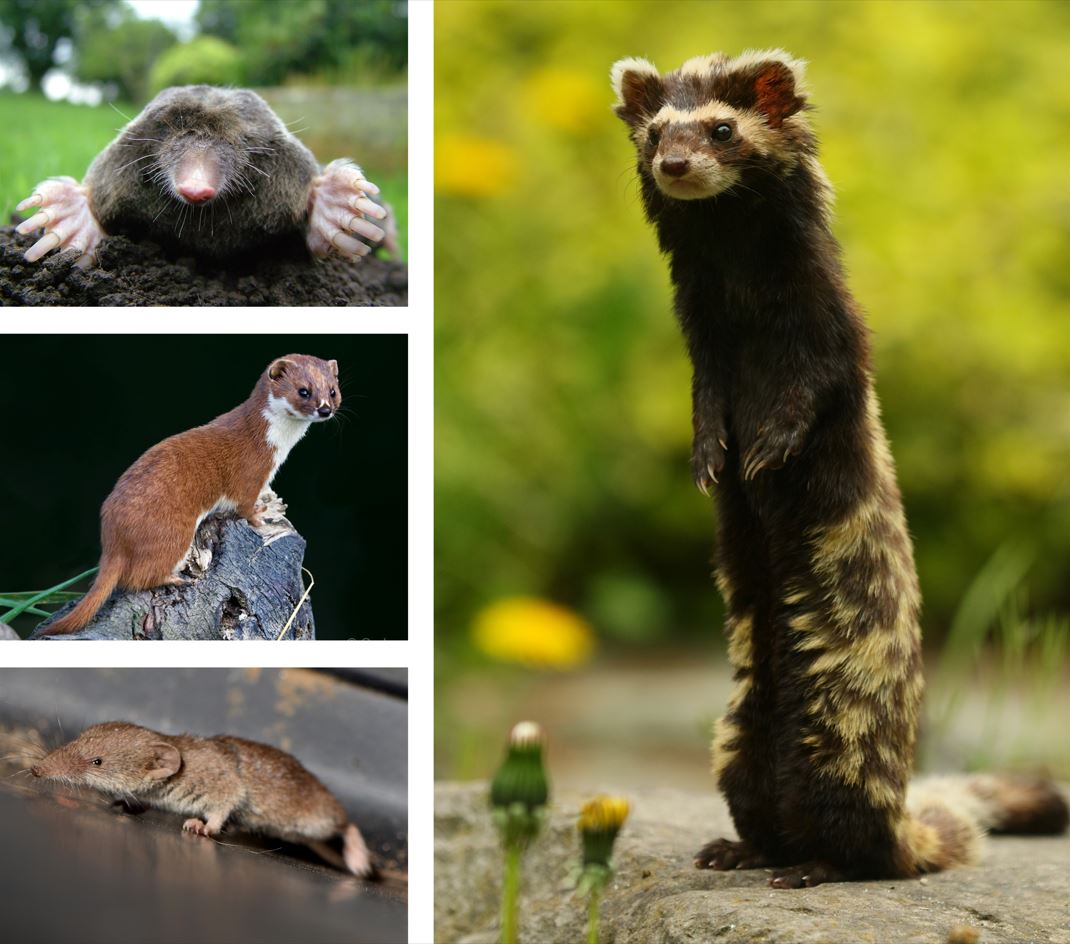
Even if the chapter heading allows room for speculation, the mole rat – also known as the Near Eastern or Ehrenberg’s blind mole rat (Nannospalax ehrenbergi) – seems to be the perfect candidate. The German research traveler Christian Gottfried Ehrenberg (1795–1876) provided the first scientific description of these remarkable animals in his multi-volume work Symbolae physicae, classifying them within the family of blind mole rats (Spalacidae) and the order of rodents (Rodentia). From a biological perspective, there would be many interesting things to report about them.
For example, the chromosome number of blind mole rats varies enormously. This led researchers to define four different species of mole rats in Israel alone, according to their local distribution: on Mount Carmel (N. carmeli); in Upper Galilee (N. galili); on the Golan Heights (N. golani); and in the Judean Mountains (N. judaei). Each was considered endemic, meaning it occurs worldwide only in this small area. Because they spend their entire lives underground and move exclusively within their tunnels, many natural barriers isolate the individual groups from one another. When it was later discovered that they can all interbreed and produce fertile offspring (despite their different chromosome numbers!), the four newly proposed species names were abandoned.
They are the only mammals that are truly completely blind. While moles or naked mole rats, with their tiny button-like eyes, are at least capable of distinguishing light from dark, the eyes of blind mole rats – although fully developed – lie beneath the skin. They were long considered entirely nonfunctional, until it was found that the animals can no longer maintain their circadian rhythm if the eyes are surgically removed.
They live in complete darkness and possess extraordinary abilities to perceive sound and vibration. In addition, they orient themselves using an internal compass aligned with the Earth’s magnetic field. Their bodies are cylindrical, and their digging tools – the broad incisors – protrude from the mouth even when the jaws are closed. They live for more than twenty years and, because of their ability to eliminate cancer cells at an early stage, are ideal experimental animals, as they practically never develop tumors. Researchers hope that studying this mechanism will yield new approaches in the fight against this disease.
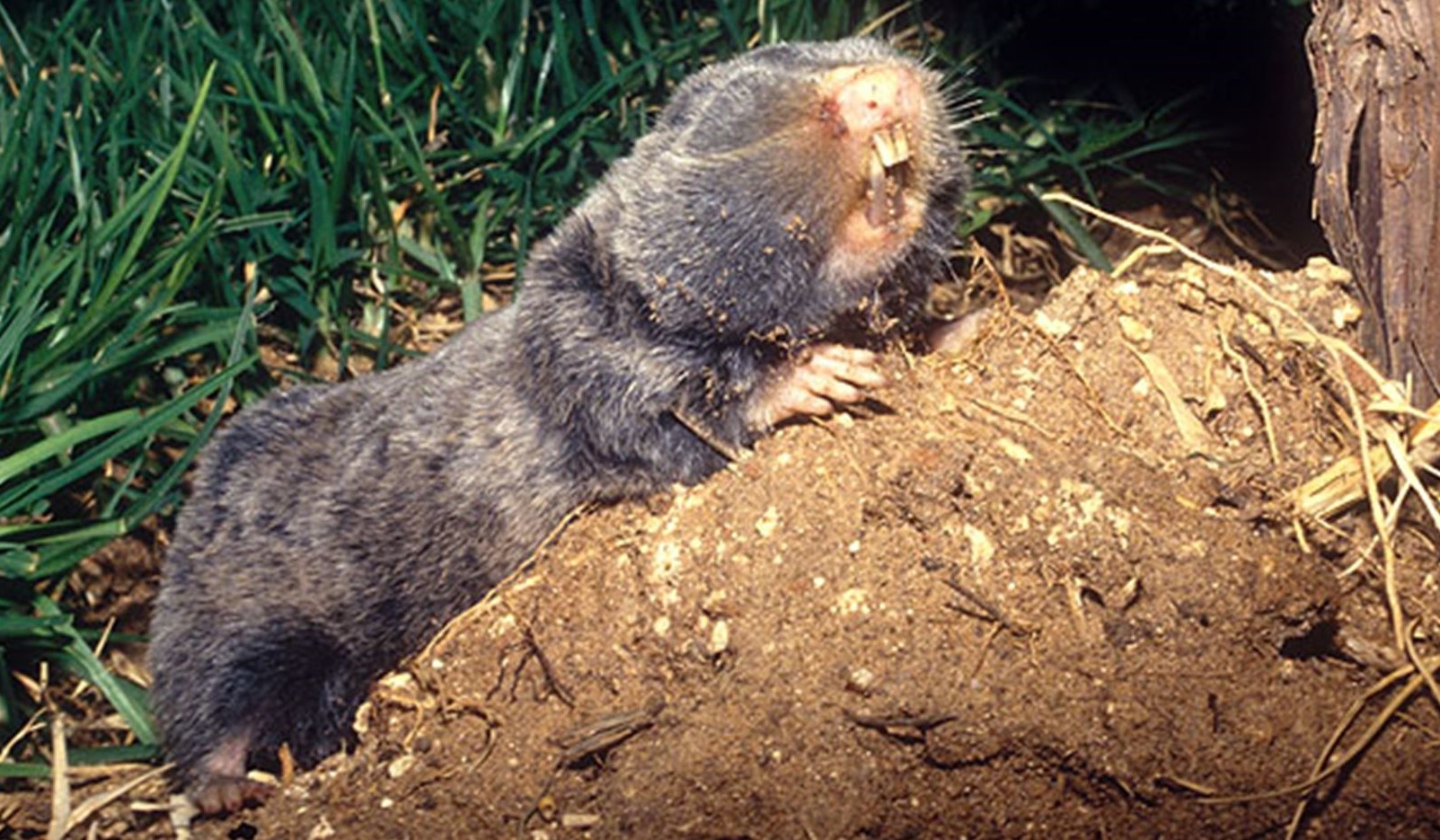
Since the blind burrowing masters are mentioned only in passing in the Bible, they do not really deserve more space here. One more thing should be noted: the feminine form of choled is chulda – the name of the prophetess Huldah (2Kgs 22:14; 2Chr 34:22). But why would parents do that to their daughter? That seems unlikely. Possibly her name may instead be derived from cheled, an ancient word for «life». That would give it a beautiful meaning, as in this verse: «Your life will arise brighter than noon; though it be dark, it will become like the morning» (Job 11:17). One last point must be mentioned: in the passage from Isaiah, the mole rat is associated with buried works of art: «In that day mankind will cast away their idols of silver and their idols of gold, which they made for themselves to worship, to the moles and to the bats» (Isa 2:20). Indeed, after the destruction and decline of human settlements, many artifacts are later rediscovered just beneath the surface, at depths of up to one meter. That is precisely the territory of the mole rat. A special twist is that today these unattractive animals are helping archaeologists locate interesting excavation sites. Like the European mole, they deposit the excavated soil from their tunnels on the surface as «molehills».
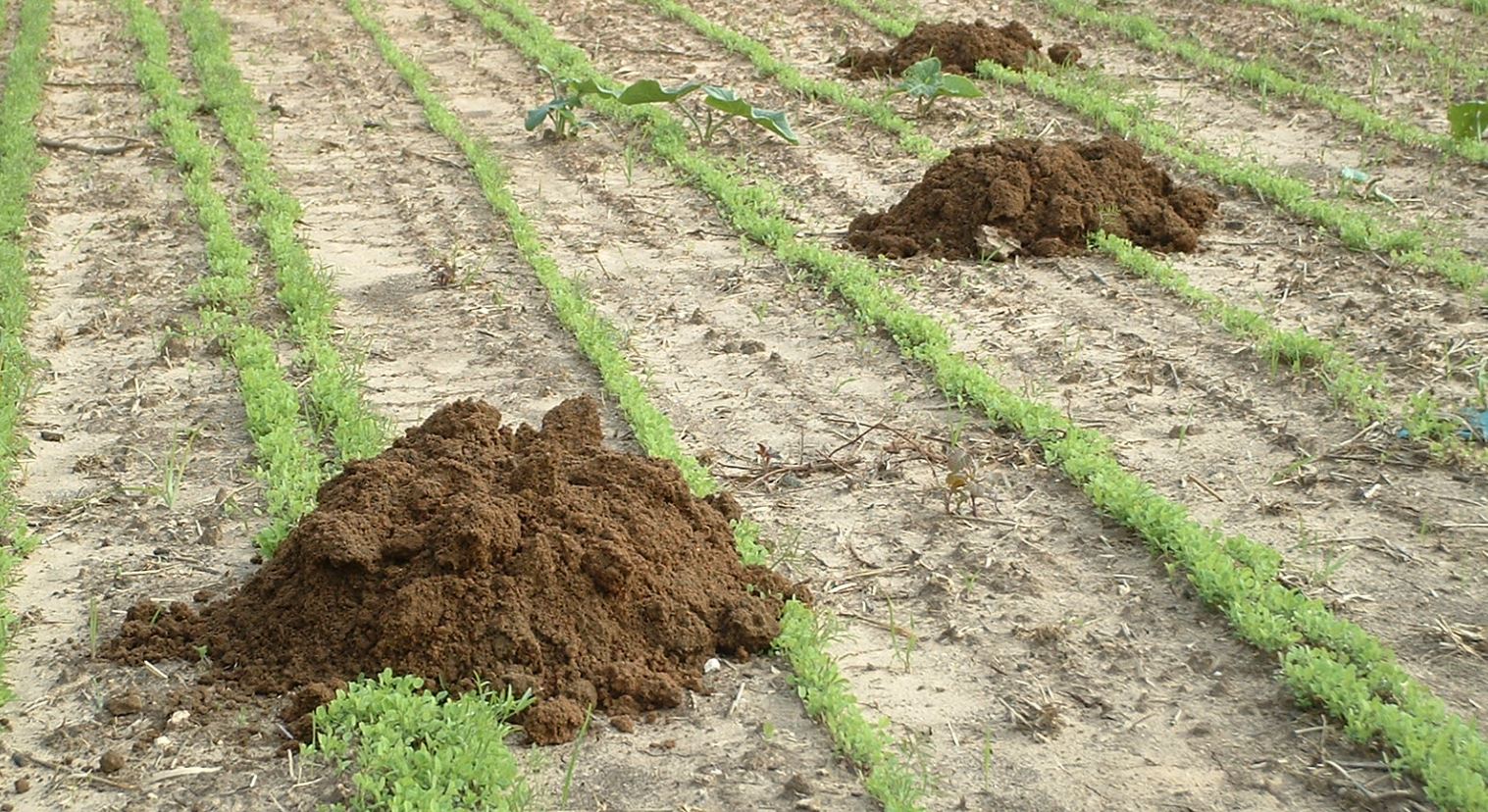
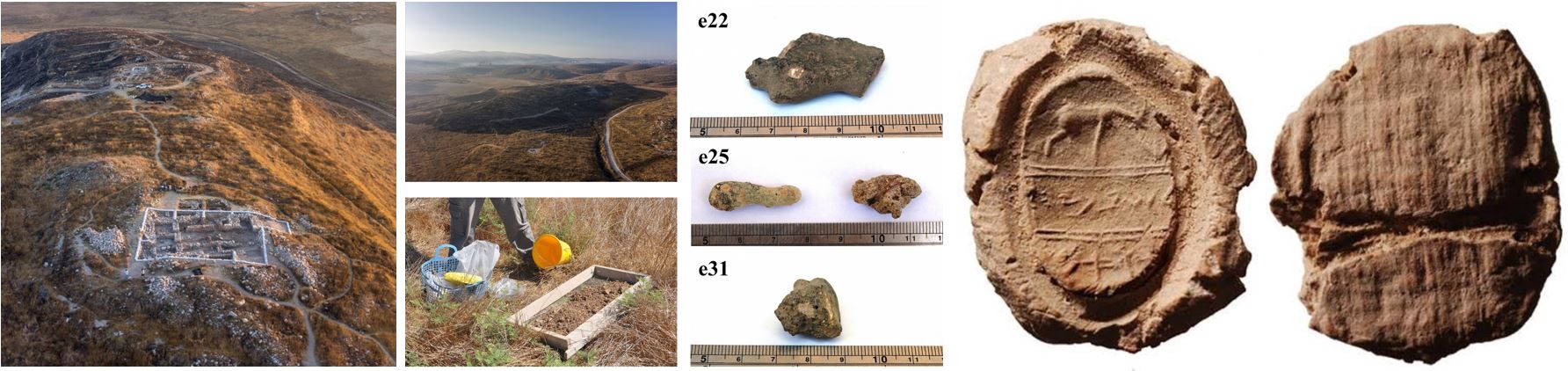
Scientists have found that observing these spoil heaps can provide valuable clues. When, in 2010, they discovered not only pottery shards – which are found almost everywhere in an ancient and densely settled cultural landscape like Israel – but also pieces of glass and metal slag in several mounds 25 km northeast of Beersheba, they excavated that area with precision and uncovered Tel ’Eton, the biblical Eglon (Jos 10:34).
Sources:
Borschel-Dan, A: Blind, bucktoothed mole-rats just might be archaeologists’ new best friends. The Times of Israel 04.06.2018; https://www.timesofisrael.com/blind-bucktoothed-mole-rats-just-might-be-archaeologists-new-best-friends
Faust, A: The Excavations at Tel ‘Eton (2006–2009): A Preliminary Report. Palestine Exploration Quarterly 2011; 143:3:198-224; doi: 10.1179/003103211X13092562976171
Gorbunova, V; Hine, C; Tian, X: Cancer resistance in the blind mole rat is mediated by concerted necrotic cell death mechanism. Proceedings of the National Academy of Sciences 2012; 109(47):19392-19396; doi: 10.1073/pnas.1217211109
Hasson, N: Did King David’s United Monarchy Exist? Naked Mole Rats Uncover Monumental Evidence. Ha’aretz 16.04.2018; https://www.haaretz.com/archaeology/2018-04-16/ty-article-magazine/.premium/molerat-archaeology-supports-united-monarchy-theory-says-new-study/00000180-179c-db53-a3aa-179c770e0000
Kimchi, T; Terkel, J: Magnetic compass orientation in the blind mole rat Spalax ehrenbergi. Journal of Experimental Biology 2001; 204(4):751-758; doi: 10.1242/jeb.204.4.751
Sanyal, S; Jansen, HG; de Grip; WJ: The eye of the blind mole rat, Spalax ehrenbergi. Rudiment with hidden function? Investigative Ophthalmology & Visual Science 1990; 31(7)1398-1404; https://iovs.arvojournals.org/article.aspx?articleid=2160417
Sapir, Y; Faust, A: Utilizing Mole-Rat Activity for Archaeological Survey: A Case Study and a Proposal. Advances in Archaeological Practice 2016; 4(1):55-70. doi: 10.7183/2326-3768.4.1.55
Wagner-Nagy, T: Forscher finden Anti-Krebs-Hormon in Blindmäusen. Spiegel Wissenschaft 07.11.2012; https://www.spiegel.de/wissenschaft/natur/hormon-macht-blindmaeuse-immun-gegen-krebs-a-865854.html
Image Credits:
Wikipedia: Mole rat / Nannospalax.jpg / Максим Яковлєв / 199-1: European mole / Close-up_of_mole.jpg / Michael David Hill / 199-1: Least weasel / Mustela-nivalis.jpg / / 199-1: Etruscan shrew / Shrew (Crocidura sp) 01.jpg / Lies Van Rompaey / 199-1: Syrian marbled polecat / (6604) Marbled polecat.jpg / zoofanatic / 200-1: Near Eastern blind mole rat / Palestine Mole-rat 1.jpg / Bassem18
other licenses: Clay bulla from Tel-Eton / Tonbulle_Tel-Eton.jpg / Zev Radovan