The pig appears almost everywhere in even the earliest archaeological layers as both a domesticated animal and hunted game. In many cultures, «the poor sow» occupies the very lowest rung of contempt among animals. Under Jewish law it was an unclean and forbidden animal – a taboo that has long been puzzled over – and yet it was always present in Israel as well.
Fossil bones in caves of the Carmel range and at the Sea of Galilee show that pigs were probably on the menu of the first immigrants soon after the Flood. Palaeontologists assigned the finds to the Pleistocene and gave the extinct subspecies its own name: Sus gadarensis. However, it remains unclear how this fossil form differed from those living today. By now it has become clear instead that all European and Near Eastern pigs constitute a single, diverse species, Sus scrofa, and that many subspecies exist only on paper.
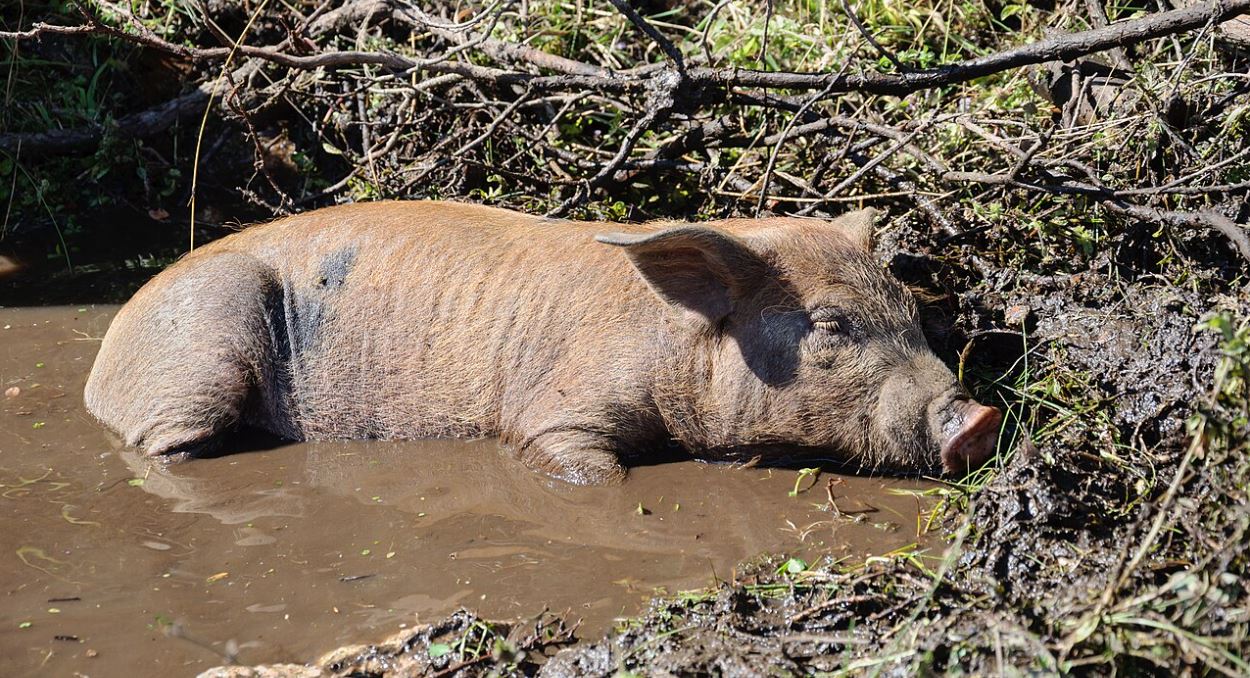
As far as the wild forms are concerned, one distinguishes Sus scrofa libycus (the Near Eastern wild boar, which was distributed from southern Turkey to Israel and Palestine, but was exterminated by hunting) and Sus scrofa attila (the Carpathian wild boar, the largest living subspecies of pig, native to the Caucasus, southeastern Europe, Asia Minor, northern Persia, and along the northern coast of the Caspian Sea). The domestic pig (Sus scrofa domesticus), which by now differs quite markedly in outward appearance, has indeed been kept as livestock since time immemorial, but has been selectively bred only in the last three centuries. Before that, because pigs were kept predominantly in forested areas, crossbreeding with wild boar occurred repeatedly, which made controlled breeding impossible and left domestic pigs very similar to their wild cousins.
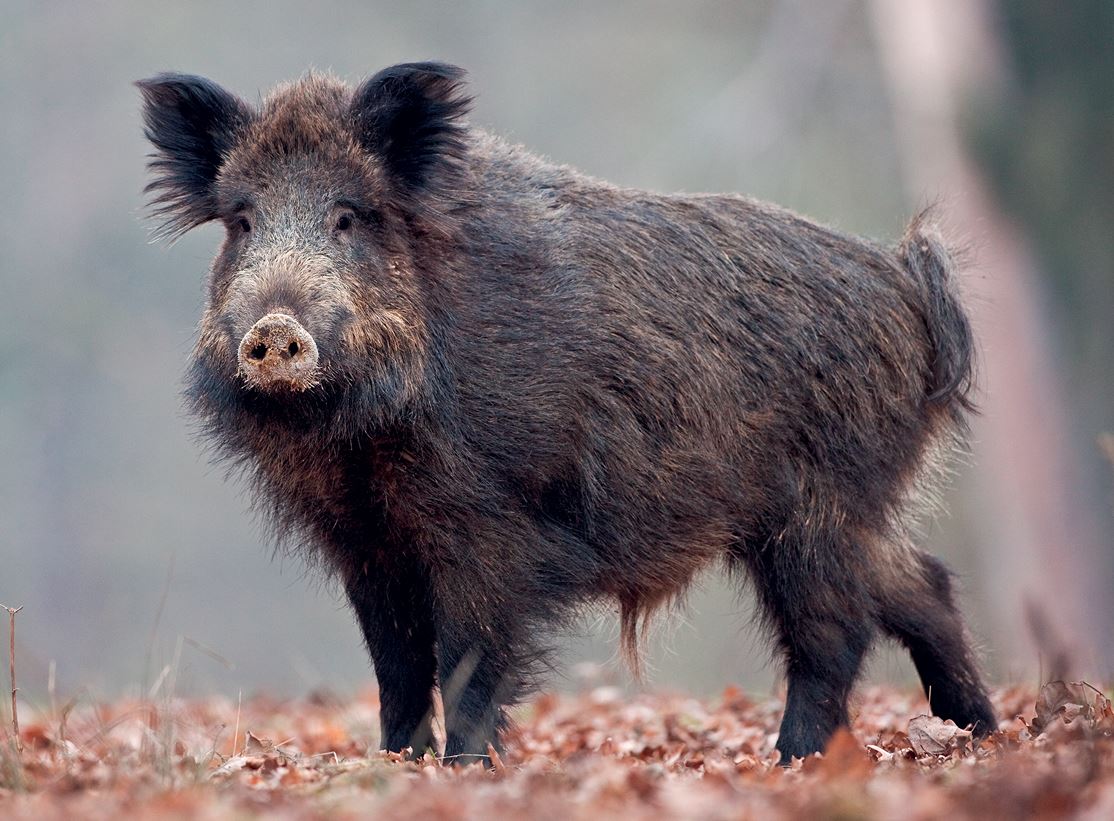
The Hebrew chazir denotes both the wild boar (Ps 80:14) and the domestic pig, and also occurs as a male name (Hesir: 1Chr 24:15; Neh 10:21). It is striking that the two men who bear this «porcine» name were clan leaders – indeed, even within a priestly family!
In the New Testament only pigs in human custody are mentioned, but at that time they probably were not yet distinguished from the wild boar either. The Greek word choiros also referred to both forms. Choiros is not attested as a personal name, but in Porcius Festus (Acts 24:27) we again encounter a high-ranking person with the byname «Pig, Boar», Latin Porcus, in the Greek form Porkios. In one of the earliest lists of zoological names, the Sumerian «Urra=hubullu», the wild boar is called «pig of the reed», which has tempted some interpreters to identify with it the «the beast among the reeds» (Ps 68:31). Since, however, this animal represents Egypt in the context, the identification is not very plausible. Here one should more likely think of «Rahab», an otherwise undefined sea monster or crocodile that represents Pharaoh and his realm (Ps 87:4; Isa 30:7).
The pig is probably the best-known example of an animal classified as unclean under the dietary regulations of the Mosaic law: «The pig has evenly split hooves but does not chew the cud, so it is unclean» (Lev 11:7) and «You are not to eat their meat or touch their carcasses» (Deut 14:8).
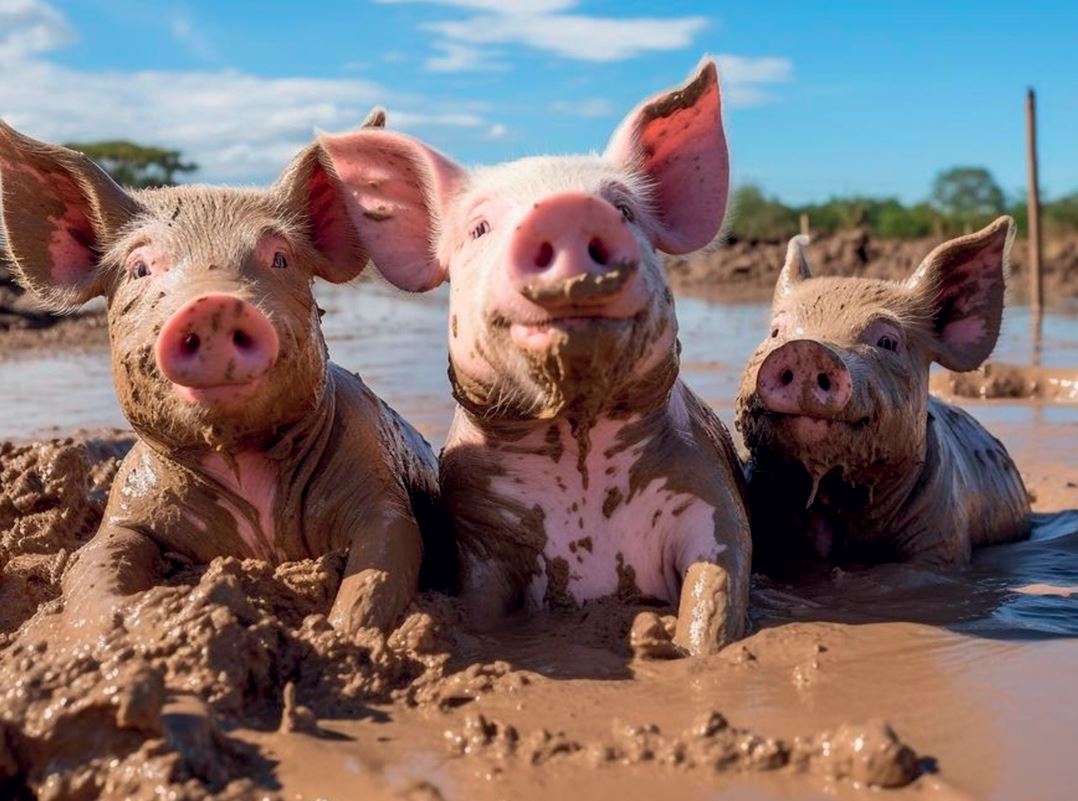
In the Mosaic law the primary concern is which animals may be eaten and which may not. Yet Israelite practice and the later implementing regulations of Jewish tradition draw distinctions when other aspects besides suitability for food are in view. While other unclean animals such as horses, donkeys, and camels were kept in great numbers (1Kgs 5:6; 1Chr 27:30) and used as riding and pack animals (Neh 7:68), the keeping of pigs itself was regarded as taboo; and while the hides and hair of other animals were made into clothing (Mt 3:4) and tools, Jewish tradition permitted only the leather of wild pigs for certain purposes, not that of domesticated animals.
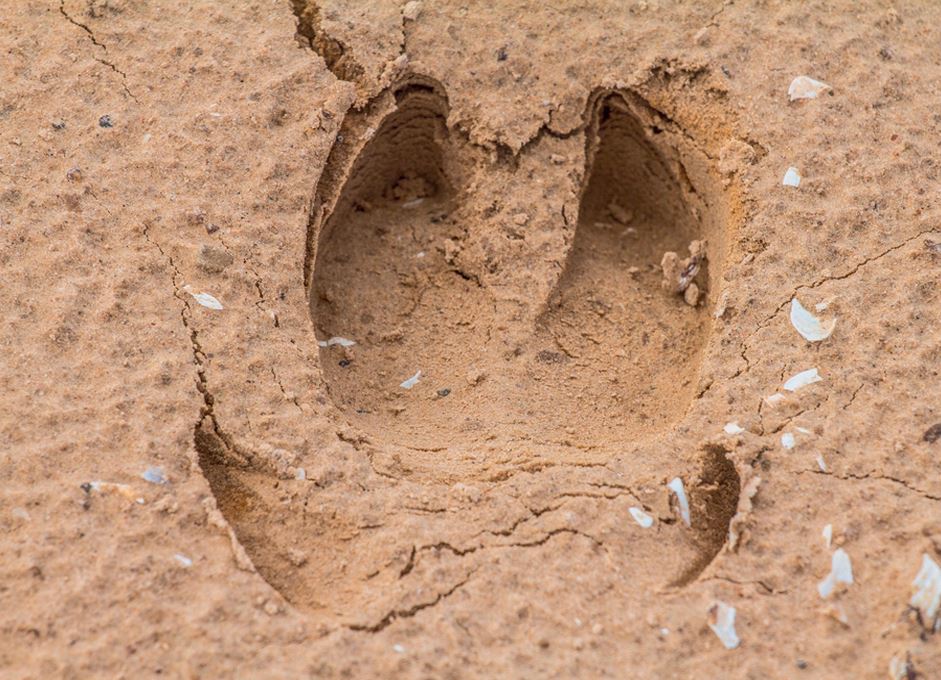
It is, however, the case that the commandments of the Torah were never kept in their full meaning, as the Lord Jesus criticized in the «Sermon on the Mount» (Mt 5:21–48), and most were not even followed according to the letter. With regard to pig husbandry, too, the evidence is mixed. Archaeologists used to assume that the presence or absence of pig bones in refuse pits was a meaningful indicator for assigning a site to pagan or Israelite settlement, but the data are more complex. Although a strong trend can be seen that in Canaanite and Philistine settlements far more pigs were found, and after the division of the kingdom in the Northern Kingdom (Israel/Ephraim) distinctly more than in the Southern Kingdom (Judah), their remains are present almost everywhere. Possibly the keepers were predominantly immigrant foreigners or remaining Canaanites – but it must be noted that the pig as a domestic animal was widespread even in Israel. Interestingly, a change of attitude occurred on this point. After the Exile, the rejection of pork became an identity-forming feature of the Jews. In the milieu of Greek and Roman culture, where the pig was the most common sacrificial animal and a highly valued source of meat, they thus distinguished themselves clearly. The cruel ruler Antiochus IV Epiphanes attempted, among other things, to «Hellenize» the Jews – i.e., to convert them to Greek culture – by forcing them to eat pork. The apocryphal books of Maccabees report this (2Macc 6:18, 21; 7:1, 7; 4Macc 5:2, 6; 6:15). Yet many Jews chose death rather than defile themselves in this way. Since then the external perception has been: «Alongside circumcision and keeping the Sabbath, the prohibition of pork is regarded as one of the clearest markers of what a Jew does and thus who is a Jew.» (Rabbi Jordan Rosenblum).
When the Lord Jesus, in the vicinity of the city of Gadara, frees a severely demon-possessed man from his demons, these unclean spirits beg Jesus that they may move into a herd of pigs that was present. The Lord permits them, and the whole «possessed» herd of about 2,000 animals rushed into the Sea of Galilee and drowned (Mt 8:28–34; Mk 5:1–20; Lk 8:26–39). This incident sheds an interesting light both on the nature of demons and on the nature of pigs. Probably not without reason were pigs associated in many cultures with the activity of demons. Symbolically, the destruction of the pigs expresses that uncleanness should no longer have a place in one who has been redeemed.
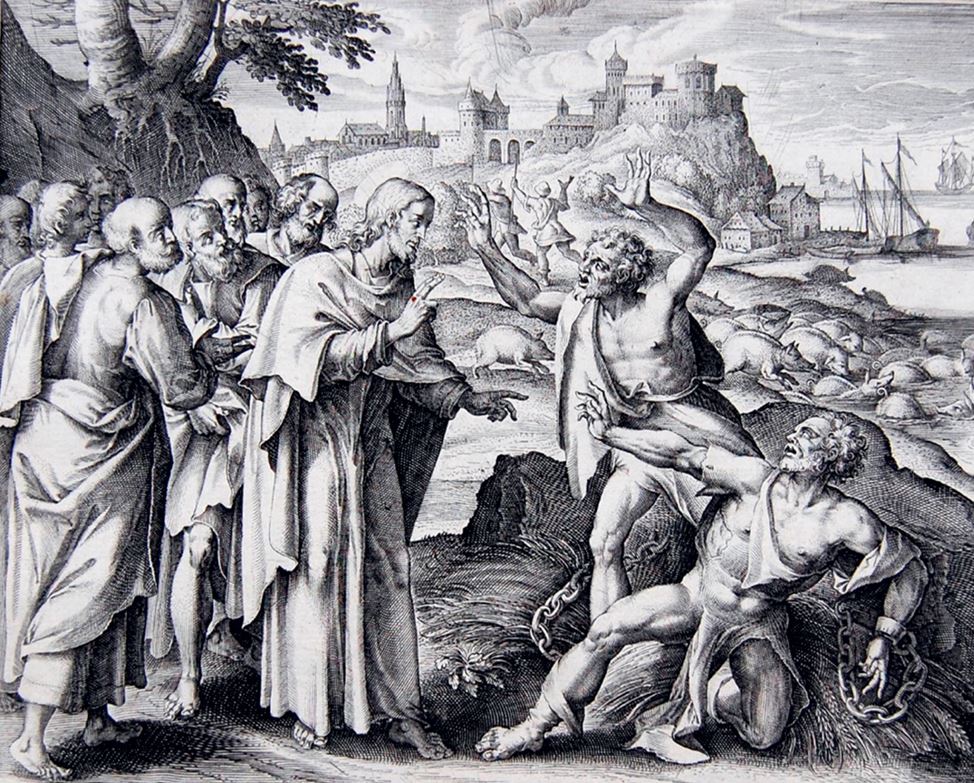
Most enlightening, however, is the incident with regard to the nature of people without God. Instead of celebrating the healing of the possessed man and rejoicing with him that he had been freed from his dreadful condition, they are frightened by Jesus’ power and presumably also outraged by the material loss (after all, the herd had a value of about 100,000 denarii – about as much as a substantial villa). In any case, they ask Jesus to leave quickly. Evidently pigs, demons, and demoniacs are more welcome neighbours than the Son of God: «people loved darkness instead of light» (John 3:19).
The specific composition, calorific value, and the proportions of protein, fat, water, cholesterol, and purines vary so greatly in pork between different cuts of the carcass, finished products, husbandry systems, fattening methods, and breeding lines that hardly any general statements can be made. The range of corresponding values overlaps throughout with the respective data for beef, lamb, and even poultry. From today’s perspective as a food chemist, the claim that pork, as a matter of principle (regardless of husbandry and feeding practices and the use of veterinary drugs), contains more harmful substances than other meat is untenable. Having reviewed many scientific studies published to date on this question, the author can only concur with this assessment. If one leaves aside the aspect of individual intolerance (which does in fact exist), ethical questions about species-appropriate husbandry (or animal use in general), ecological and economic consequences of high meat consumption, and the discussion about the use of growth hormones, antibiotics, and genetic engineering methods, the statement «Pork is unhealthy» is not supported by anything. Unfortunately, some false reports are circulating on the internet in this regard, but they can easily be exposed. There are neither toxins that occur only in pork («sutoxins»), nor a special disease triggered by pork («scrofulosis»).


One often encounters the supposition that the people of Israel were forbidden to eat pork in order to protect them from disease. This, too, cannot be substantiated. All agricultural livestock have their own spectrum of «zoonoses», that is, diseases they can transmit to humans. As far as pigs are concerned, trichinosis is the best known. It is caused by tiny threadworms of the genus Trichinella. It is assumed, however, that these trichinae only reached Europe at the beginning of the nineteenth century with Chinese pigs. It is considered very unlikely that they were already widespread in the ancient Near East, and even with very sensitive methods (PCR analyses) they could not be detected there for the period of antiquity. Today they scarcely play a role anymore. Through careful «trichina inspection» they have been almost eradicated again in most parts of the world. In Germany, from 2004 to 2013 about 500 million pigs underwent a «meat inspection» – trichinae were found in only 7 animals. In every case these were animals from small farms with outdoor access, which favors infection by wild boar. In the same period, however, among 3.16 million examined wild boar only 93 findings of trichinae were recorded, which corresponds to an infection rate of 0.003% and is thus considered very slight. In addition, humans can become infected with the pork tapeworm (Taenia solium), which leads to cysticercosis. The parasitic protozoan Toxoplasma gondii can also be transmitted by pigs, as by many other domestic and farm animals. Yet this parasite normally occurs only where cats live in direct contact with humans and their livestock (which was not the case in ancient Israel). In Germany, about half the population carries this uninvited guest permanently, and only from time to time do the symptoms of toxoplasmosis occur, which can become especially dangerous during pregnancy. All three pathogens lead to death of the infected only in rare cases. In this respect, pigs are in no way more problematic than cattle, sheep, goats, or poultry.
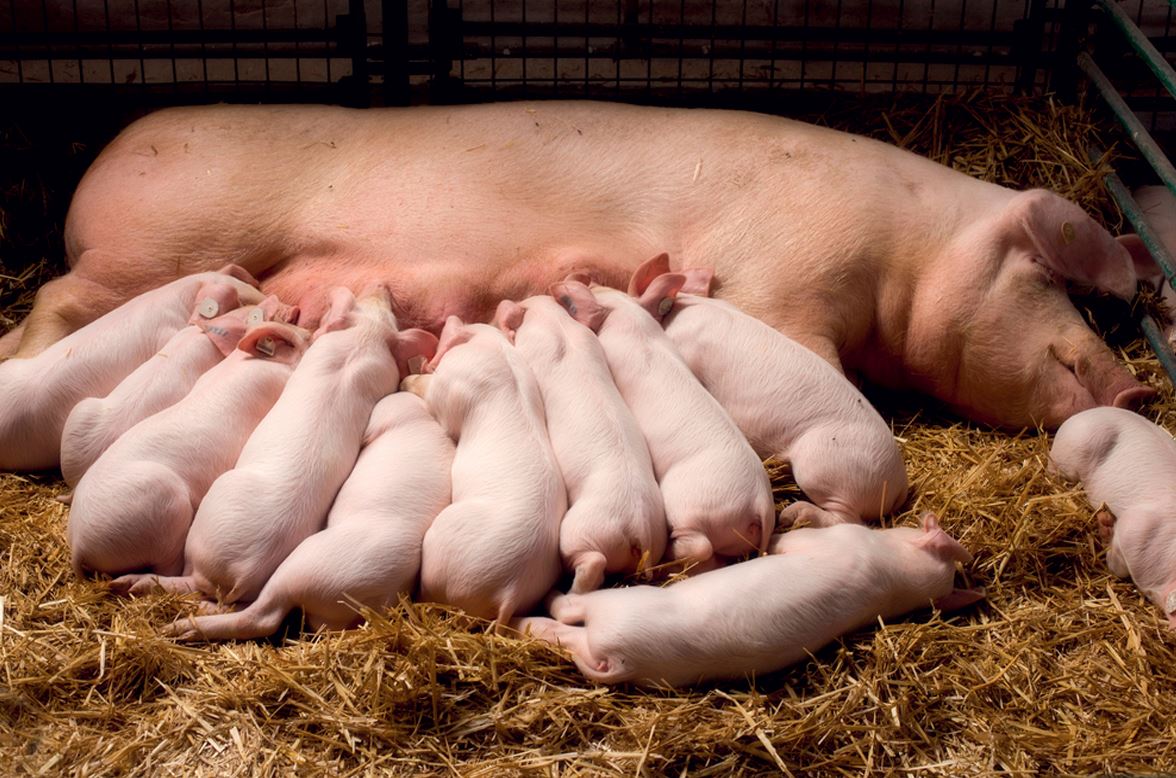
If, then, pork is a tasty and nutritious food that poses no special dangers, why did God withhold it from His chosen people? Rabbis have long racked their brains over this question. The Talmud says that there are commandments against which «the secular nations raise objections, namely: about eating pork, wearing mixed fabrics […] You may think this is something pointless; thus it says [Lev 18:4]: “I am the LORD, I, the LORD, have made it a statute, and it is not for you to reflect upon it.”» In the cited Bible passage, nothing is said about «not reflecting upon it», but in Jewish ceremonial law there are indeed some commandments for which we today cannot perceive a natural rationale (possibly «no longer» or «not yet»). The Jews have come to terms with this by declaring them pure «commandments of obedience» and observing them as such.
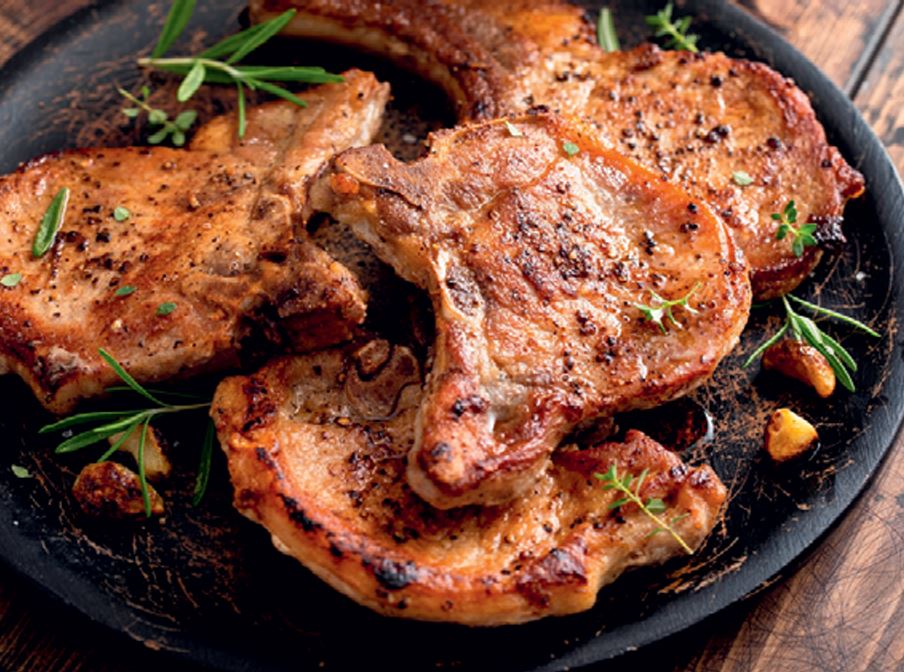
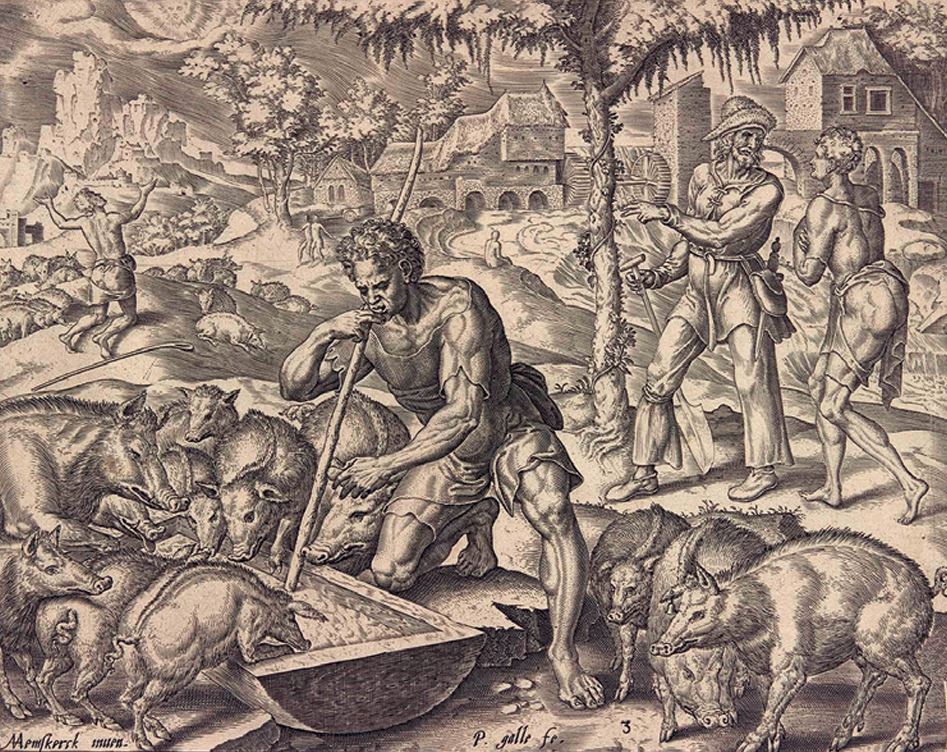
Since, however, every commandment according to Romans 7:12 is «holy and righteous and good», perfect obedience to the law would also lead to a perfect way of life. It is therefore legitimate to ask about the practical benefit of a commandment. It seems obvious that the division into «clean» and «unclean» does not necessarily have to do with the topic of «healthy eating». Nevertheless, other aspects should also be examined. With regard to pig husbandry, at least this can be said: the animals have a great need for shade and water (both scarce commodities in Israel), as omnivores they are food competitors of humans (especially in times of need; cf. Lk 15:16). Moreover, they are of no use as riding, pack, or draft animals, nor can they be milked or provide wool. Furthermore, they can cause great damage in fields and gardens if they are not kept fenced in (which was not customary then and probably not even possible), and they also cannot be moved over longer distances in a driven herd. One can therefore assume that pigs were not the ideal livestock in the environment of ancient Israel, and that abstaining from them was advantageous from an economic and ecological point of view.
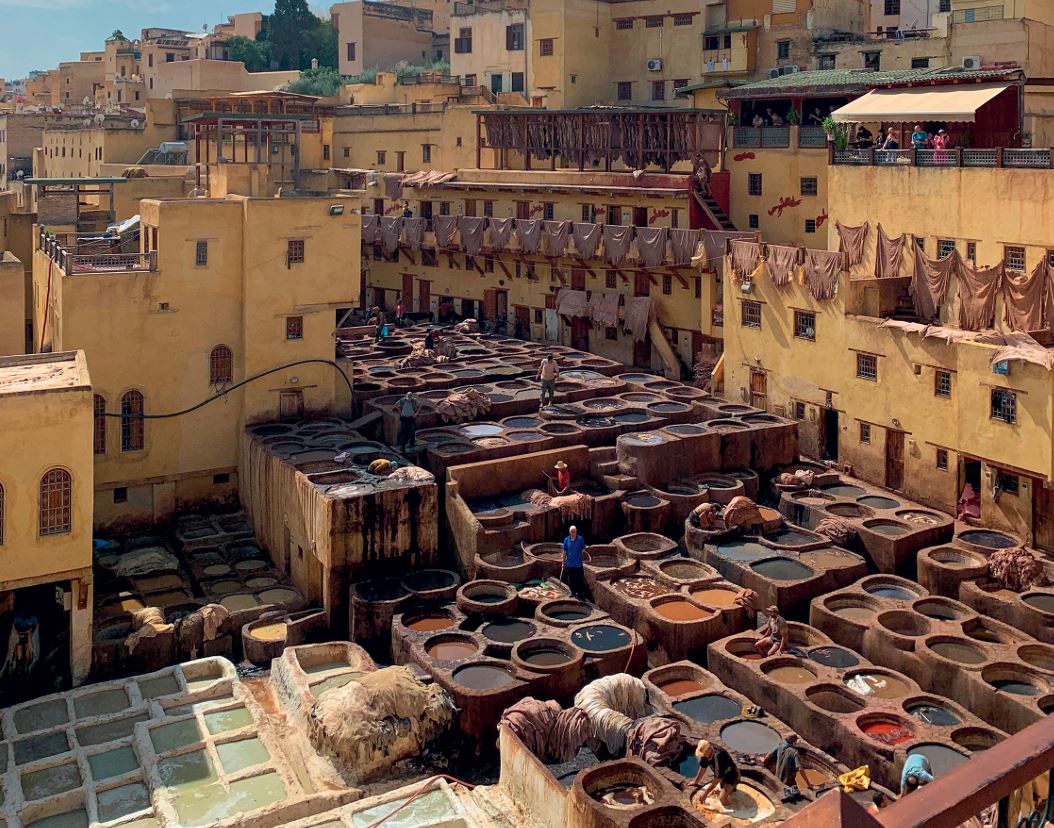
Leather was needed to make many everyday items, and the only reason for a Jew to hunt wild pigs would have been to skin them. Further processing was then the task of a tanner. Today, nearly all production steps are carried out mechanically, and the job profile of a «specialist for leather production and tanning technology» has, in terms of practical requirements, little to do with the old craft trade. In Israel the practice of tanning was considered unclean for various reasons. Not only because from time to time they had to process the hide of a wild pig (or of a killed predator), but also because unclean domestic animals that were not permitted for food (such as horse, camel, and donkey) were used to obtain leather. Even someone who as a tanner restricted himself to clean animals occasionally had to process the hides of animals that had not been slaughtered according to regulations, but had died for various reasons (sometimes from disease) or had been torn by wild animals. This was entirely permitted (cf. Lev 7:24), but through the intensive contact with these carcasses the tanner was, according to the provisions of Jewish law, practically always unclean.
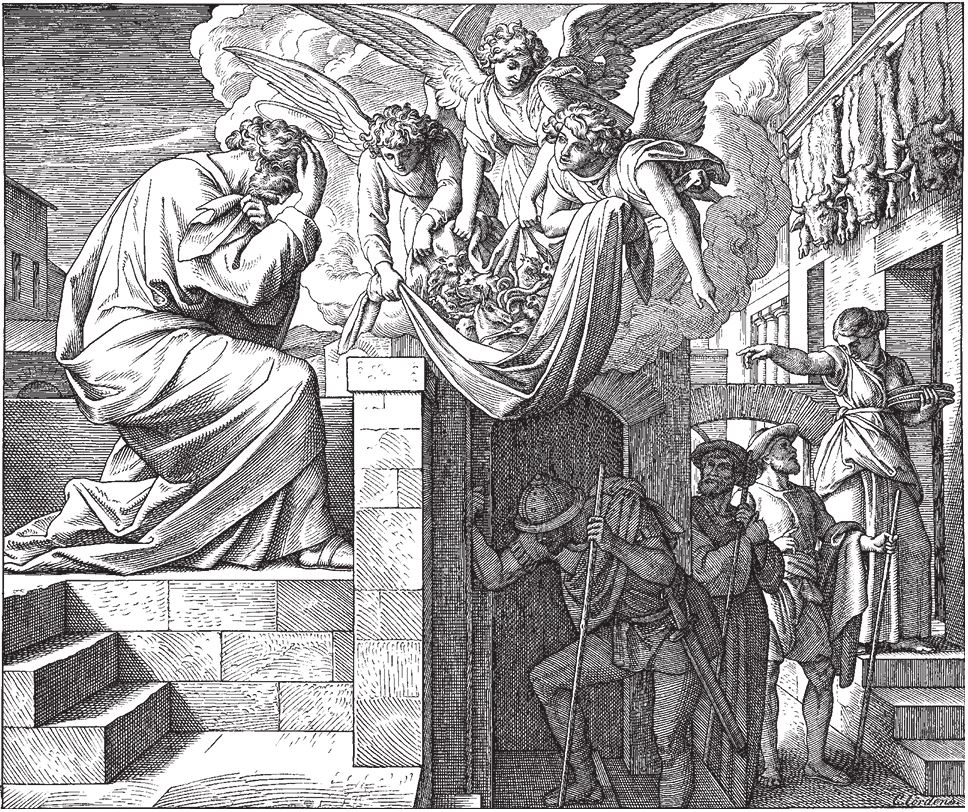
Since urine and feces were used in leather production and various enzymatic reactions released nauseating putrefaction gases, tanners were stigmatized in most cultures anyway, irrespective of special purity regulations. They were permitted to set up their workshops only in certain areas on the edge of the settlement (often even far outside). It is therefore not surprising that the only tanner mentioned as such in the Bible had his house by the sea (Acts 10:5–23). Nor is it surprising that Peter probably preferred to stay on the roof there (v. 9), but it is remarkable that, as a law-observant Jew, he was a guest for several days with a tanner at all. Perhaps one can already see that as preparation for the fact that God wanted to convey to him, precisely there, an entirely new perspective on the categories «clean and unclean».
Sources:
Adler, Y: When Did Jews Start Observing Torah? Online publication at www.TheTorah.com
Auer, H; Aspöck, H: Trichinellose – an almost forgotten helminthosis in Central Europe. Denisia 6 (Catalogues of the Upper Austrian State Museum) 2002; 184:379–392
Federal Statistical Office: Global pig population in the years 1990 to 2024; https://de.statista.com/statistik/daten/studie/28799/umfrage/schweinebestand-weltweit-seit-1990; accessed on 07/11/2023
Federal Institute for Risk Assessment: Occurrence of trichinae in wild boar in Germany and possibilities for intervention. BfR report of 6 July 2007; https://www.bfr.bund.de/cm/343/trichinellenvorkommen_beim_wildschwein_in_deutschland_und_moeglichkeiten_der_intervention.pdf
Dalman, G: Work and Custom in Palestine – Vol. VI (pp. 93–94). Hildesheim (G. Olms) 1987; free download available at https://www.academia.edu
Darshan, G: Pork Consumption as an Identity Marker in Ancient Israel: The Textual Evidence. Journal for the Study of Judaism 2022 (online publication); doi: 10.1163/15700631-bja10055
Gamble, HR: Parasites associated with pork and pork products. Revue scientifique et technique (International Office of Epizootics) 1997; 16(2):496–506
Goldschmidt, L: Tractate Yoma (chapter 6, 67b). https://www.talmud.de/tlmd/talmud-uebersetzung/joma
Hesse, B; Wapnish, P: Can Pig Remains be Used for Ethnic Diagnosis in the Ancient Near East? (pp. 238–270); essay in: The Archaeology of Israel: Constructing the Past in Interpreting the Present. Sheffield (Academy Press) 1997
Imming, R: ERnährt – What God Says About Food (pp. 51–57). Lychen (Daniel) 2010
Standing Conference of the Ministers of Education and Cultural Affairs: Framework curriculum for the training occupation Specialist for Leather Production and Tanning Technology. Status: 26/03/2015; https://www.kmk.org/fileadmin/pdf/Bildung/BeruflicheBildung/rlp/Fachkraft_fuer_Lederherstellung_und_Gerbereitechnik_15-03-26-E.pdf
Prock, P; Prock, G: Eating Is More (pp. 44–49). Augustdorf (Betanien) 2019
Reig Riera, MM; Aristoy, M; Toldra, F: Variability in the contents of pork meat nutrients and how it may affect food composition databases. Food Chemistry 2013; 140(3):478–482; doi: 10.1016/j.foodchem.2012.11.085
Rosenblum, J: Why do you refuse to eat pork? Jews, food, and identity in Roman Palestine. The Jewish Quarterly Review 2011; 100(1):95–110
Nöckler, K: Trichinellosis: current situation and new trends in surveillance. Leipziger Blaue Hefte, Leipzig Veterinary Congress; 8(3):538–540; https://ul.qucosa.de/api/qucosa%253A33416/attachment/ATT-0/#page=540
Müller, J: The biggest piggery in the world. In China, pigs are fattened on 26 floors! BILD, 12/02/2023; https://www.bild.de/ratgeber/2023/ratgeber/china-schweine-zucht-in-hochhaus-auf-26-stockwerken-82856962.bild.html
Murphy, KJ; Parker, B; Dyer, KA: A comparison of regular consumption of fresh lean pork, beef and chicken on body composition: A randomized cross-over trial. Nutrients 2014; 6:682–696; doi: 10.3390/nu6020682
Sapir-Hen, L; Bar-Oz, G; Gadot, Y: Pig husbandry in Iron Age Israel and Judah: New insights regarding the origin of the «Taboo». Zeitschrift des Deutschen Palästina-Vereins 2013; 129(1): 1–20
Sapir-Hen, L: Food, pork consumption, and identity in ancient Israel. Near Eastern Archaeology 2019; 82(1); doi: 10.1086/703326
Talmudology (website about the traditions of Jewish legal regulations): Cursed be the one who raises swine. accessed on 22/10/2022; https://www.talmudology.com/jeremybrownmdgmailcom/2018/10/3/menachot-64b-cursed-be-the-one-who-raises-swine van Wyk, K: Pig Taboos in the Ancient Near East. International Journal of Humanities and Social Science 2014; 4(13):111–134; https://www.academia.edu/11191562/Pig_taboos_in_the_Ancient_near_East
Image Credits:
Wikipedia: Pig wallowing / Myrabella
Other licenses: Piglet friends / shutterstock ID_94196896 / janecat // Wild boar / shutterstock ID_1047316630 / Martin Prochazkacz // Pigs in a mud bath / shutterstock ID_2327000277 / Tengku Naufal // Pig hoofprint / shutterstock ID_2267400667 / Maximillian cabinet // Pig farm today / shutterstock ID_1760677292 / Evgeny_V // Pork chops / shutterstock ID_2262518065 / Elena Veselova // Sow with piglets / shutterstock ID_434214733 / Budimir Jevtic // Dyers’ quarter in Fez / shutterstock ID_2254039937 / kamiskax.tif // Prodigal son among the pigs / Philipp Galle // Herd of pigs in Gadara / Marten de Vos