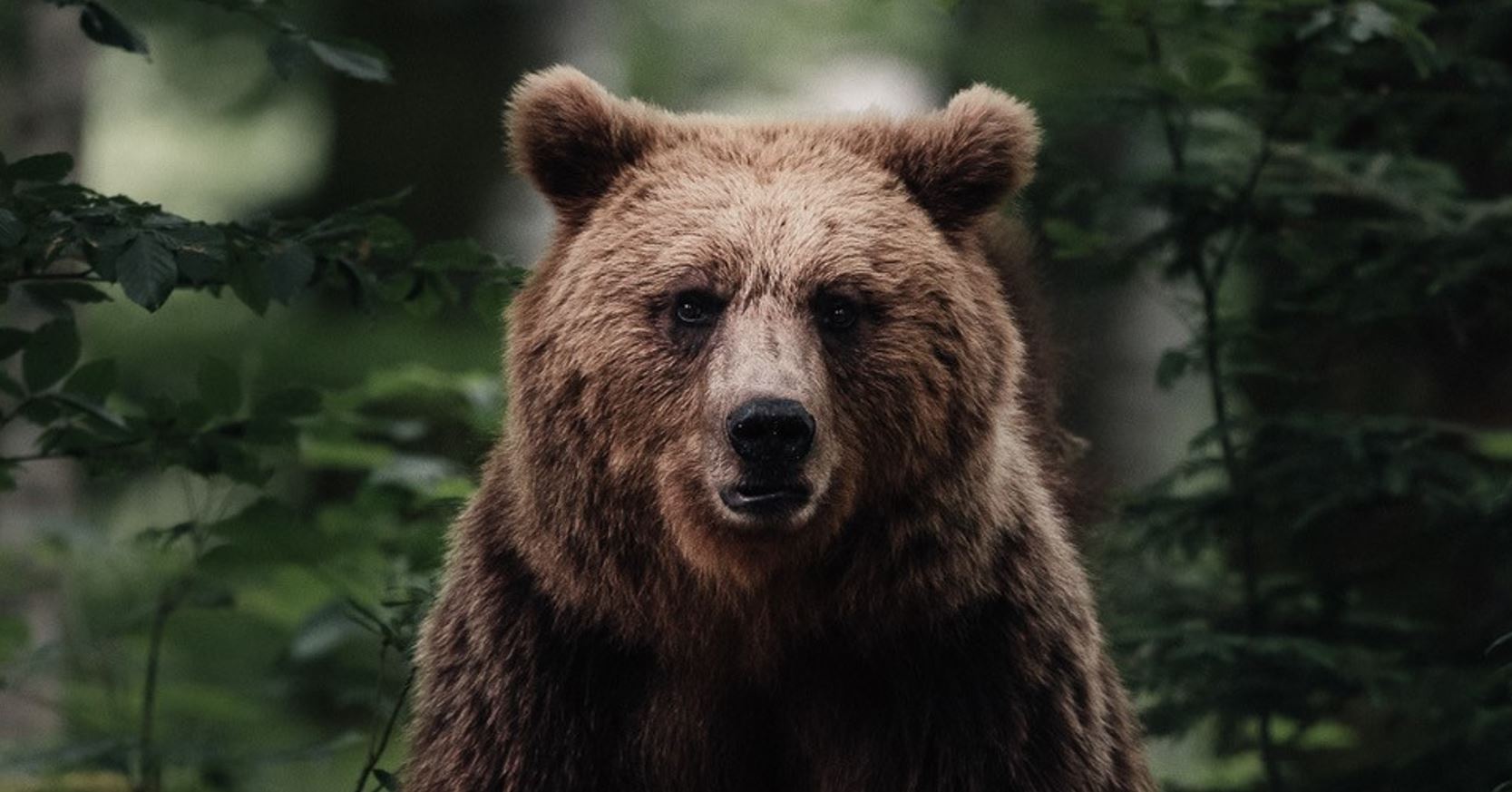
From the family of bears (Ursidae) come the largest carnivores, and to this day the brown bear (Ursus arctos) is still found in various regions of the Middle East. Although it feeds predominantly on plant matter, it can pose a danger to humans.
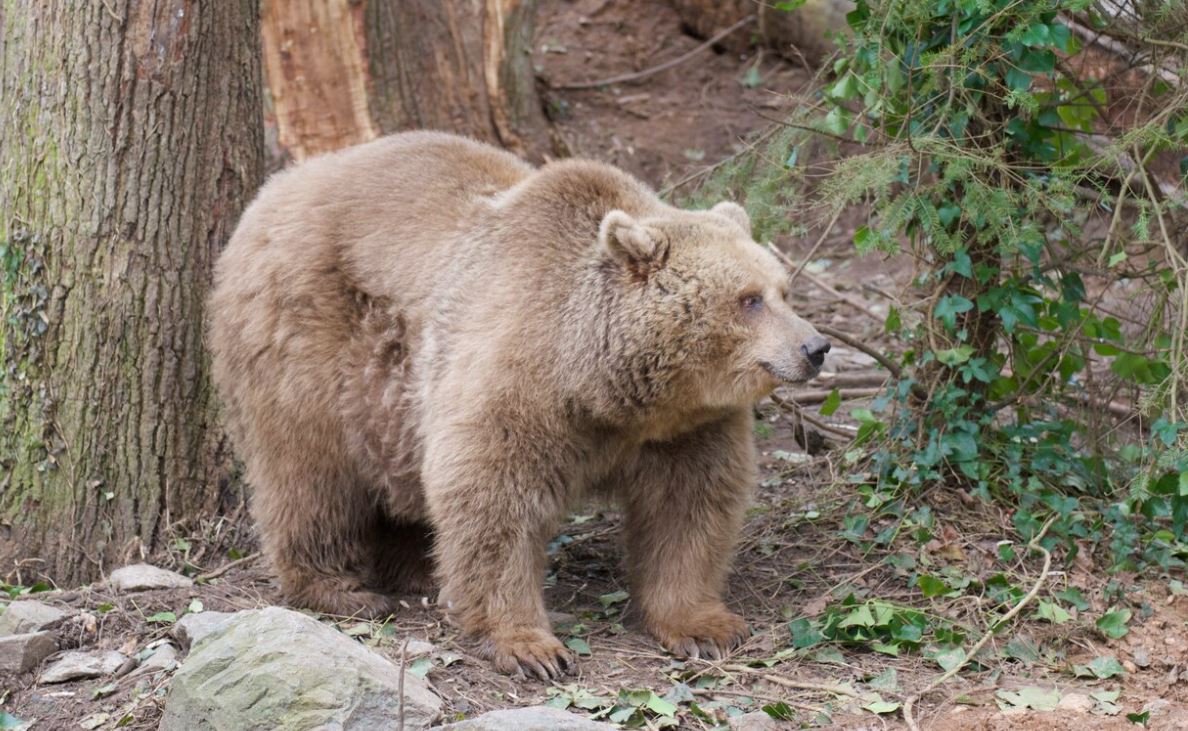
Both the Hebrew and Aramaic designation dob or dov and the Greek word arktos probably refer in the Bible to the Syrian brown bear (Ursus arctos syriacus), which was formerly defined as a distinct subspecies. It was distributed from present-day Turkey to the Arabian Peninsula. It is somewhat lighter in color than most European representatives and not quite as large. It reaches «only» up to 190 kilograms in weight, whereas the largest subspecies of the brown bear, the Kodiak bear from Alaska, can weigh up to 780 kilograms – more than four times as much – and is thus the largest terrestrial predator.
Although the brown bear appears in many distinguishable forms, genetic data today show that these cannot be clearly separated from one another and that many subspecies exist only on paper. The Hebrew name is derived from the verb dabab, meaning «to creep, to move leisurely», which characterizes the bear well. Dov is a popular Jewish male name today, but it does not occur as a personal name in the Bible.
The Greek word arktos sounds familiar, for the geographical designation «Arctic» is derived from it. The far north lies beneath the constellation «Great Bear», and the Pole Star, which stands almost vertically above the North Pole, belongs to the constellation «Little Bear». Although this corresponds to the astronomical technical terms «Ursa Major» and «Ursa Minor», the designations «Big Dipper» and «Little Dipper» are more common in German. In other cultures, the constellations often bear entirely different names, and thus the «Great Bear» is mentioned in some German Bible translations (Job 9:9; 38:32), but the Hebrew designation there (ajisch) has nothing to do with bears.
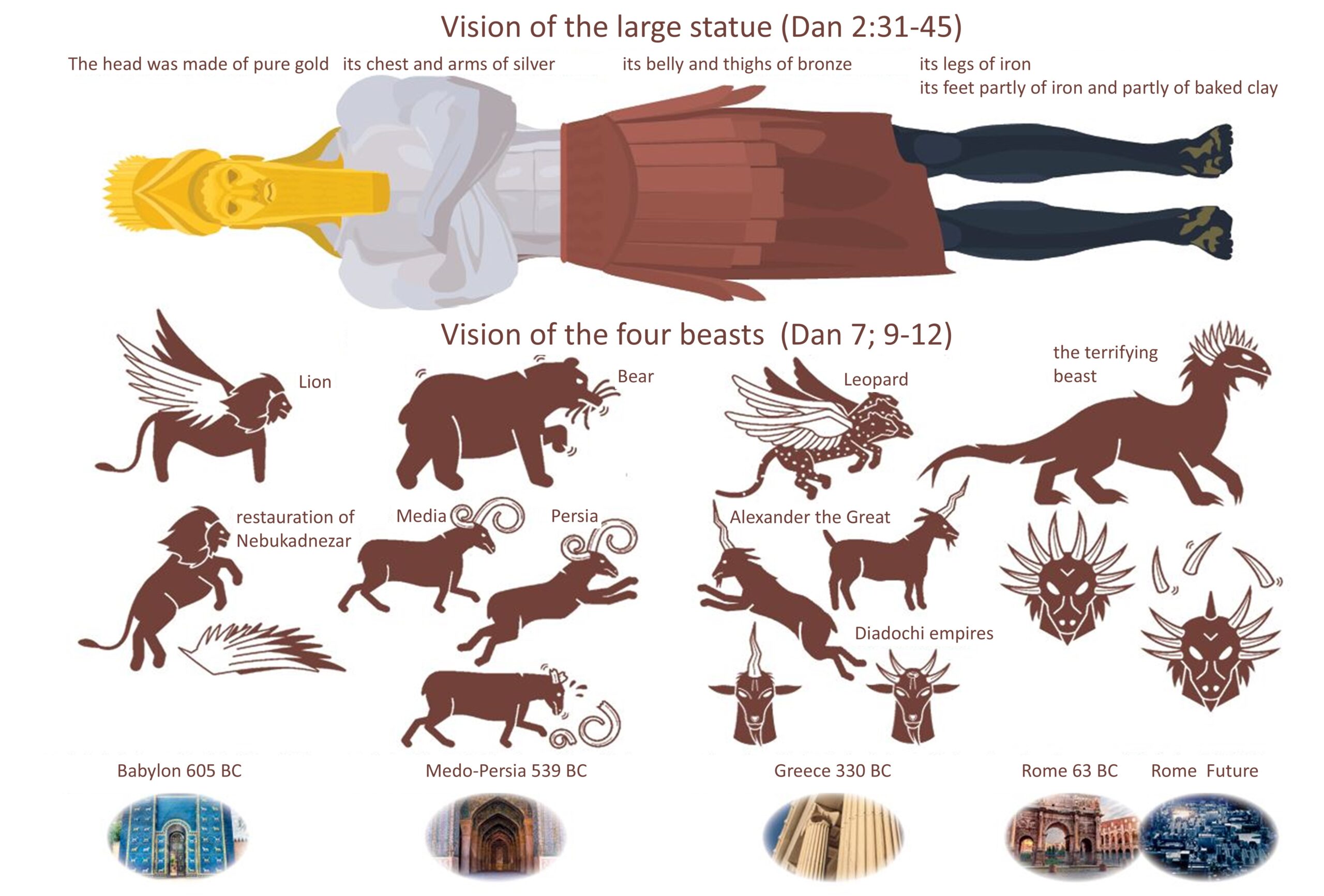
In Proverbs 28:15 we find the following comparison: «Like … a charging bear is a wicked ruler over a helpless people». And the call «Arise, devour much flesh!» (Dan 7:5) also alludes to its «insatiability». At first glance, it seems commonplace to mention greed as a characteristic of the bear. Almost every carnivore gulps down its prey hastily, out of concern that it might have to share it with competitors of its own kind or other scavengers, or even lose it to a stronger predator. What one has, one has! Compared with most canids and felids, the bear even appears rather leisurely. Why, then, are bears in particular described as «greedy»?
The Hebrew word used here is schakak. It is also employed to describe the roaming of plunderers in a city (Joel 2:9) or the tireless foraging of locusts (Isa 33:4) – and by this point one does indeed recognize parallels. While other carnivores focus on specific prey, the bear wanders restlessly about and stuffs itself with everything that appears edible to it. In contrast to large predatory cats, which usually doze somewhere in the shade, one sees it constantly digging something up, scraping things together, and gnawing on them. It is active both day and night, needs up to 16 hours to gather its daily ration, and in absolute terms consumes a greater quantity of food than any other carnivore.
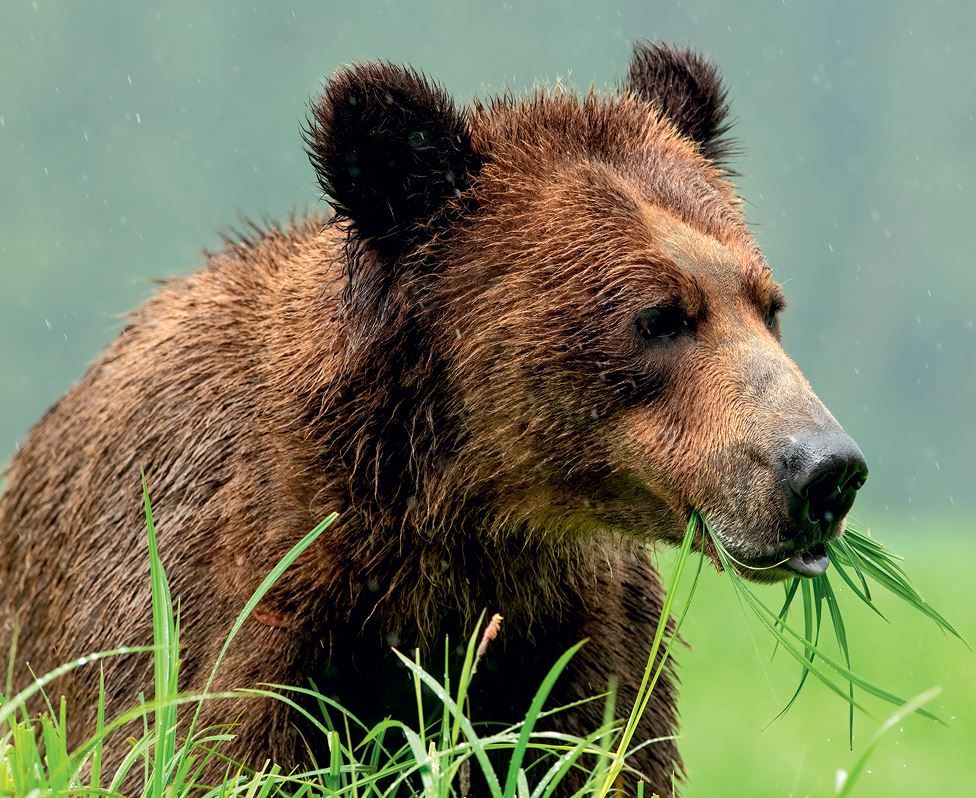
Biologically speaking, we are of course not dealing with a moral trait such as greed or avarice, but with a poor converter of food: the brown bear’s diet typically consists of almost 80 percent plant matter, for which its digestive system is not specialized. It can process neither cellulose (plant fibers) nor lignin (wood), but compensates for this through the sheer quantity and variety of its diet. Fruits, berries, fungi, buds, tubers, roots, young leaves, and grass seeds form the main course. Insects, fish, amphibians, carrion, and bird eggs are the add-ons. To become truly satiated, it also hunts large mammals – wild animals such as roe deer, red deer, and wild boar, but unfortunately also grazing livestock such as sheep, goats, and cattle.
In contrast to the families of cats and dogs, bears are not specialized for hunting. Their senses are far less well developed. Most see poorly and hear only moderately well. They rely on their excellent sense of smell and are true gourmets, which helps them in selecting food. Among bears there is even a purely herbivorous species, the giant panda (Ailuropoda melanoleuca), which has managed, as a «black sheep», to make its way into the order of carnivores. (The koala, also a strict herbivore, is instead a marsupial and is only mistakenly referred to as a «bear».)
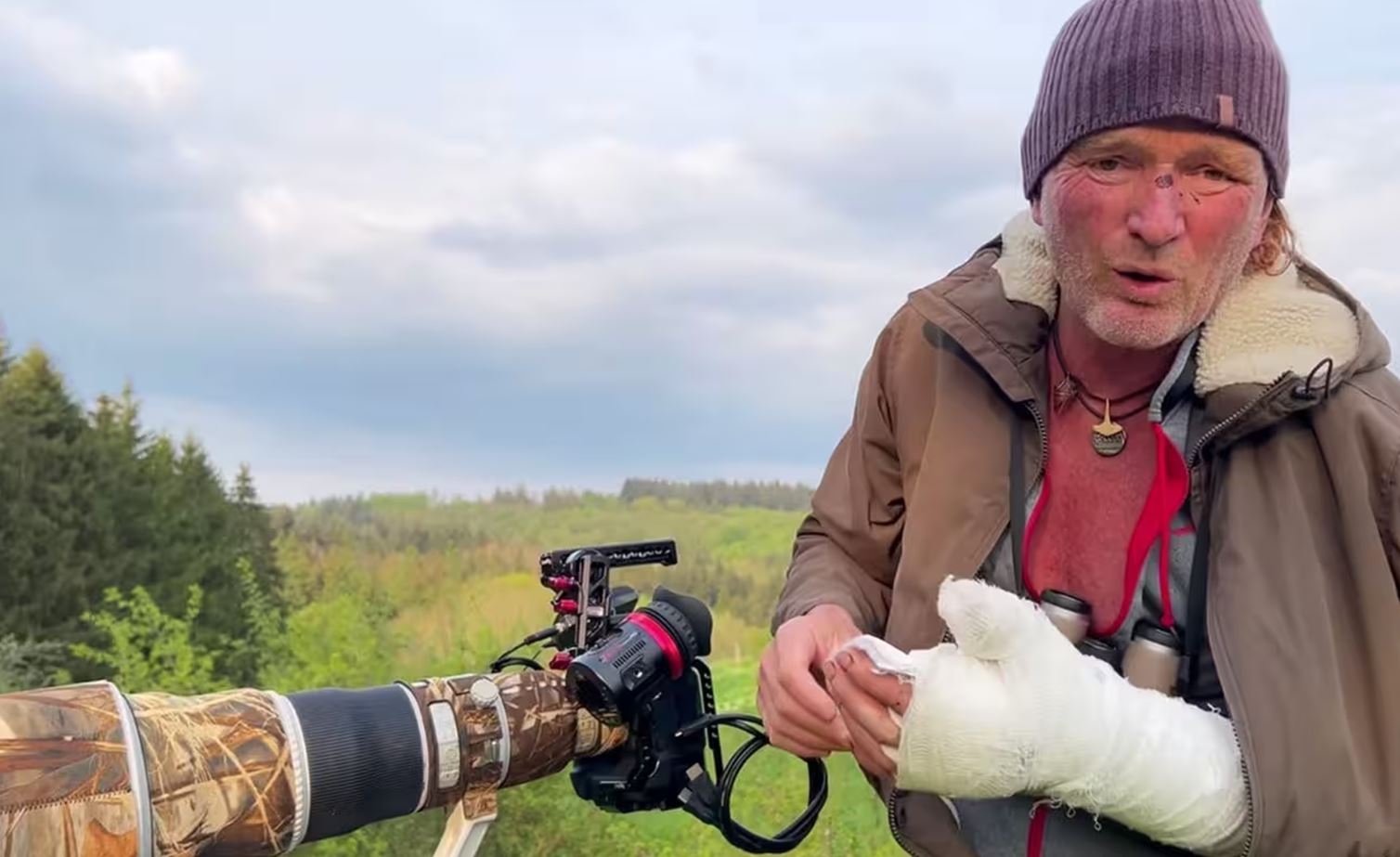
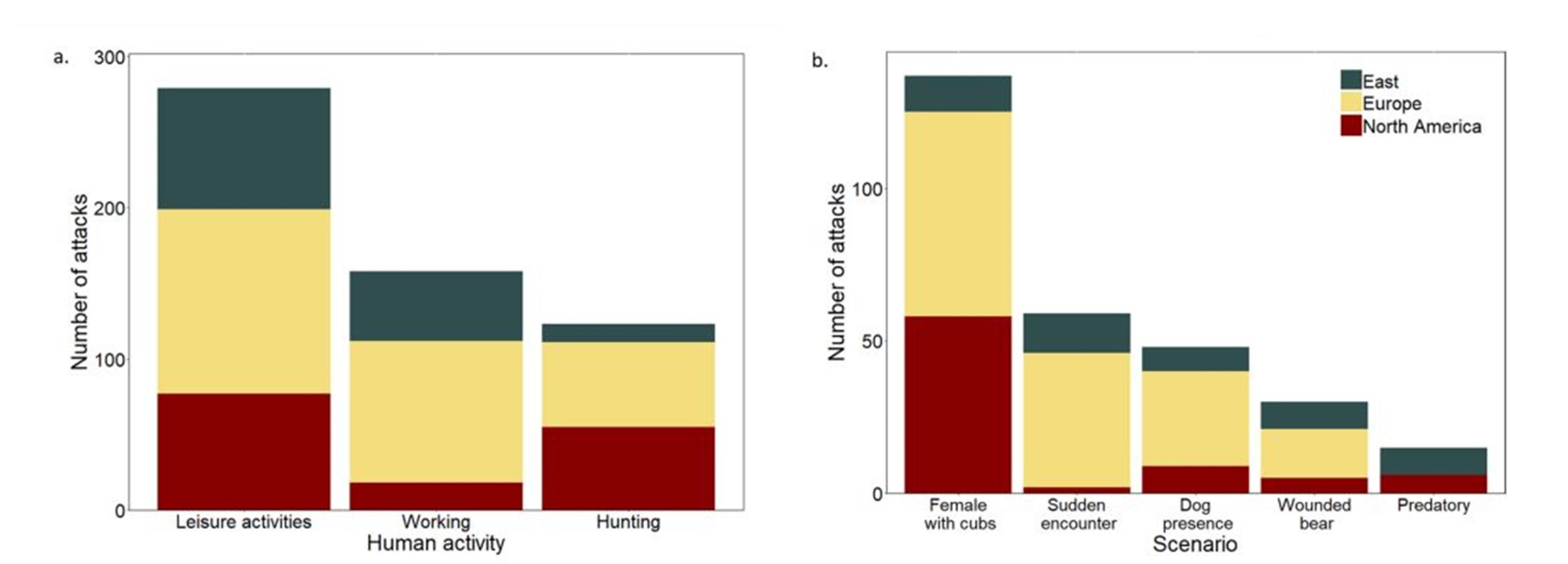
When he comes trotting along in his leisurely ambling gait and is mainly interested in greenery, one might take him for a harmless, gentle giant. But appearances are deceptive. The Bible paints a realistic picture when it describes his dangerousness. An enraged bear is a dreadful opponent, and a long-term study has shown that about half of the bear attacks recorded worldwide are attributable to mothers defending their young. This was already known to the writers of the Bible: «You know your father and his men; they are fighters, and as fierce as a wild bear robbed of her cubs» (2Sam 17:8). Even though Hushai the Archite, who remained loyal to David, led the rebellious Absalom to ruin with his false counsel, the image he uses is apt. The aggressiveness and ferocity of a mother bear are proverbial: «Better to meet a bear robbed of her cubs than a fool bent on folly» (Prov 17:12), with foolish people causing far greater harm. God even applies the comparison with the mother bear to His own action as an unrelenting judge: « I will fall upon them like a bear robbed of her cubs; I will tear open their breast» (Hos 13:8). Incidentally, this verse also mentions the typical method of the bear, striking and ripping open its prey with its powerful, claw-armed paws (whereas all other carnivores typically kill by biting).
In the ranking of the «deadliest animals», the bear appears «far down the list …». Of the 50–60 bear attacks documented worldwide on average each year, there are 10–20 fatalities. That is terrible. However, when compared with the 30,000 people who die each year from dog attacks, it becomes somewhat relative. This is mainly due to the fact that there are many dogs in the world living alongside humans, whereas there are only few bears, which moreover try to avoid humans and occur only in sparsely populated regions. A tragic event such as that described in 2Kgs 2:23–24 disrupts the statistics: « From there Elisha went up to Bethel. As he was walking along the road, some boys came out of the town and jeered at him. “Get out of here, baldy!” they said. “Get out of here, baldy!” He turned around, looked at them and called down a curse on them in the name of the LORD. Then two bears came out of the woods and mauled forty-two of the boys.»
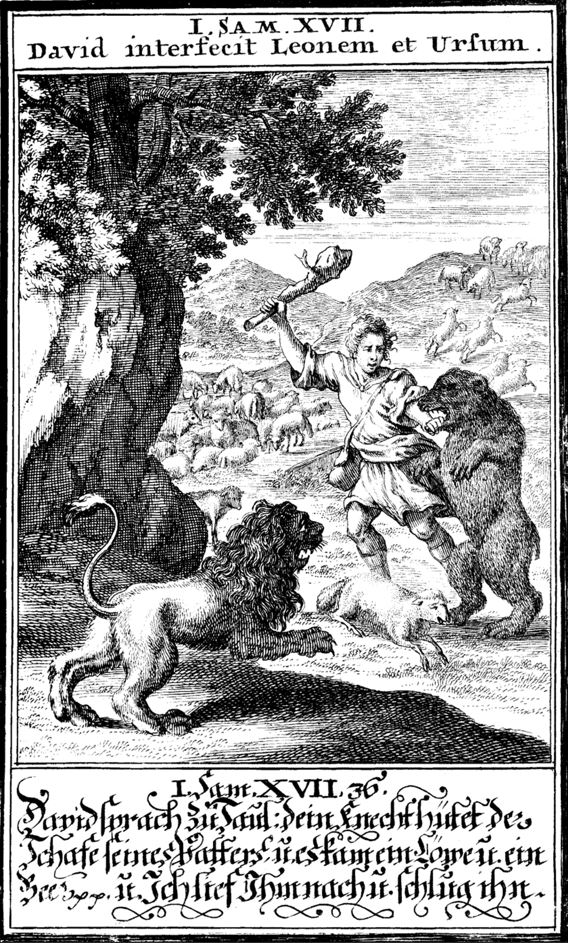
Most dangerous encounters in biblical times probably occurred because livestock was kept pastorally, that is, in herds led and accompanied by shepherds (whereas today pasture farming in fenced areas predominates). For the shepherd, confronting a predator was risky. The young David, already a courageous hero and full of trust in God, was nevertheless able to report to his king: « Your servant has been keeping his father’s sheep. When a lion or a bear came and carried off a sheep from the flock, I went after it, struck it and rescued the sheep from its mouth. When it turned on me, I seized it by its hair, struck it and killed it. Your servant has killed both the lion and the bear» (1Sam 17:34–36). David attributed his victory not to his own abilities but to God’s saving action: « The LORD who rescued me from the paw of the lion and the paw of the bear …» (1Sam 17:37).
Thus David is a pointer to the «true David», the Lord Jesus, who says of Himself: « I am the good shepherd. The good shepherd lays down his life for the sheep» (John 10:11). Outwardly it appeared as though His battle was lost when He gave His life and was nailed to the cross by the people who surrounded Him like wild beasts of prey. And yet it was an overwhelming victory, in which He «crushed the serpent’s head» (cf. Gen 3:15). By this He has « obtaining eternal redemption» for us (Heb 9:12). Naturally, we stand in the same struggle. Satan (the ancient serpent; Rev 20:2) pursues us like a ravenous predator – and whoever believes that he can find security anywhere other than with Jesus will ultimately be caught by him as a treacherous serpent, just as it is described here in a similar way: « It will be as though a man fled from a lion only to meet a bear, as though he entered his house and rested his hand on the wall only to have a snake bite him» (Am 5:19).
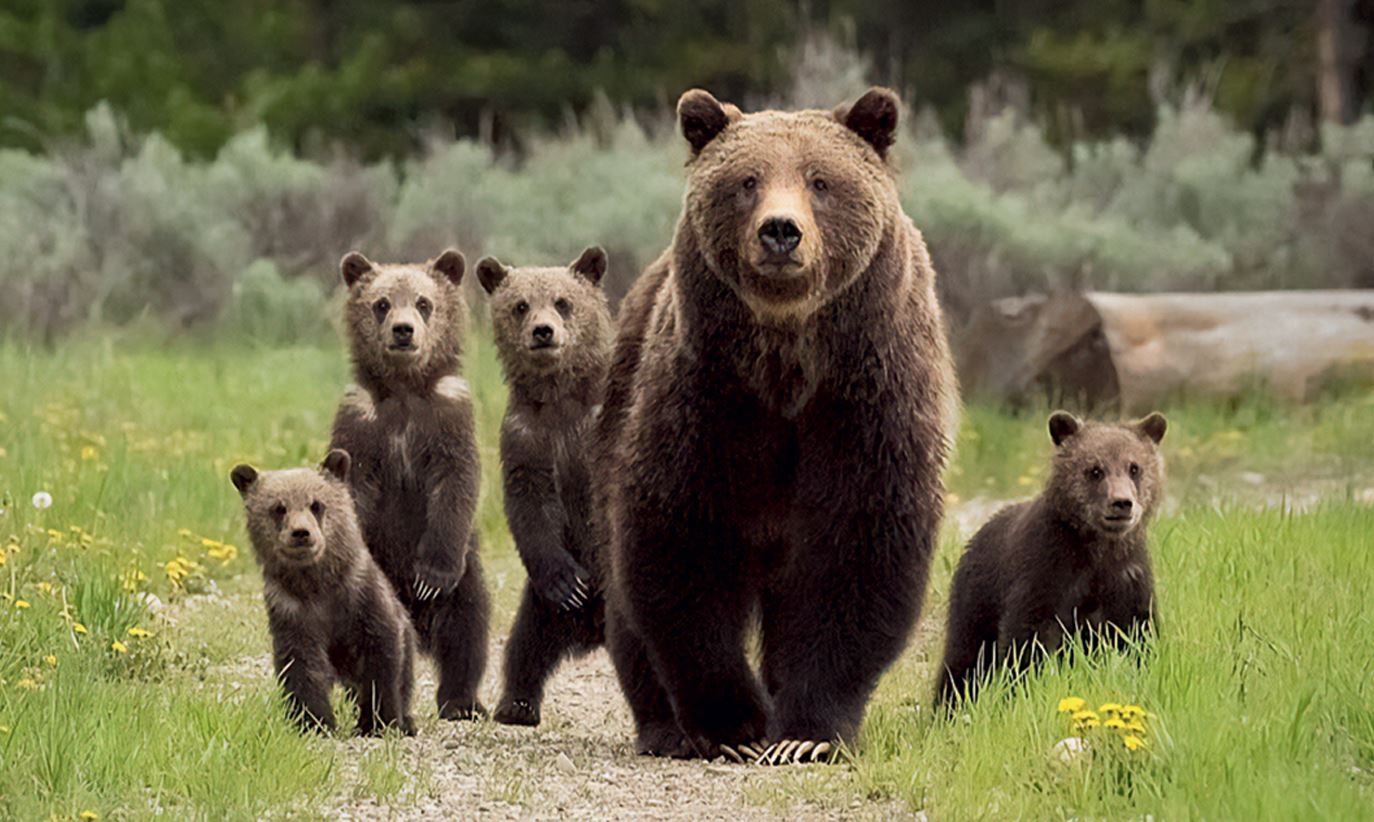
But: how grateful we can be that God the Father did not strike down and rip open His own, or rather the enemies of His Son (speaking figuratively), as with powerful bear paws – but that He was even willing to judge His much-beloved Son and stretch out His hand against Him (cf. Gen 22:10). What love the Father must have for us humans (John 3:16), that He actively gave His unique Son, the radiance of His glory – while mother bears are of «embittered spirit» when they are robbed of their cubs (2Sam 17:8)!
Sources:
Bombieri, G; Naves, J; Penteriani, V: Brown bear attacks on humans: a worldwide perspective. Nature 2019; 9:8573; doi: 10.1038/s41598-019-44341-w
Gansloßer, U: Bears. Nuremberg (Tessloff) 2003
https://www.grizzly399.org (homepage of Grizzly 399); accessed on 11/03/2023
https://www.guinnessworldrecords.com/world-records/largest-empire-by-percentage-of-world-population; accessed on 11/03/2023
Locke, S: The bears are not your friends (interview with wildlife filmmaker Andreas Kieling). Frankfurter Allgemeine Zeitung, 03/24/2012; https://www.faz.net/aktuell/gesellschaft/dokumentarfilmer-andreas-kieling-die-baeren-sind-nicht-deine-freunde-11696141.html
McCarthy, N: The World’s Deadliest Animals. (accessed on 08/20/2022); https://www.statista.com/chart/2203/the-worlds-deadliest-animals
McNally: Famous Bear, Grizzly 399. OutdoorLife 2021; accessed on 11/03/2023; https://www.outdoorlife.com/hunting/grizzly-kill-caught-on-camera
Niedziałkowska, M; Hayward, MW; Borowik, T: A meta-analysis of ungulate predation and prey selection by the brown bear Ursus arctos in Eurasia. Mammal Research 2019; 64:1–9; doi: 10.1007/s13364-018-0396-7
Schlegl, T: The largest bear in the world. Männersache 03/22/2022; accessed on 10/31/2023; https://www.maennersache.de/groesster-baer-der-welt-6061.html
Thees, F: Wildlife filmmaker Andreas Kieling survives bear attack: «I’m doing well». SWR3, 05/16/2023; https://www.swr3.de/aktuell/nachrichten/baeren-attacke-ueberlebt-andreas-kieling-tierfilmer-100.html
Ware, JV; Lynne Nelson, O; Robbins, CT: Temporal organization of activity in the brown bear (Ursus arctos): roles of circadian rhythms, light, and food entrainment. American Journal of Physiology, Regulatory, Integrative and Comparative Physiology 2012; 303(9):890–902; doi: 10.1152/ajpregu.00313.2012
Image Credits:
Wikipedia: Syrian brown bear / Chandres
Other licenses: Brown bear / shutterstock ID_1516006793 / Lakshan Chanaka // Brown bear frontal / Kevin Winterhoff // Brown bear eating grass / shutterstock ID_2152074097 / Wirestock Creators // Still image of Nebuchadnezzar’s vision / shutterstock ID_1727662087 / joshimerbin // Symbols for double page / ID_2055809324 / Leremy // Babylon – Ishtar Gate / shutterstock ID_493671376 / Homo Cosmicos // Persia – Persian arch / shutterstock ID_1023760363 / Delbars // Greece – column / shutterstock ID_2262132769 / Your Hand Please // Rome – triumphal arch and Colosseum / shutterstock ID_1801488058 / AlexAnton // Future – motherboard city / ID_711912124 / BlackDorianstock // David slays lion and bear / Christoph Weigel // Grizzly 399 with quadruplets / grizzly399.org