Donkeys have been among the most important domestic animals since time immemorial. Although they are often misunderstood as «the poor man’s horse», they frequently proved – especially in the historical setting of the Bible – to be the better choice, and before the beginning of the machine age they even achieved worldwide distribution. Even if their labor is hardly needed anymore in industrialized countries, they continue to be valued as adaptable and likeable companion animals, so that even today there are still about 45 million donkeys worldwide.
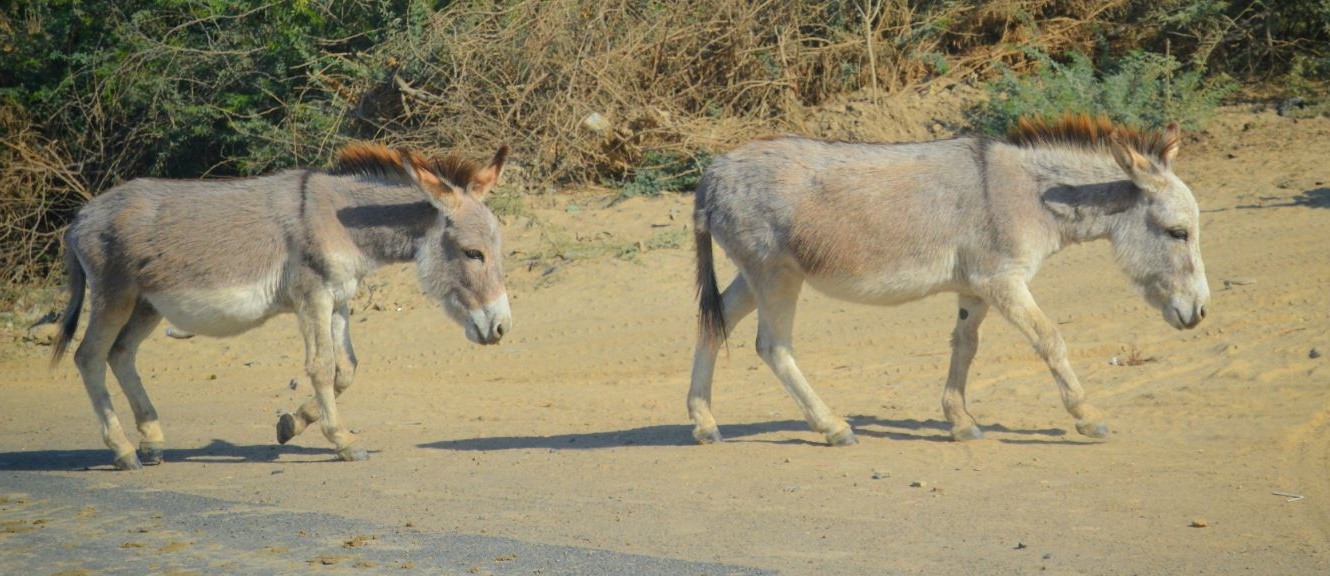
As mentioned in the previous chapter, there are various theories about the lines of descent among the equids (Equidae). The modern domestic donkey (Equus asinus asinus) is genetically closest to the African wild ass (Equus asinus). However, there is archaeological evidence that in Mesopotamia the Asiatic wild ass (Equus hemionus) was also crossbred in. To this day, the three species can be interbred with one another – and with horses and even zebras.
While human selection and breeding in most species of livestock has led to a bewildering variety of appearances, there are only a few donkey breeds, and they also resemble one another closely. A wealth of historical depictions shows that even in biblical times donkeys looked much the way we know them today.
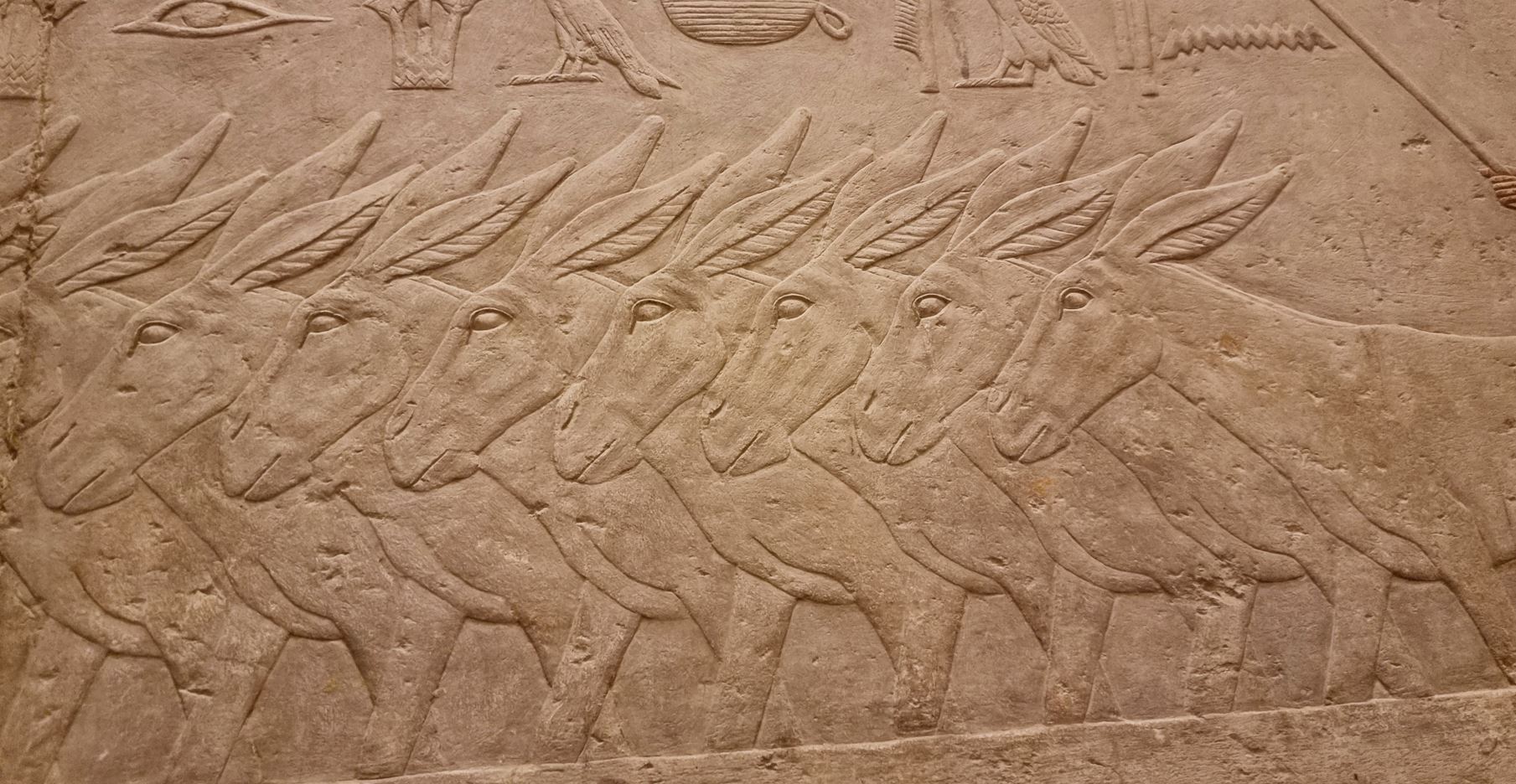
The Hebrew word chamor (94x) designates the donkey in general and, more specifically, the male donkey. It is part of the combinations «donkey’s jawbone» (Judg 15:15–16) and «donkey’s head» (2Kgs 6:25). The word also occurs as the personal name «Hamor» (12x) and likewise in its Greek form «Emmor» (Acts 7:16). The root can also be recognized in the Persian name «Harbona» (Est 1:10; 7:9), meaning «donkey driver». The Greek word onos (6x) designates the donkey generally, without specifying sex. The female donkey, or jenny, is designated by the Hebrew word aton (28x). In general, female animals are far easier to handle and were therefore preferred. Since it was not customary in Israel to castrate the males, the normal jack was too wild and aggressive to be considered as a riding or working animal.
For the young animals, Hebrew uses the word ajir (7x), which can also denote the foals (formerly: «colts») of wild asses and horses and therefore often receives an addition («foal of a donkey»). In Greek, a foal is generally called polos (11x) and is specified only once as an «donkey’s foal» (Joh 12:15), although in all cases that is what is meant. In addition, the diminutive onarion (Joh 12:14) – «young donkey, little donkey» – appears. The Greek hypozygion (Mt 21:5; 2Pet 2:16) denotes a «beast of burden» in general, but in both occurrences it is used for a donkey or a donkey’s foal: huion hypozygiou (Matt 21:5), «the young of the beast of burden». When Luke uses the word ktenos (Lk 10:35; Acts 23:24), a collective term for «livestock», it remains open whether donkeys, horses, or mules are meant there. That donkeys were preferred for turning grain mills can be seen in the expression mylos onikos (Mt 18:6; Mk 9:42), which denotes a large millstone – literally a «donkey millstone» (in contrast to the small hand millstone, 2Sam 11:21).
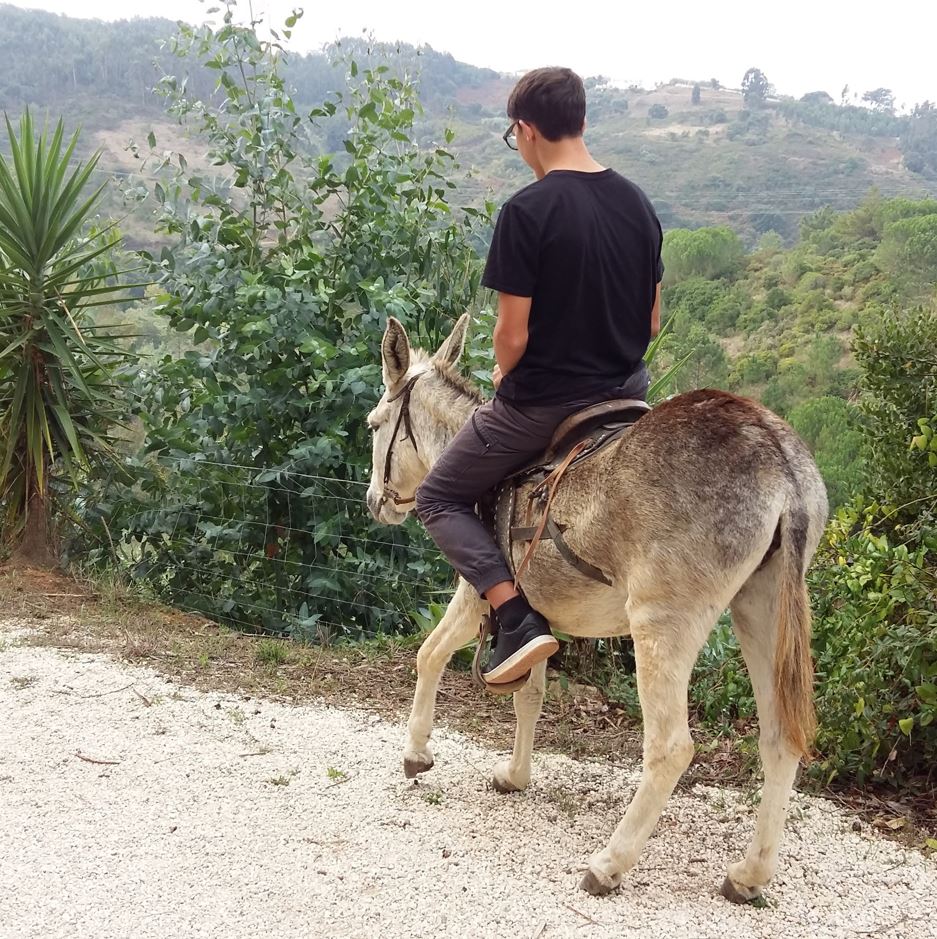
When looking at a donkey, one is tempted to ask why anyone would choose this model – on average noticeably smaller, slower, and somewhat sluggish – when excellent horse breeds were bred for the most varied purposes. Donkeys do, however, have special characteristics that explain their success. First and foremost is their frugality. Donkeys make use of a broader spectrum of forage plants, digest the feed about 30% more efficiently, need only about 60% of the amount, and can go longer without food and water than horses. This makes keeping them far less expensive and is a major advantage, especially in dry regions with sparse vegetation. They also live longer and are less susceptible to disease. Another special plus is their surefootedness. They are not prone to vertigo and manage mountainous and rugged routes that are impassable for horses. In addition, the wear on their hooves is much lower, which was of considerable importance before the use of horseshoes – as the rhetorical question «Do horses run on rocks?» (Am 6:12) also shows. Their striking upright ears, up to 25 cm long, can be turned and tilted individually to listen in a particular direction, and are astonishingly capable. In deserts and steppes, where few obstacles break sound, hardly any background noise exists, and the air is clear and still, donkeys are said to be able to hear one another with their loud «hee-haw» over distances of 60 kilometers (!)
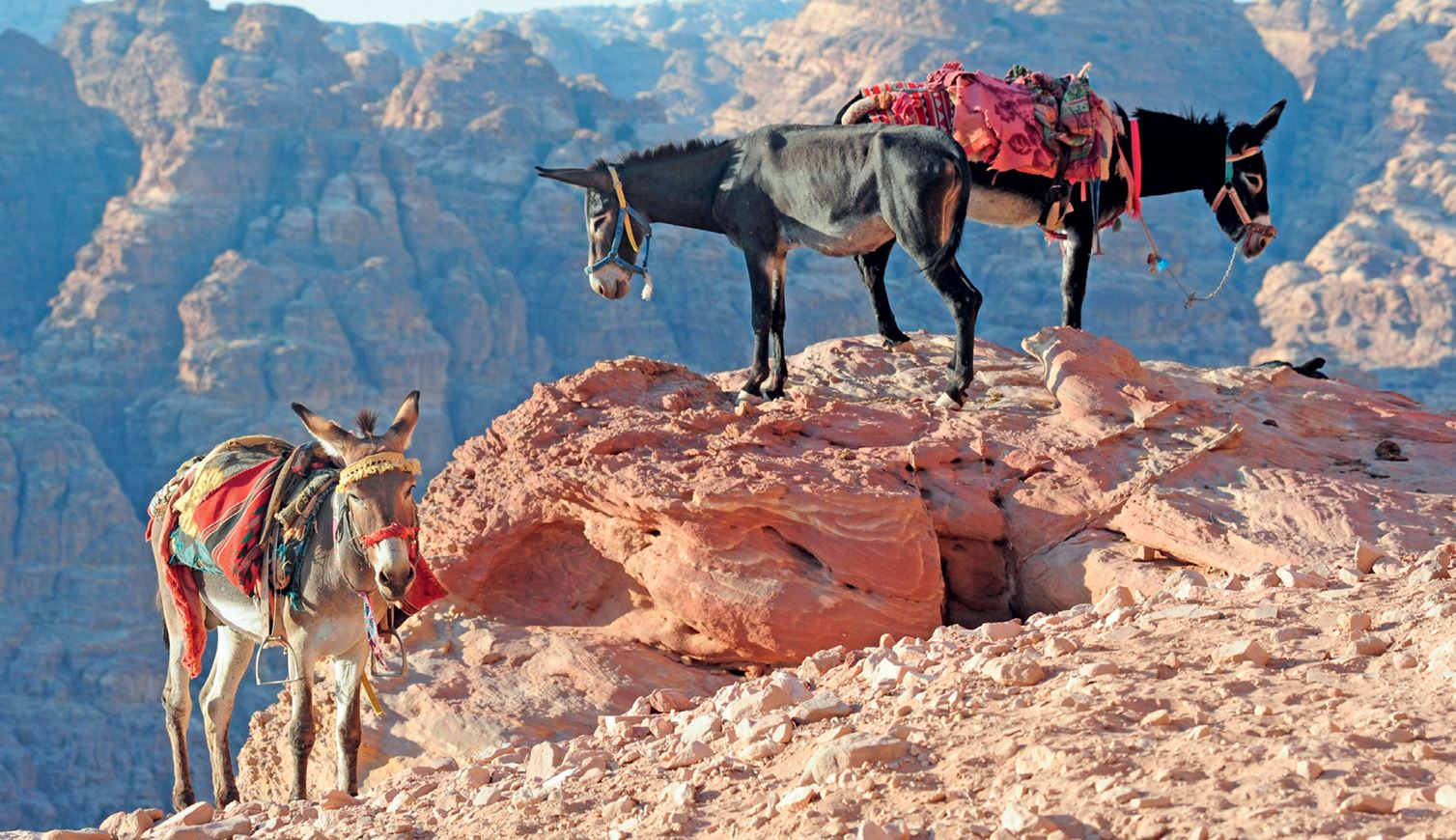
A remarkable difference from horses is their behavior under stress and threat. While horses instinctively seek safety in flight and often bolt off in complete panic, the donkey simply stands still at first and carefully weighs its options. It behaves similarly when overloaded – for example, when one has loaded too much on it or when a path does not appear safe. This trait earned it the reputation of being stubborn – and it prevented it from being used as a mount in battle or as a draft animal for chariots. It is completely unsuited for direct military use. When it suddenly lapses into rigidity and stands rooted to the spot, it can drive its rider or handler to despair. This also explains the behavior of Balaam’s donkey when it perceives a deadly danger that its master does not recognize (Num 22:22–35).
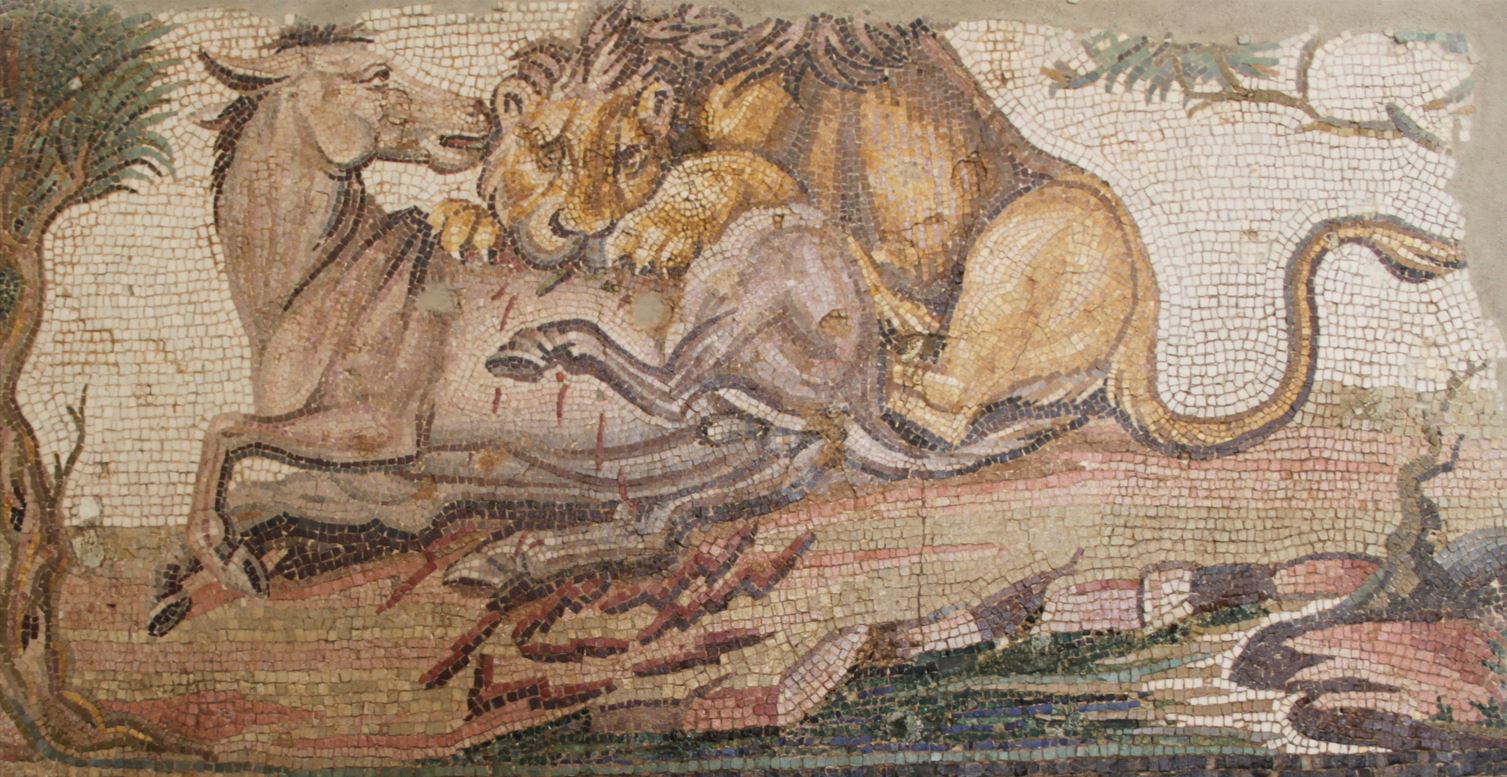
If a donkey is surprised by a predator in open terrain, its steadfastness often saves its life. Most hunters are accustomed to driving a herd ahead of them, pushing slow and weakened animals out of it and killing them after they are exhausted by the chase. A healthy and alert donkey defends itself with hard, well-aimed kicks and fights fiercely for its life. Even solitary hunting lions prefer easier prey. A young and inexperienced lion can indeed eventually bring down a donkey with its far superior «weapons», but it takes a risk. If the donkey lands a direct hit, it can break its jaw or a few ribs – and an injured lion quickly finds itself in a downward spiral.
Even today, people take advantage of the donkey’s defensiveness by placing it with sheep or goats as a guard animal. With an innate aversion it attacks coyotes and wolves aggressively as soon as it scents or spots them. In this way it reliably protects the herd, and the logic is the same: an average wolf pack is certainly capable of killing a single donkey – but they are experienced hunters who know how to assess their risk correctly.
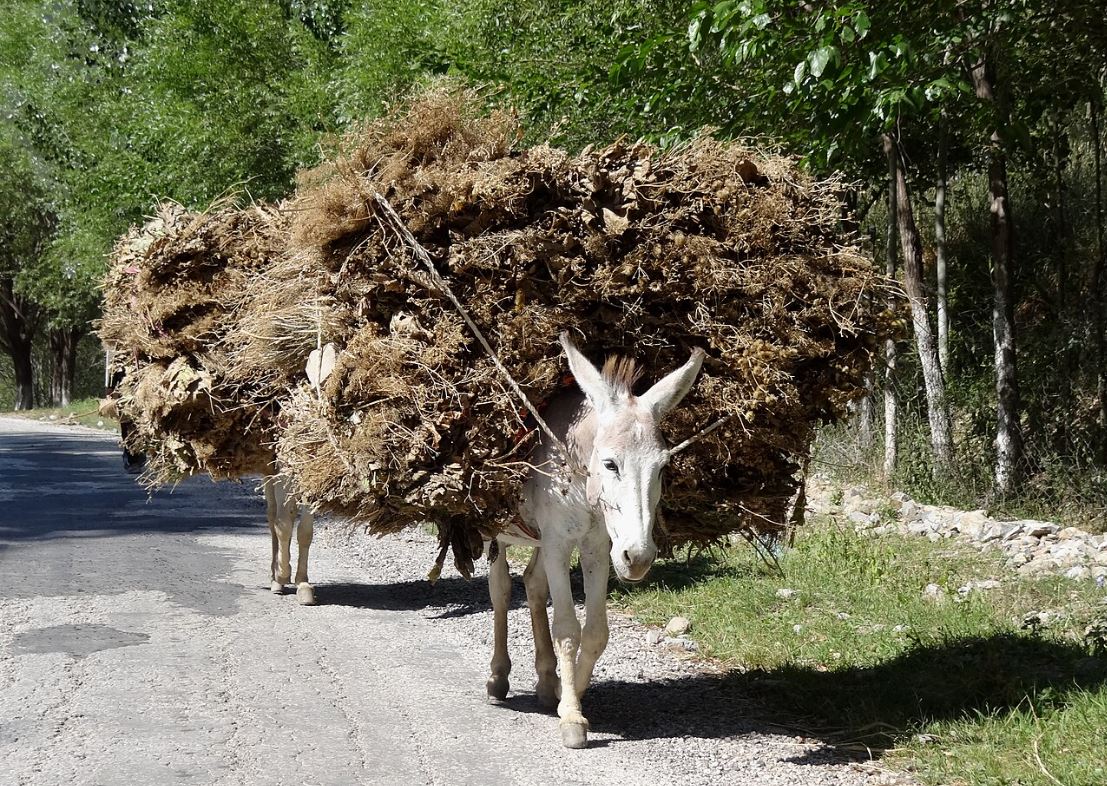
Donkeys handled the overwhelming share of long-distance overland freight transport in antiquity. While in Egypt – where there is only flat lowland – it was uncommon to ride donkeys and they were used only as pack animals, in the mountainous regions of the Near East people were glad to have a mount that rendered reliable service under those conditions as well. They have an easy gait and cover an average of about 40 kilometers a day.
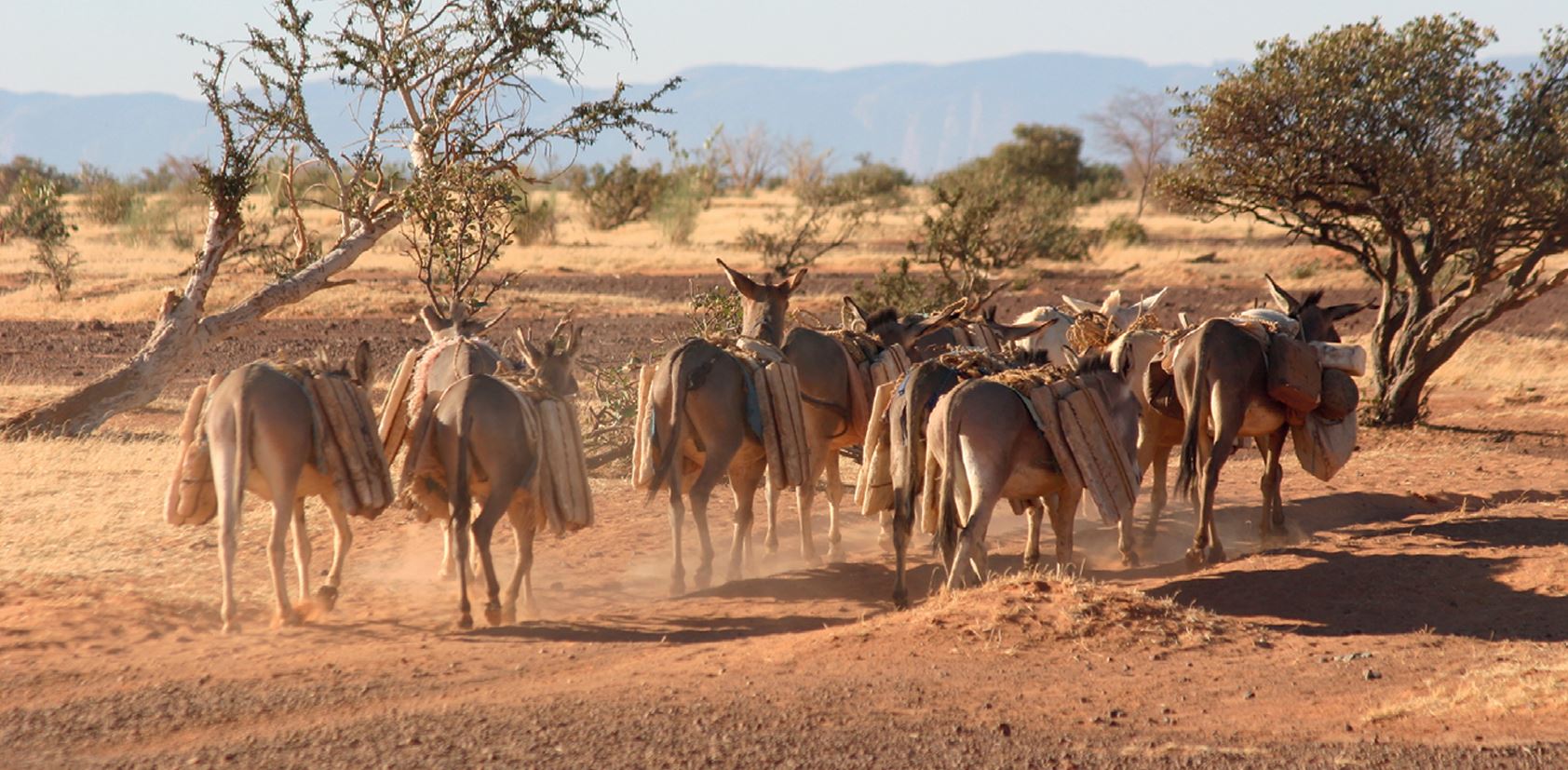
With regard to carrying capacity, the German Animal Welfare Act states that (healthy, normal-weight, trained) donkeys may be loaded with a maximum of 25% of their body weight. That is certainly well intentioned and is accepted because today in Germany there is no longer any necessity to use donkeys as riding or pack animals. Most breeds weigh less than 200 kilograms as adults, which would limit the possible load to <50 kilograms. The Bible also contains regulations to protect donkeys. If one learned that a donkey had strayed, one was to bring it back (Ex23:4), and if it was overloaded and collapsed under its burden, one was to help the owner free it from the load – even if the owner was one’s greatest enemy (Ex 23:5). On the Sabbath and on work-free festivals, the livestock were also to be allowed to rest (Ex 23:12; Deut 5:14).
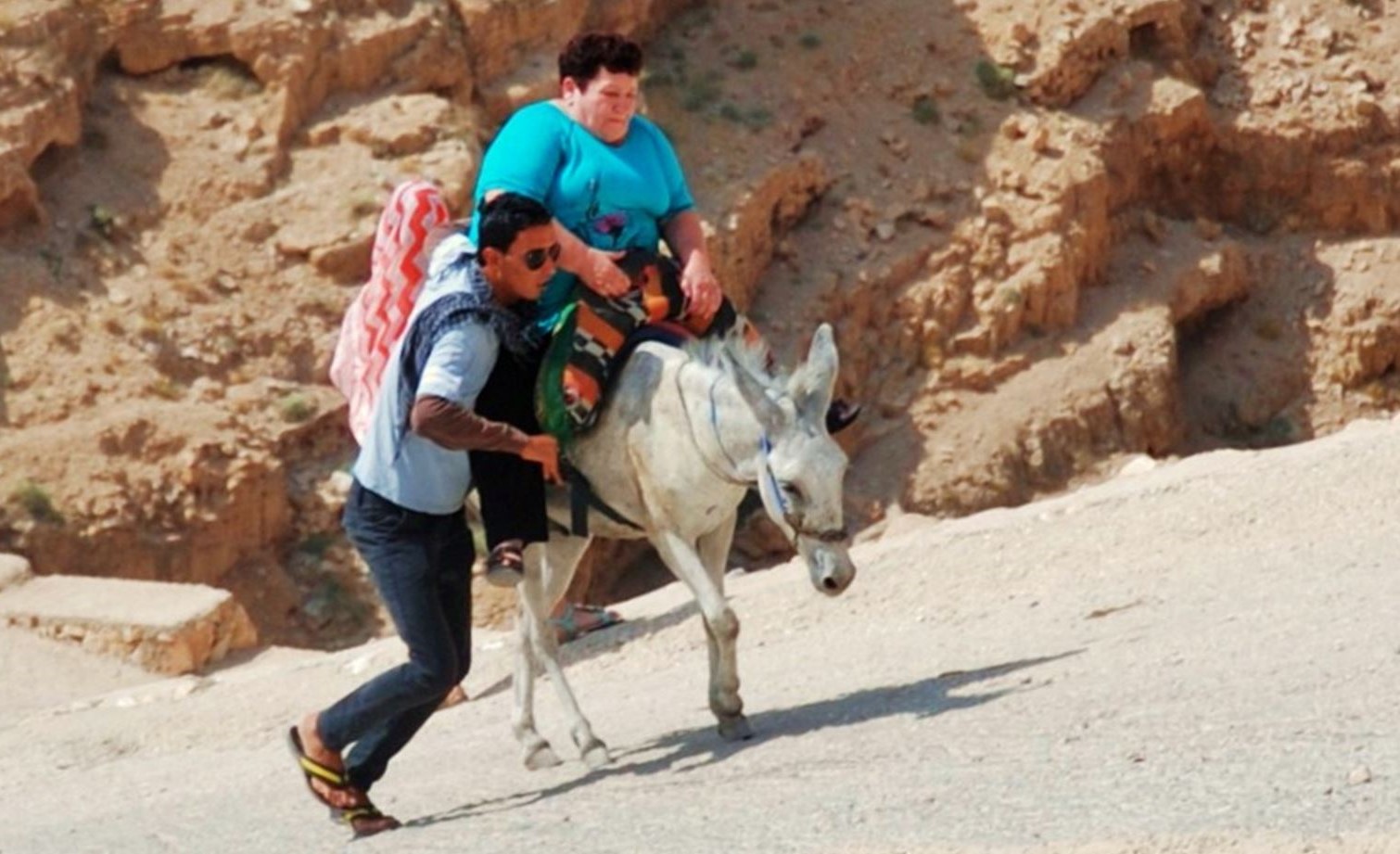
When it comes to bearable loads, however, the Bible is somewhat more realistic. Moses had his wife Zipporah and his two sons ride on the donkey and probably also carried water and provisions in addition (Ex 4:20). Ziba, the servant of Mephibosheth, loaded «two hundred loaves of bread, a hundred raisin cakes, a hundred cakes of summer fruit, and a skin of wine» onto two donkeys (2Sam 16:1) – which shows that a donkey can carry much more. Scientific studies show that it can still manage without difficulty even with a 50% load, and in reality it was probably more – especially at the beginning of a journey. This also becomes clear when one considers that the Greek unit of measure kor (from koros = sack, bundle, load; Lk 16:7) and the Hebrew unit homer (from chamor = donkey; e.g., Ezek 45:11, 13–14) denote a volume of 220 or 390 liters and are defined as a «donkey load». Such an amount of grain would weigh between 120 kilograms (= 220 liters of oats) and 340 kilograms (= 390 liters of wheat) – so people in earlier times definitely expected more from the sturdy grey animals. This high load-bearing capacity fits well with the donkey as a symbol of humility and endurance. The Greek word for that is hypomenō and means something like «to remain under (the burden)».
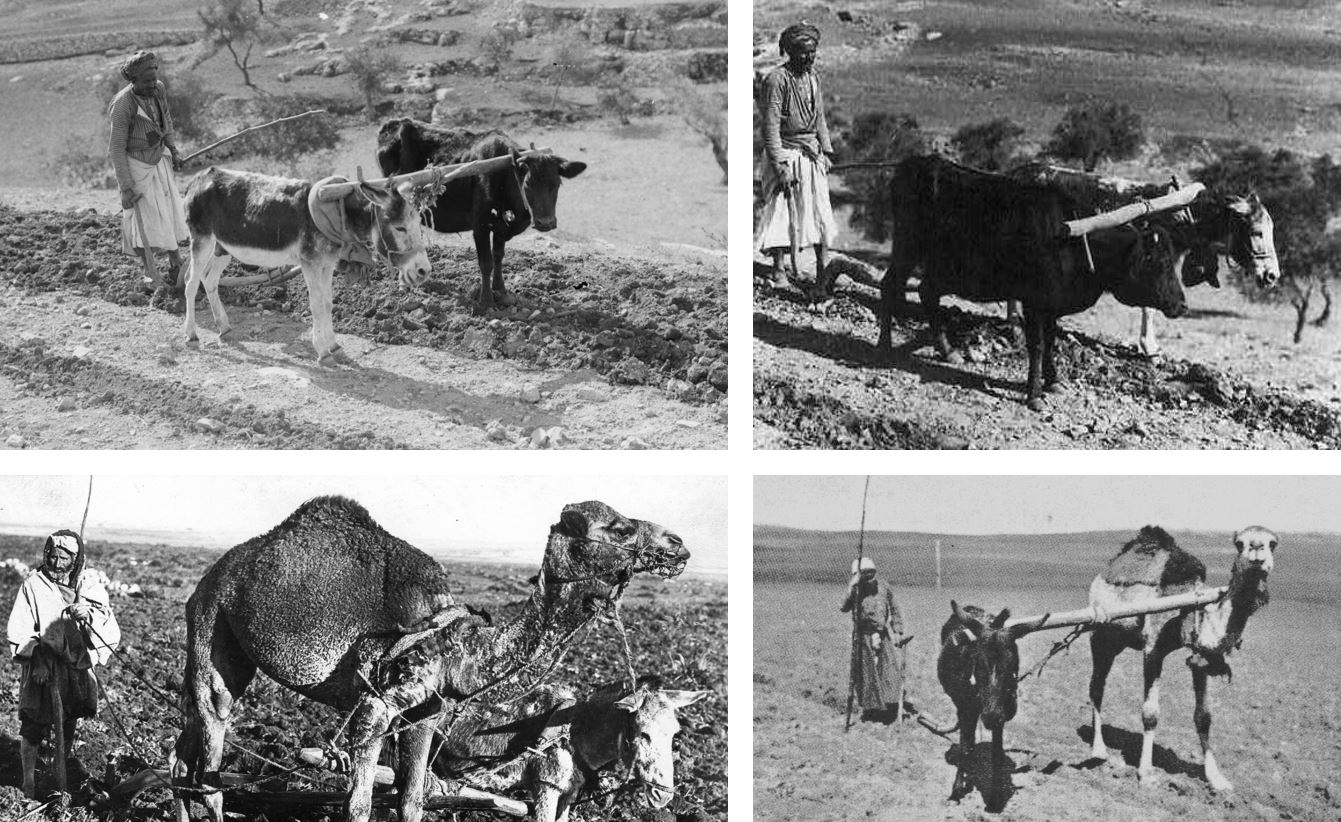
The German Animal Welfare Act likewise stipulates that donkeys may not be kept alone. That, too, was probably often different in antiquity. Although there were wealthy people who owned entire herds of donkeys – like Job with 1,000 female donkeys (Job 42:12) – not everyone had their own donkey. The list of returnees from exile gives us a small insight. These people had attained a certain prosperity under Babylonian and Medo-Persian rule. For the long journey west, a pack animal would surely have been very useful, and yet the traveling company of almost 50,000 people is accompanied by only 6,720 donkeys (Ez 2:64–67; Neh 7:66–68).
Donkey meat is tasty and of good quality. It has a low fat and cholesterol content and a favorable ratio among the various fatty acids. For the Israelites, however, eating it was forbidden because the donkey is among the unclean animals. Only during a severe famine was a donkey’s head traded as food (2Kgs 6:25). In Greek and Roman cuisine, donkey meat was an ingredient in various dishes – and to this day, some recipes for premium salamis remain in use in which it is the main ingredient (although it has meanwhile mostly been replaced by beef and pork).
Since carcasses in Israel were not utilized, they were thrown outside the city wall as refuse, where scavengers set upon them. If a donkey died on the road, it was simply left at the roadside. Samson probably passed such remains when he grabbed a jawbone (half of the lower jaw) and with it struck down a «heap» of Philistines. He expressed his triumph in a little wordplay. That is possible because the word for «heap» and «donkey» sound alike: Shimshon bilchi ha-chamor – ha-chamor ha-moratajim! – Samson, with the donkey’s jawbone, has heaped up a heap (of his enemies) (Judg 15:14–16).
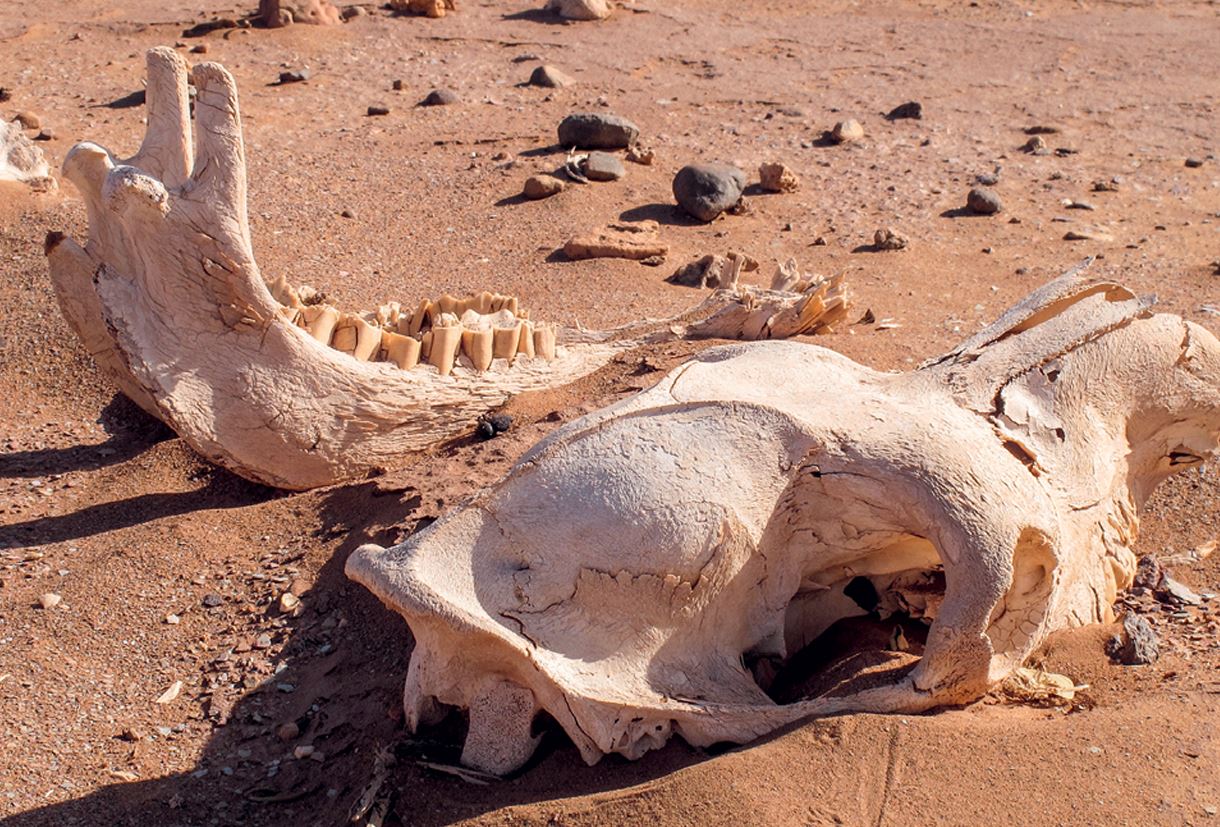
The abandoned carcass in the roadside ditch is mentioned once more in a grim context. As punishment for his contempt for the word of God, King Jehoiakim is told that he will be buried «with the burial of a donkey» (Jer 22:19) – that is, not at all. Instead, he would be «dragged away and thrown out, far beyond the gates of Jerusalem» – «his corpse shall be cast out, exposed to the heat by day and the frost by night!» (Jer 36:30).
With the donkey we are dealing with a domestic animal that is unclean by nature (Lev 11:1–8), yet can submit in willing service and is highly valued. Through these characteristics it becomes a symbol of the human being in need of redemption.
This passage portrays that impressively. You are to «consecrate to the LORD your firstborn sons and offer to him every male animal that is the first to be born from its mother. In place of every firstborn donkey, you shall offer a lamb and thus redeem it. If you do not want to do so, then break the young donkey’s neck! But you must in any case redeem your firstborn sons. When your children one day ask what this custom means, then explain to them …» (Ex 13:12–13). These three verses contain much information: God claims all male firstborn of humans and animals for himself. For the clean animals, the firstborn was to be slaughtered as a sacrifice (cf. Num 18:17). Unclean animals and humans were not allowed to be sacrificed but were to be redeemed (cf. Num 18:15–16). If a donkey could not be redeemed by a lamb, its neck was to be broken (cf. Ex 34:20). This regulation had a didactic purpose: one could use it to explain to one’s children what redemption means. If they wanted to know why the lamb had to die, the father could explain: «There is clean and unclean. The donkey is unclean, just as we human beings are also unclean. God cannot accept the donkey; I would actually have to break its neck and throw it onto the rubbish heap. But if I slaughter and offer the clean lamb in its place, the donkey may live on. It will grow – and when it has become big and strong, it will serve us with its strength.»
Thus this command foreshadows the basic outlines of the gospel. The human being, as the Creator’s property, is unclean because of sin. Therefore he stands under a death sentence that must be carried out – unless he is redeemed by his owner. That is exactly what God did: «He paid for you with the precious blood of Jesus Christ, who, pure and without sin, became the sacrificial Lamb of God» (1Pet 1:18).
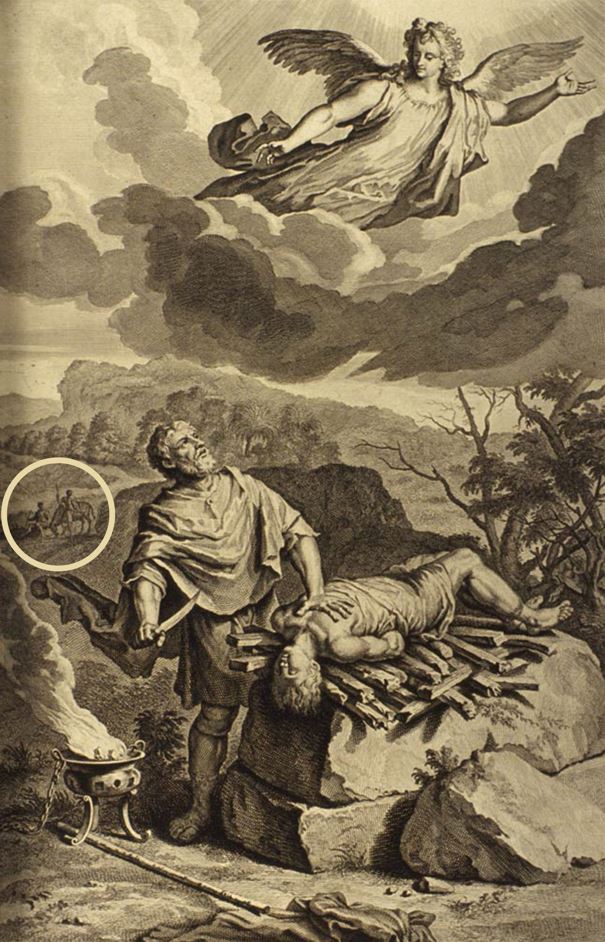
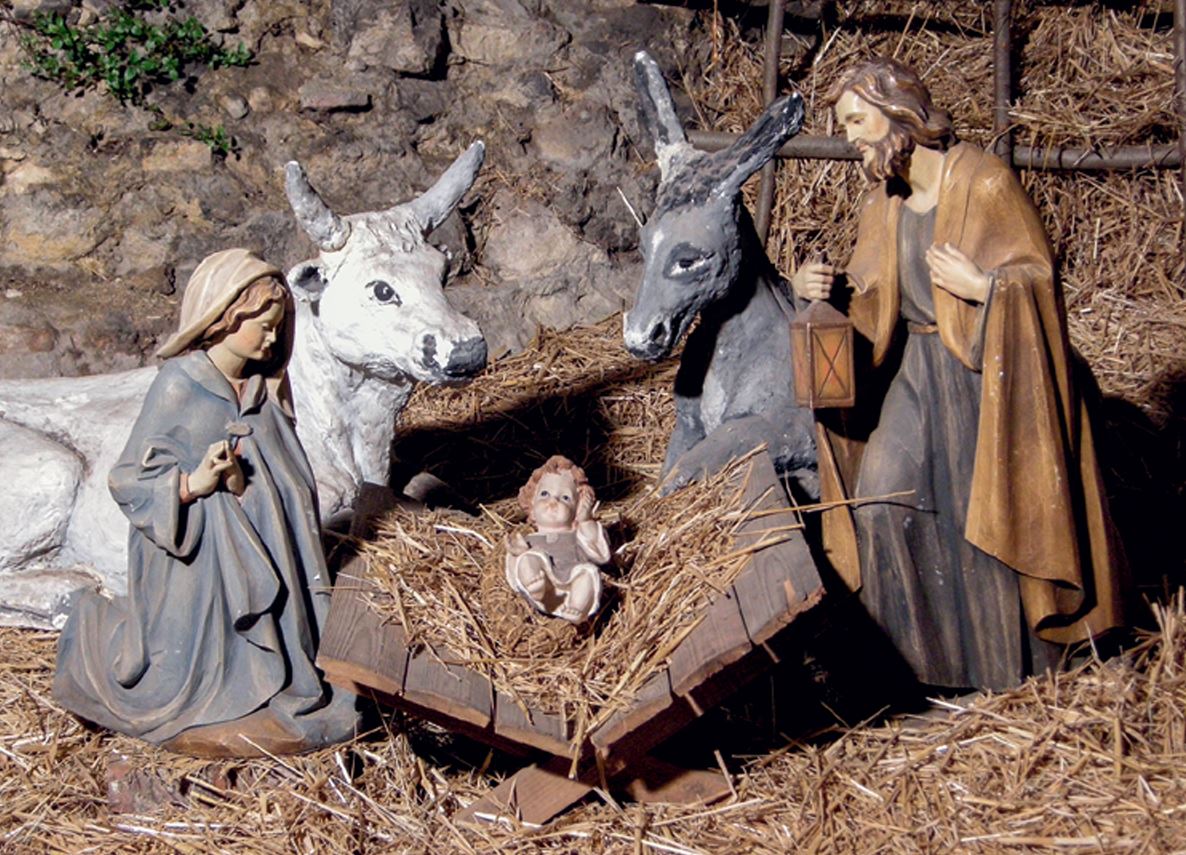
On the path the Lord Jesus walked in order to become the sacrificial Lamb of God, there is at the beginning and at the end a symbolic reference to the donkey. At His birth, only a manger is mentioned (Lk 2:7, 12, 16), into which He was laid. But since next door there was a fully occupied inn for travelers, it is not unlikely that riding and pack animals were kept near the manger. In any case, the keyword «manger» early on prompted a connection with the following verse: «An ox knows its owner, and a donkey the manger of its lord; Israel does not know, my people do not understand» (Isa 1:3).
Since the fourth century, «ox and donkey» have been a fixed part of the «nativity scene», as the pictorial depiction of the Lord’s birth is called. In their interpretation of the Isaiah quotation, the Church Fathers went even further by equating the ox (a clean animal that nevertheless bears the «yoke of the Law») with Israel, which indeed knows its owner but does not notice that He has come to them in this child. They identify the donkey (as an unclean animal that must be redeemed) with the non-Jews (Gentiles, nations), who recognize that this is «the manger of their Lord», submit to Him, and become His followers (Christians).
The donkey has its best-known appearance in the Bible on Palm Sunday, when the Lord Jesus rides into the city of Jerusalem on a donkey’s foal and is publicly proclaimed as Messiah. In doing so He fulfilled the prophecy: «Rejoice greatly, O daughter of Zion; shout, O daughter of Jerusalem! Behold, your king is coming to you; righteous and having salvation is he, humble and mounted on a donkey, on a colt, the foal of a donkey» (Zech 9:9). It is striking that the Lord does not sit on the likely much larger mother donkey, but on her foal – after all, both animals are prepared and presented for selection: «They brought the donkey and the colt, and put their cloaks on them, and he sat on the colt» (Mt 21:7).
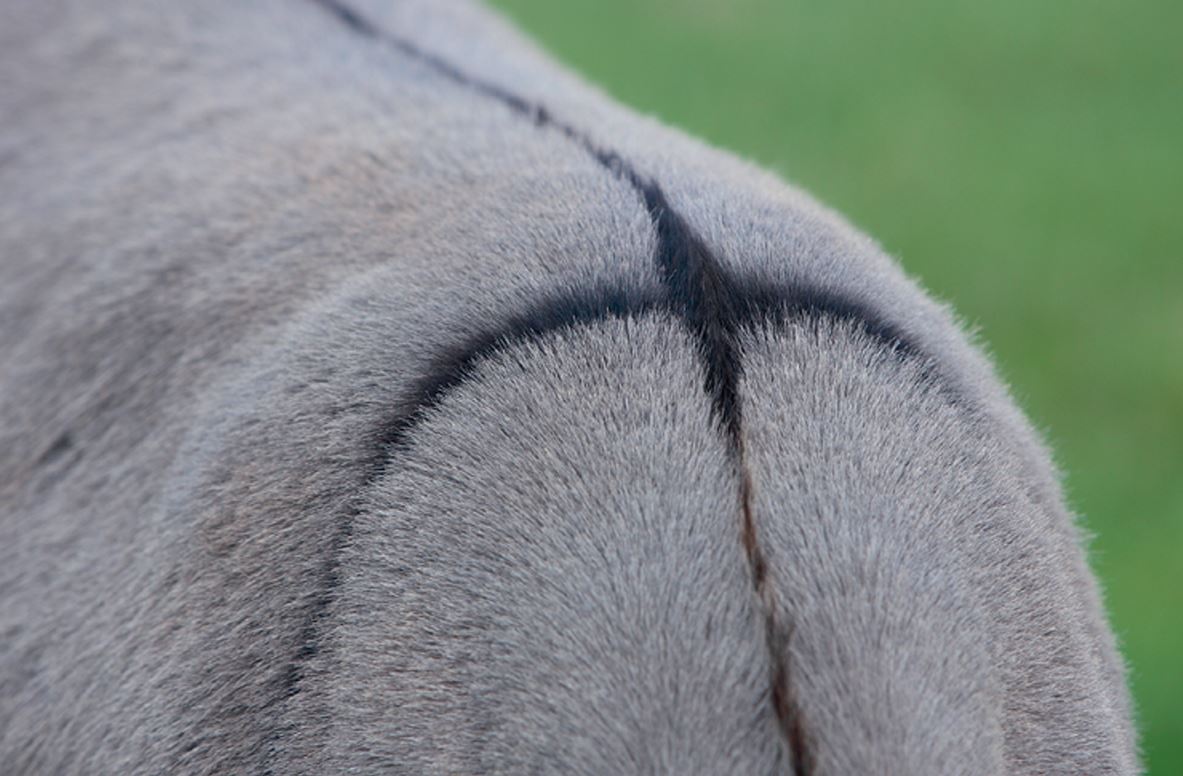
Even more astonishing is that no one had ever sat on this young animal before (Mk 11:2). Normally donkeys have to be «broken in». It is naturally unlikely that an animal that has never carried a rider would immediately submit and trot right through a screaming crowd waving palm branches. Walking over the garments and branches spread on the road by the people is also contrary to its nature. One would expect the colt either to buck wildly and bolt or to «dig in its heels» and refuse altogether. But in the service of the Lord Jesus it carries Him obediently through the city. The whole scene is a miracle.
On that day, moreover, the 69 weeks of years also ended (exactly 173,880 days, as first set forth in the book «The Coming Prince»), after the completion of which the prophet Daniel had announced the appearance of the Messiah (Dan 9:25). The next verse, however, says that after that the Messiah would be cut off, or «exterminated». For Jews who still await the Messiah today, the meaning of this prophecy does not become clear, since it contradicts what they associate with his coming. Only in the New Testament does it become apparent that this statement was fulfilled when the Lord Jesus was crucified a few days later.
The donkey also plays a role in the symbolism. The Lord Jesus did not come as judge, but as Savior (Joh 3:17), to reconcile us to God (Rom 5:10; 2Cor 5:18–20), «making peace by the blood of his cross» (Col 1:20). He entered Jerusalem (= «foundation of peace») and made His intention of peace clear by riding on a donkey. As already mentioned, the donkey is useless for battle. Moreover, men riding (small!) donkeys are not a particularly dignified sight, although the riding itself already implies a certain claim (cf. Judg 5:10; 10:4; 12:14). In this way the Lord Jesus also expresses His humility. He did not come to rule or «to be served, but to serve and to give his life as a ransom for many» (Mk 10:45).
Just as lamb and donkey were described as being in a special relationship in the Mosaic Law (Ex 13:13), here too the donkey’s foal can be compared with the Lord Jesus, the Lamb of God:
- While donkeys are by nature stubborn and self-willed (Ps 32:9), He was obedient «to the point of death, even death on a cross» (Phil 2:8).
- While the little donkey had never carried anything (Mk 11:2; Lk 19:30), the «carpenter’s son» (Mt 13:55), who was also himself a carpenter (Mk 6:3), as a building tradesman had probably carried wooden beams since His youth – and would soon do so one last time.
- While the colt was set free and untied (Mt 21:2; Mk 11:4; Lk 19:33), He would soon be seized and bound (Mt 27:2; Mk 15:1; Joh 18:12).
- While the donkey was thoughtfully draped and covered with outer garments (Mt 21:7; Mk 11:7; Lk 19:35), He would soon be stripped and exposed (Mt 27:28).
- While the donkey was allowed to live on, He would die as the Lamb.
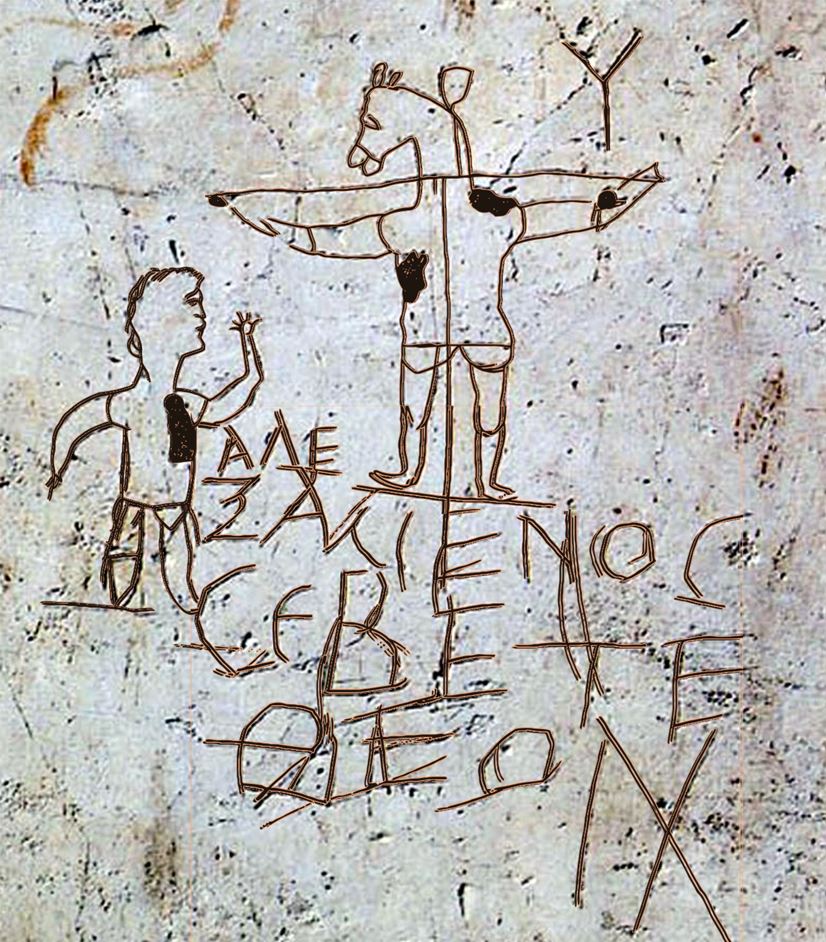
The mocking inscription on the Alexamenos Graffito reads «Alexamenos worships his god». Unintentionally, the unknown scribbler even expresses a profound truth by this, for God became man and for us actually allowed Himself to be «made into a donkey» on the cross. Even today, to many people «the word of the cross» is folly (1Cor 1:18) and donkeyishness. But to the believer it is «the power of God».
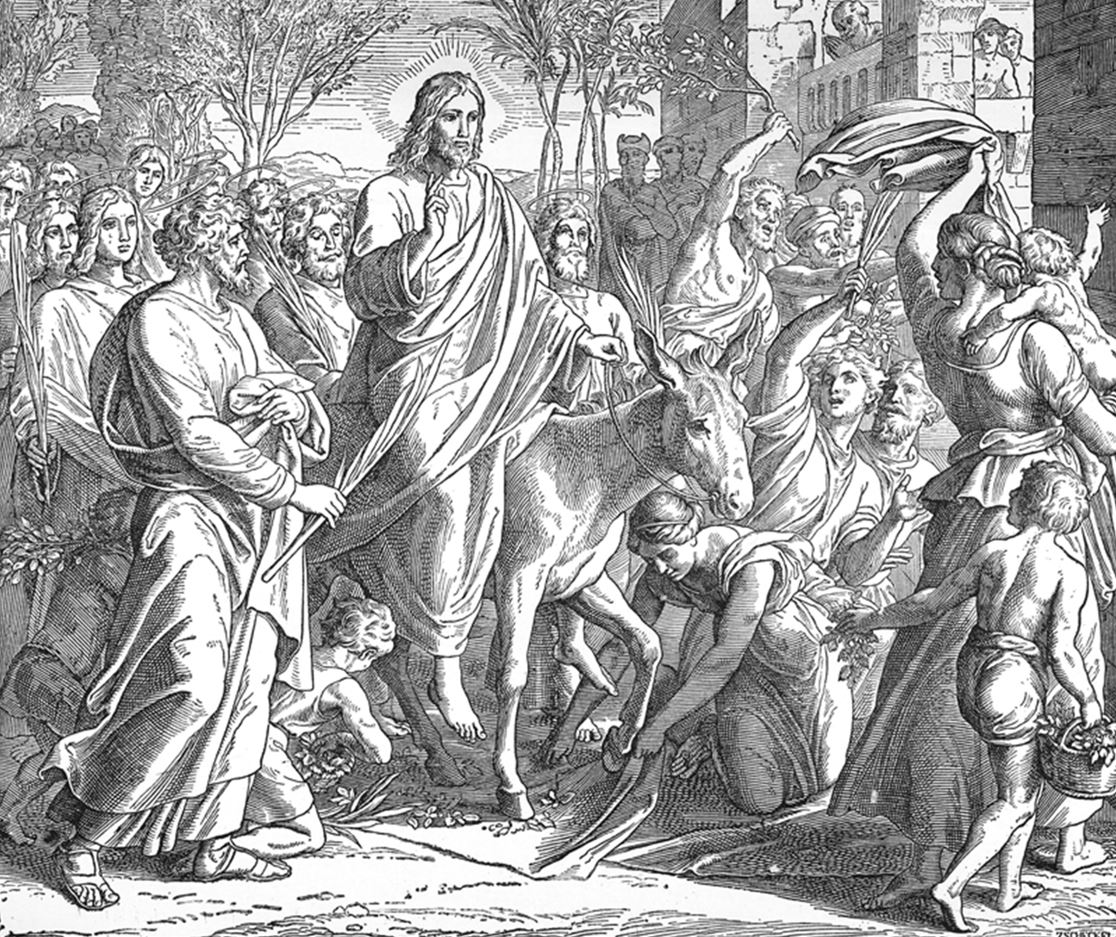
That the Messiah, as Holy and Pure, makes use of the unclean donkey to ride on has long been a subject of discussion among Jewish commentators. The Israeli author Seffi Rachlewski caused quite a stir when, in his book «The Messiah’s Donkey», he set out how this scene is applied by Orthodox Jews to the present situation. Rabbi Abraham Kook (1865–1935) already saw in it a symbol of the Zionist movement: secular Jews who neither lived according to the commandments and traditions of Judaism nor believed in the God of Israel or hoped for the Messiah were indeed godless sinners, yet, regardless of their own intentions, they were doing good work because they were paving the way for the Messiah. They were thus – without knowing it – necessary instruments in God’s plan of salvation, even though the coming redemption did not apply to them at all – so to speak «hardworking and useful idiots». According to Rachlewski, Orthodox Jews also transfer this view to the modern State of Israel. They allow themselves to be supported and protected by it but make no contribution of their own and basically reject it. They tolerate the state system merely as a necessary evil – a provisional arrangement that provides assistance for the transitional period – until the Messiah comes and replaces it with something new.
From the perspective of biblical prophecy, this expectation is justified – except that Jesus will then come as the judging Messiah. As far as dealing with one another is concerned, however, a man like Paul is the best New Testament model for encounters with unbelieving Jewish people. Instead of despising them, he felt «great sorrow» and «unceasing anguish» and had such deep love for them that, if it had been possible, he would have sacrificed himself for them (Rom 9:1–3). Fortunately, there are today an increasing number of «Messianic Jews» in Israel. Many of them, like Paul, grew up in Judaism, but then recognized the Lord Jesus as Messiah and now proclaim Him among their fellow countrymen.
Sources:
Anderson, R: The Coming Prince. Grand Rapids, Michigan, USA (Kregel) 1957
Becker, F: Das Spott-Crucifix der römischen Kaiserpaläste. Breslau (Max Mälzer) 1866
Bennett, EA; Weber, J; Bendhafer, W: The genetic identity of the earliest human-made hybrid animals, the kungas of Syro-Mesopotamia. Science Advances 2022; 8:eabm0218; doi: 10.1126/sciadv.abm0218
Bough, J: Donkey. London, GB (Reaktion books) 2012
Broder, HM: Vor der Ankunft des Messias. Der Spiegel, 03.01.1999; https://www.spiegel.de/politik/vor-der-ankunft-des-messias-a-77b07e50-0002-0001-0000-000008590785
Camillo, F; Rota, A; Biagini, L: The current situation and trend of donkey industry in Europe. Journal of Equine Veterinary Science 2018; 65:44-49; doi: 10.1016/j.jevs.2017.11.008
Clutton-Brock, J: Horse power: a history of the horse and the donkey in human societies. Natural History Museum Publications, 1992
Fett, A: Der Ritt in den Tod. Bibelandacht zum Einzug Jesu in Jerusalem, made available on 07.10.2022
Niedersächsisches Ministerium für Ernährung, Landwirtschaft und Verbraucherschutz: Empfehlungen zur Haltung von Eseln. 2019; aufgerufen am 19.05.2023; https://www.mlv.nrw.de/wp-content/uploads/2022/12/Empfehlungen-zur-Haltung-von-Eseln.pdf
Ninck, C: Auf biblischen Pfaden (quotation from a travel account, on plowing, p. 401). Hamburg (Verlag der Expedition des „Deutschen Kinderfreundes“) 1884
Pal, Y; Gupta, AK; Kumar, S: Physical and physiological changes in donkeys during pack load. Indian Journal of Animal Sciences 2012; 82(10):1230-1232; https://krishi.icar.gov.in/jspui/handle/123456789/4614
Polidori, P; Vincenzetti, S: Quality and Nutritional Characteristics of Donkey Meat. ch. 6, pp. 155-176 in: Meat and Meat Processing. New York, USA (Nova Science) 2017. ISBN: 978-1-53612-210-7; https://core.ac.uk/download/pdf/84497579.pdf
Rachlewski, S: Der Esel des Messias. Tel-Aviv, ISR (Jedi’ot Acharonot, Hamad Books) 1998
Ricker, J: Woher kommen Ochse und Esel? Monumente 6; 2015; p. 53
Schmidt, J: Wieviel wiegt ihr Esel? aufgerufen am 24.04.2023; https://www.eselworkshop.com/beratung-service/esel-wiegen
Weiß, RP: Eselreit-Verbot für übergewichtige Touristen. Stern, 11.10.2018; https://www.stern.de/neon/wilde-welt/politik/griechenland–eselreit-verbot-fuer-uebergewichtige-touristen-8397430.html
Wernig, C: Das Psychogramm der Krippentiere. RP-Online, 26.12.2015; https://rp-online.de/nrw/staedte/dormagen/das-psychogramm-der-krippentiere_aid-17596163
Image Credits:
Wikipedia: mosaic – donkey being torn apart by a lion / sailko // donkey with heavy tourist / arie tennbaum // plowing with ox and donkey / aunknown // plowing with ox and donkey / Matson Collection // plowing with camel and donkey / Balassa Péter // plowing with camel and donkey / Hauran // Abraham offers Isaac – donkey and servants / P. de Hondt // satirical drawing with crucified donkey / Mpolo // painting – Jesus’ entry into Jerusalem / Julius Schnorr von Carolsfeld // donkey heavily loaded / Adam Jones // two trotting donkeys / Aditya Gurav // donkey relief from a Saqqara tomb / Prof. Mortel
other licenses: cover – donkey standing in the sun / Shutterstock ID_1784401565 / Melnikov Dmitriy // donkey in rugged terrain // Shutterstock ID_1598706946 / DELBO ANDREA // donkey caravan with salt slabs / Shutterstock ID_115579186 / James Michael Dorsey // donkey bones at the roadside / Shutterstock ID_788391709 / Sarnia // nativity scene with ox and donkey / Shutterstock ID_1539375545 / Steven Irons // donkey with cross marking on its back / Shutterstock ID_2306622585 / Sabine Hagedorn